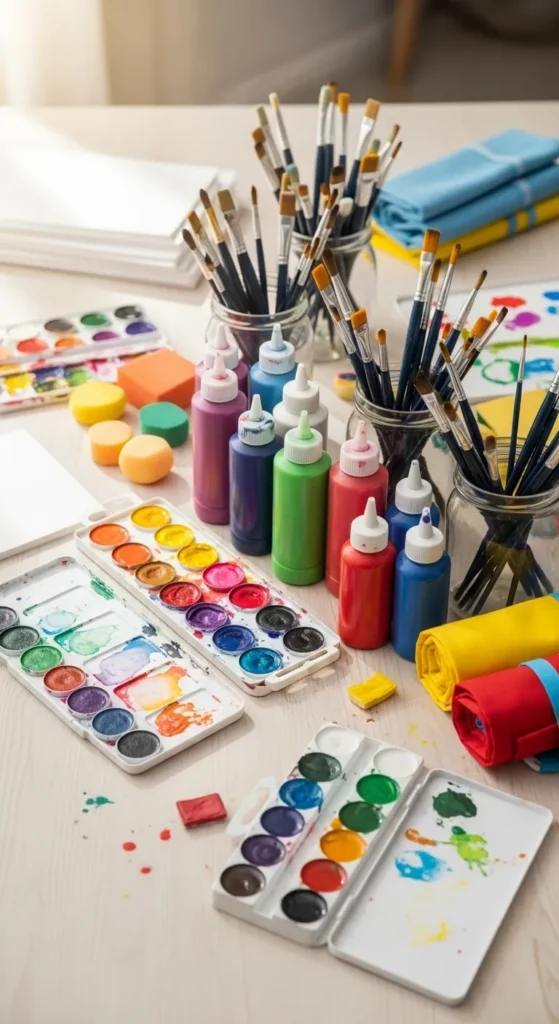
Kids love paint kits because they turn ordinary afternoons into hands-on creative time. Parents love them because paint kits keep supplies organized and make setup simple. This list focuses on paint kit ideas that are easy to put together, affordable, and fun for a wide range of ages. Each idea shows how to build a kit using common items, simple storage, and kid-friendly tools. Whether you are planning rainy day activities, birthday gifts, or art corners at home, these paint kits help kids explore color, texture, and imagination without stress.
1. Washable Paint Starter Kit
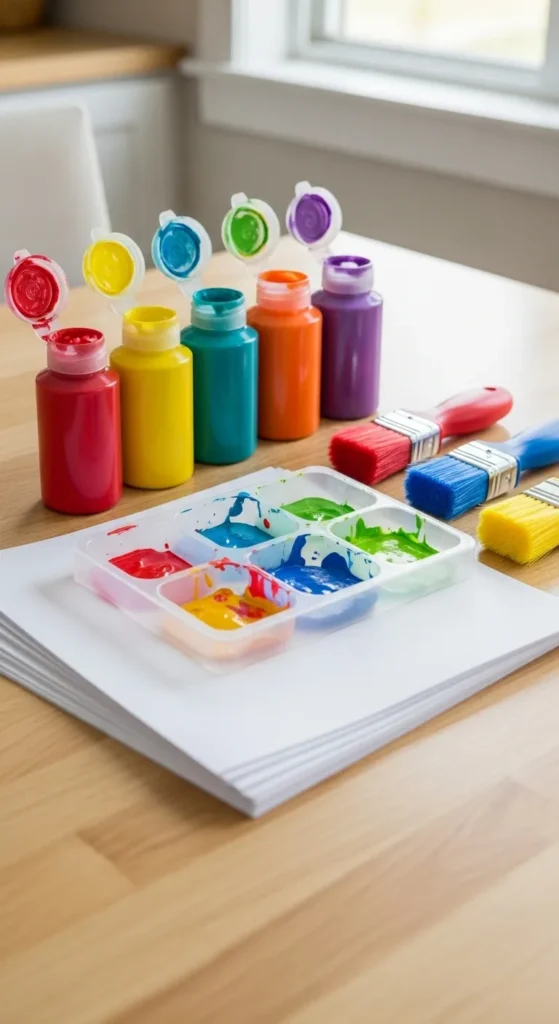
This kit works well for younger kids who love color but still make messes. Use washable paints in squeeze bottles. Add thick brushes that are easy to grip. Include a plastic tray or old baking sheet to keep spills contained. Paper plates can work as paint palettes. For budget savings, buy paint in multipacks and split them into several kits. Add a simple apron or an old shirt to protect clothes. This setup is quick to clean and easy to reuse. Kids can paint freely without worry, which helps them relax and enjoy the process. Keep the kit stored in a clear bin so kids can see the colors and ask to use it again.
2. Watercolor Exploration Kit
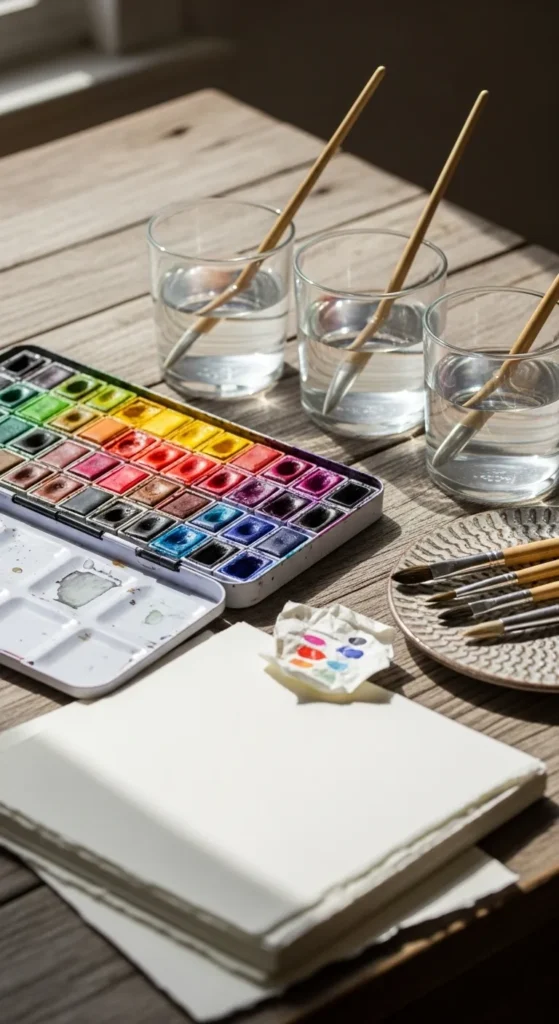
Watercolor kits feel calm and inviting. Start with a basic watercolor pan set. Add two small cups for water and a set of soft brushes. Watercolor paper makes a difference and can be bought in pads. This kit works well for quiet afternoons or school-age kids. For savings, cut larger sheets into smaller pieces. Kids can test color mixing and brush pressure. Store everything in a zip pouch or pencil case. This kit encourages slow, focused painting and gentle color play.
3. Finger Paint Fun Kit
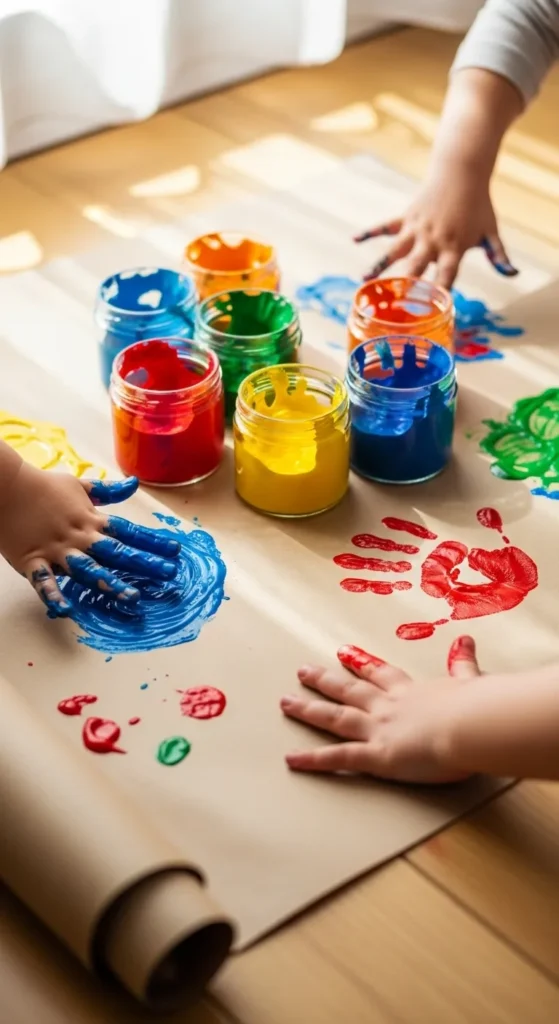
Finger paint kits are perfect for sensory play. Use non-toxic finger paints in primary colors. Add a roll of kraft paper or freezer paper taped to the floor or table. Include wipes and paper towels in the kit. Budget-friendly paints come in large tubs that last many sessions. Kids enjoy the direct contact with paint, which builds confidence and curiosity. Keep clothes simple and let kids explore freely. Store paints in sealed containers to keep them usable.
4. Sponge Painting Kit
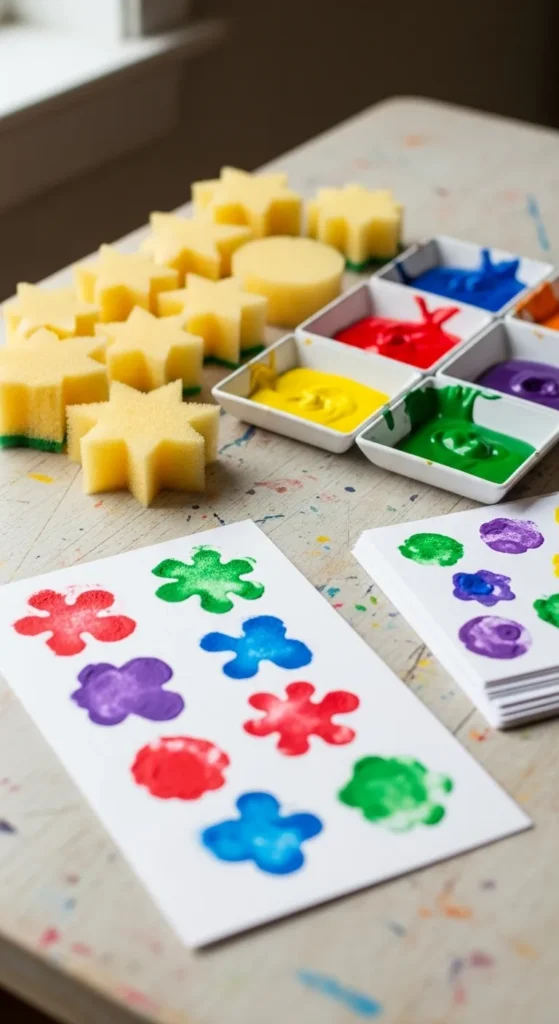
Sponge painting adds texture without complex tools. Cut kitchen sponges into shapes like circles or stars. Pair them with shallow trays of paint. Use cardstock or recycled cardboard. This kit is low-cost and easy to reset. Kids enjoy stamping patterns and layering colors. Store sponges in a mesh bag so they dry properly. This idea works well for group play or party activities.
5. Q-Tip Dot Art Kit
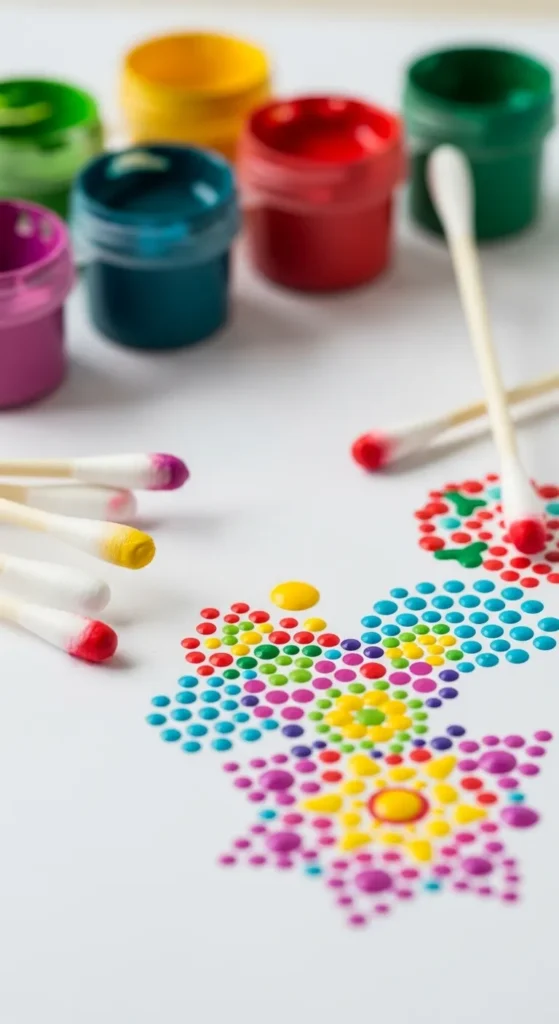
This kit focuses on fine motor skills. Include cotton swabs, small cups of paint, and thick paper. Kids dip and dot to make patterns, letters, or pictures. It uses very little paint, which helps stretch supplies. This setup is easy to store and quick to clean. It also works well for themed activities like animals or shapes.
6. Nature Paint Kit
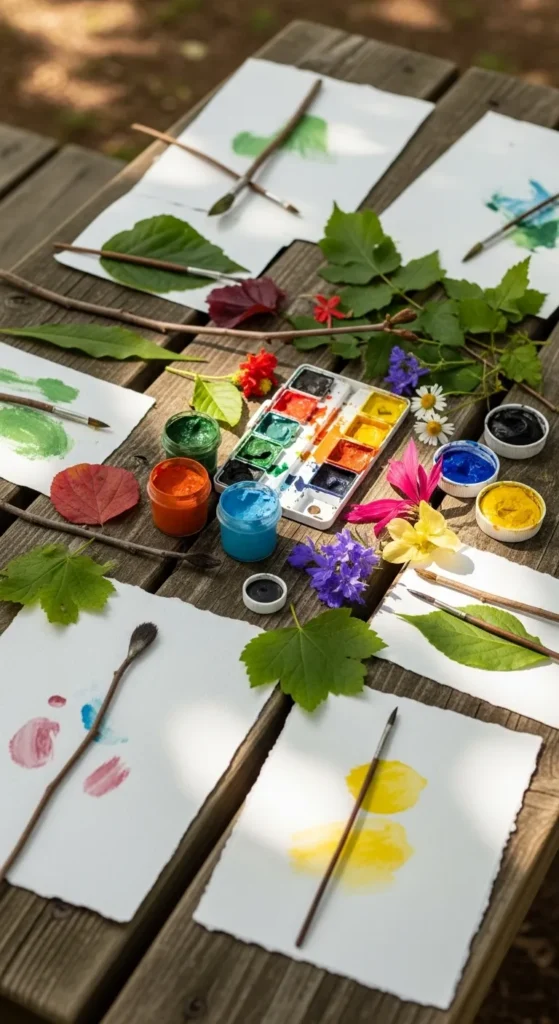
Nature paint kits mix art with outdoor time. Gather leaves, pinecones, or sticks. Add washable paint and paper. Kids use natural items as brushes or stamps. This kit costs almost nothing and encourages exploration. Keep it in a tote for backyard use. Clean tools outside with a hose for easy cleanup.
7. Rock Painting Kit
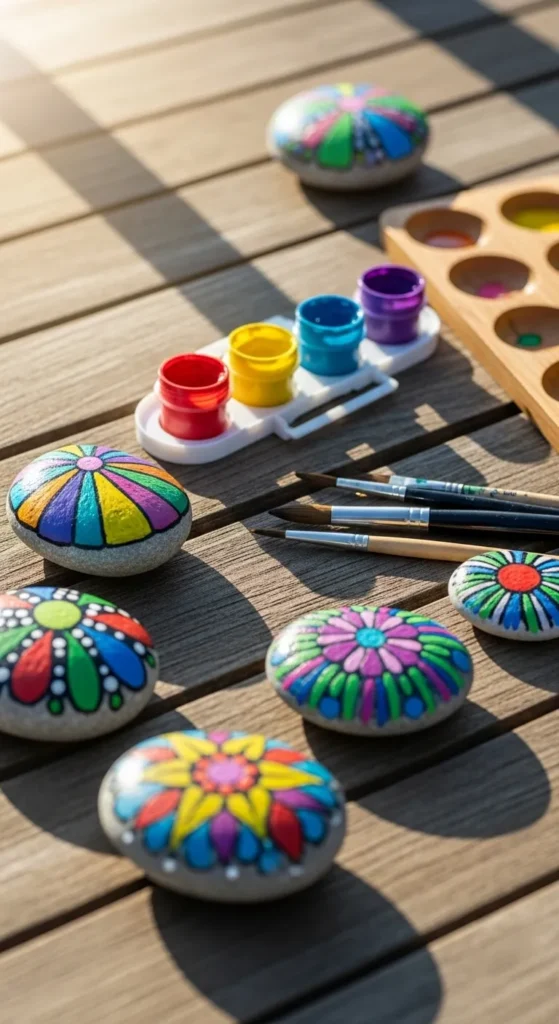
Rock painting kits are simple and satisfying. Collect smooth stones or buy them in bulk. Add acrylic or washable paint and thin brushes. Kids enjoy painting animals, patterns, or symbols. Seal rocks later if desired. This kit works well for gifts or outdoor displays. Store rocks in a small bin once dry.
8. Recycled Cardboard Paint Kit
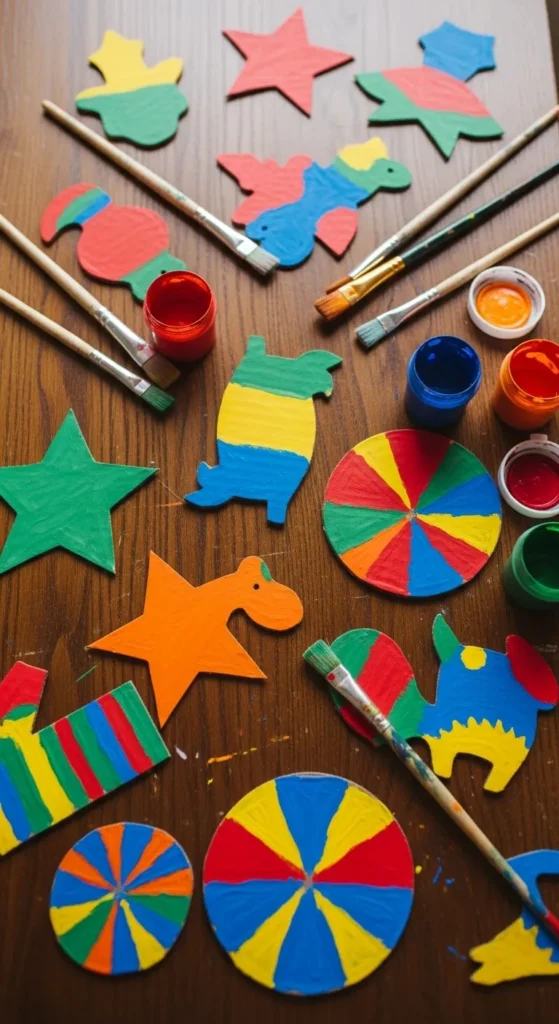
Use boxes, tubes, and packaging as painting surfaces. Add paint and brushes. Kids enjoy painting unusual shapes. This kit teaches reuse while keeping costs low. Cut cardboard into fun forms before adding to the kit. Store flat pieces in a folder or bin.
9. Paint-by-Shape Kit
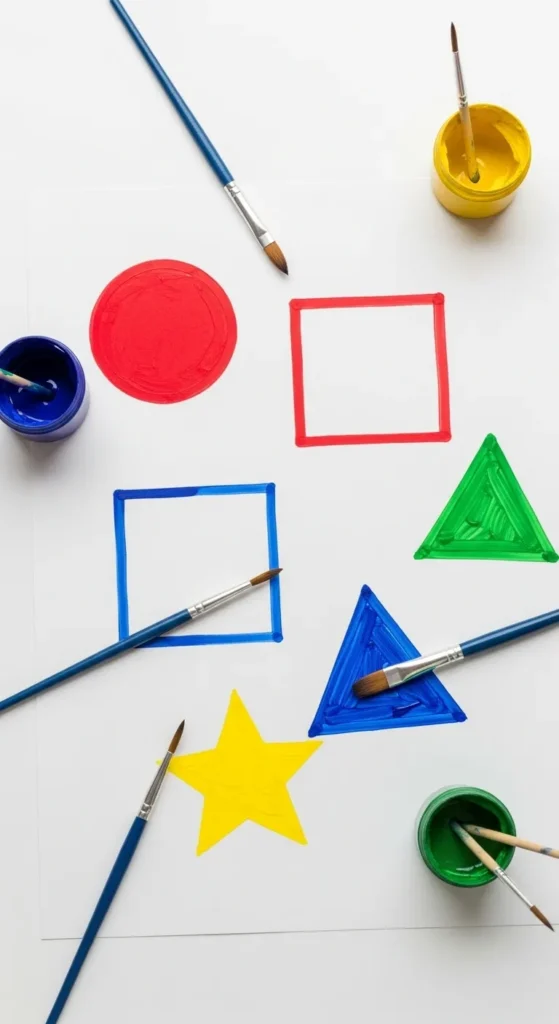
Create outlines of shapes or animals on paper. Add paint and small brushes. Kids fill each area with color. This helps with focus and color control. Print outlines at home to save money. Keep everything in a folder for easy reuse.
10. Texture Tool Paint Kit
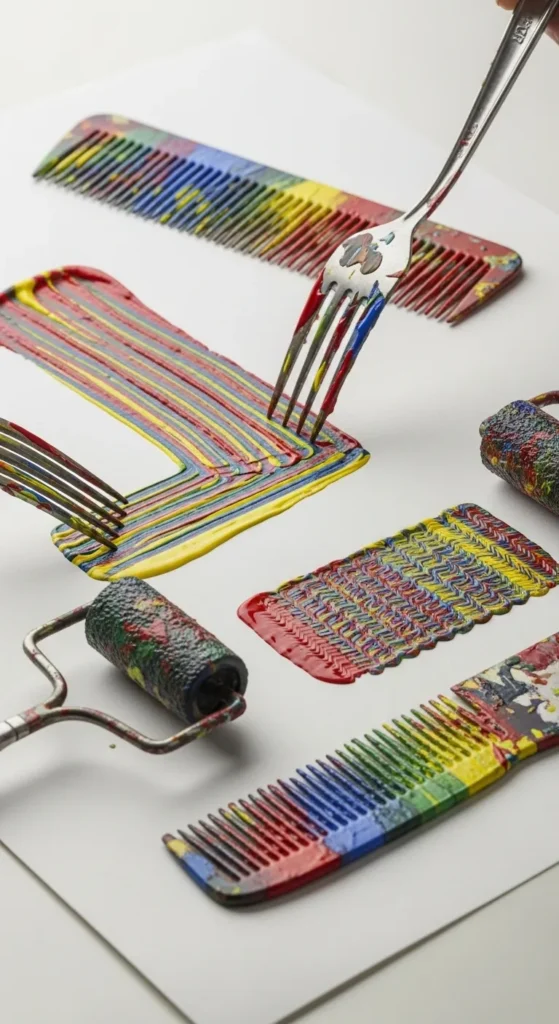
This kit explores patterns. Add forks, combs, bubble wrap, or rollers. Kids drag tools through paint to create lines. It uses common household items and sparks curiosity. Store tools in a small container labeled for art use.
11. Large Brush Paint Kit
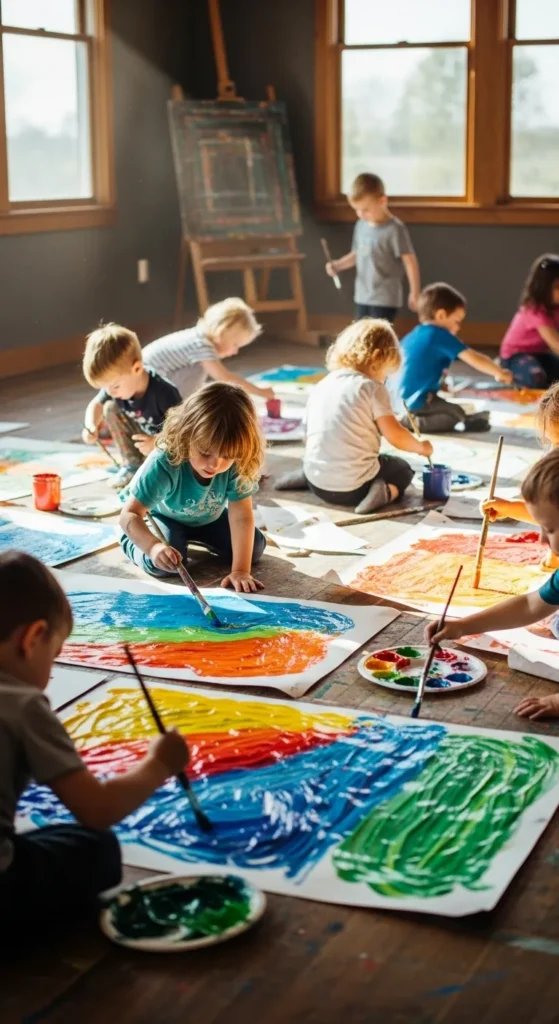
Large brushes change how kids move and paint. Add poster paper or rolls of paper. Use wide brushes and trays. This kit supports big arm movements and energetic play. Buy brushes in value packs to save money.
12. Mini Canvas Paint Kit
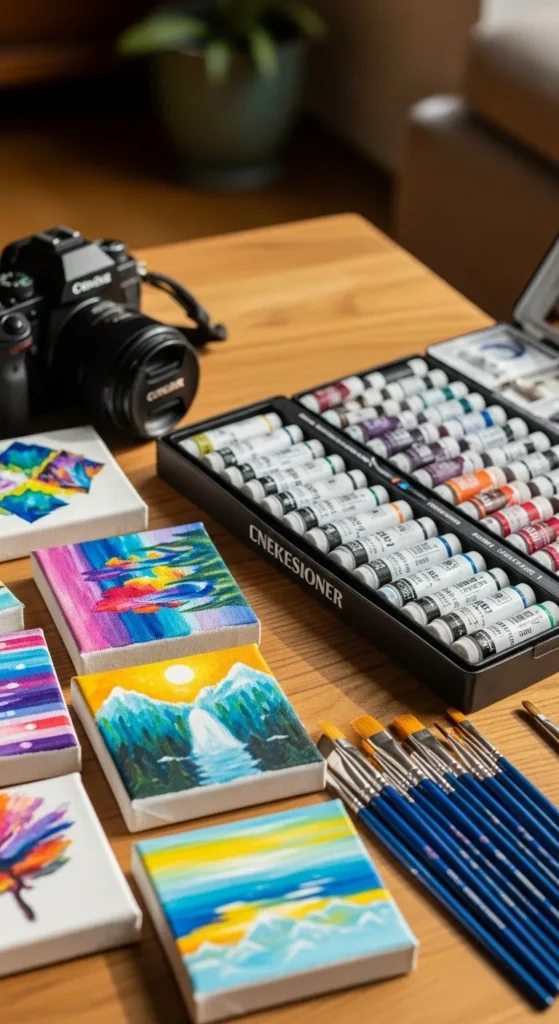
Mini canvases feel special. Add a few canvases, paint, and brushes. Kids enjoy creating art that feels display-ready. Canvases often come in multipacks, which helps with cost. Store finished pieces on a shelf to show pride.
13. Paint and Sticker Kit
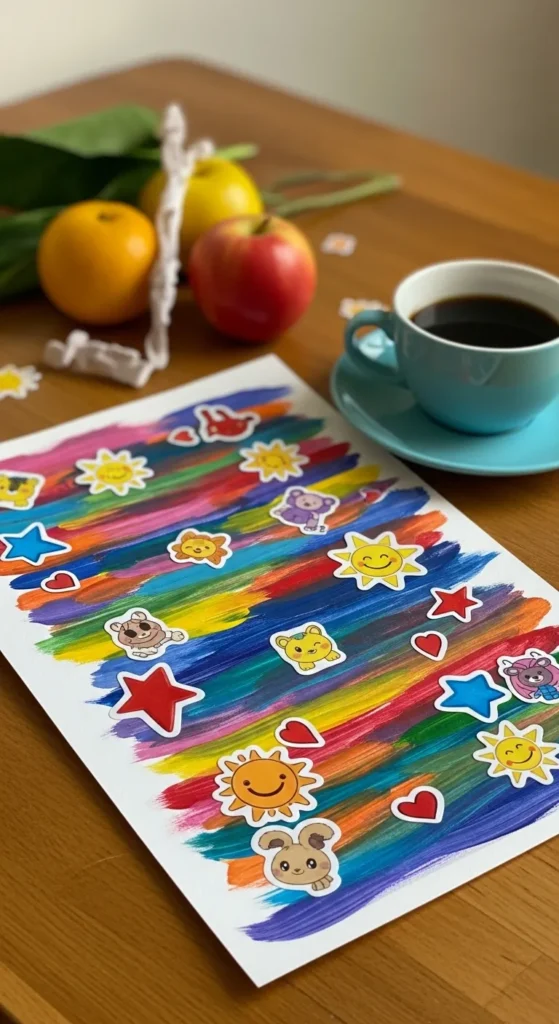
Combine painting with stickers. Add washable paint and themed sticker sheets. Kids paint backgrounds, then decorate. This adds layers to artwork. Sticker packs are affordable and last many sessions.
14. Color Mixing Paint Kit
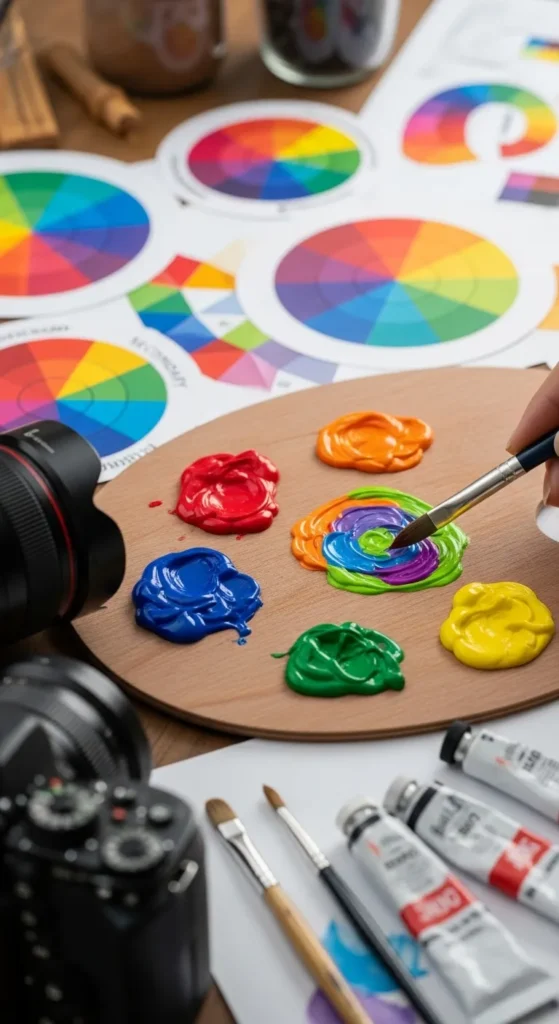
Focus on mixing colors. Include red, blue, and yellow paint only. Add palettes and paper. Kids learn how colors change. This kit uses fewer supplies and builds understanding through play.
15. Paint Rollers Kit
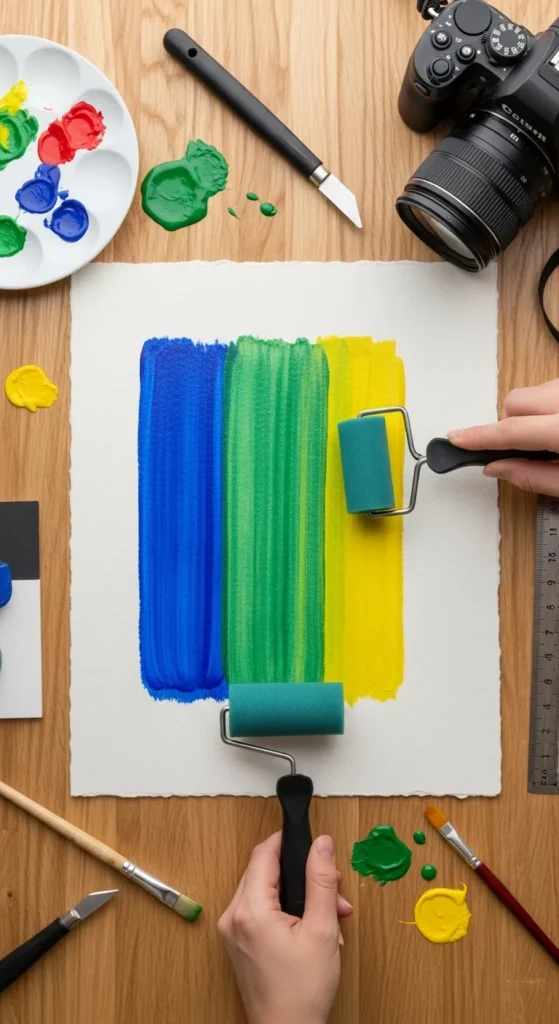
Mini rollers add variety. Add foam rollers and trays. Kids cover large areas quickly. This kit feels different from brush painting and keeps interest high. Rollers are reusable and easy to rinse.
16. Glow Paint Kit
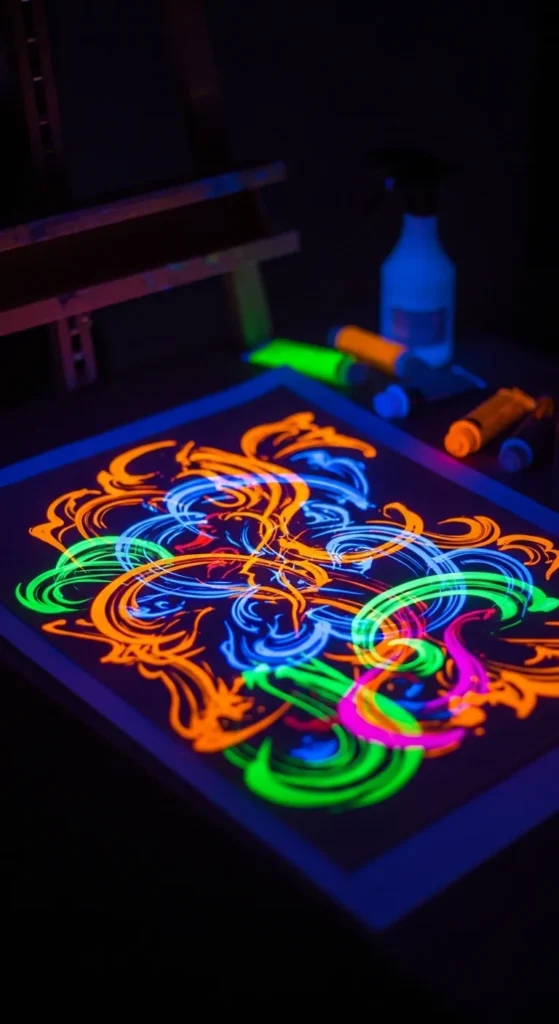
Glow paint adds excitement. Use glow paint with dark paper. Paint during the day, then view later in low light. This kit feels special without extra tools. Keep glow paint sealed to extend use.
17. Paint and Stamp Kit
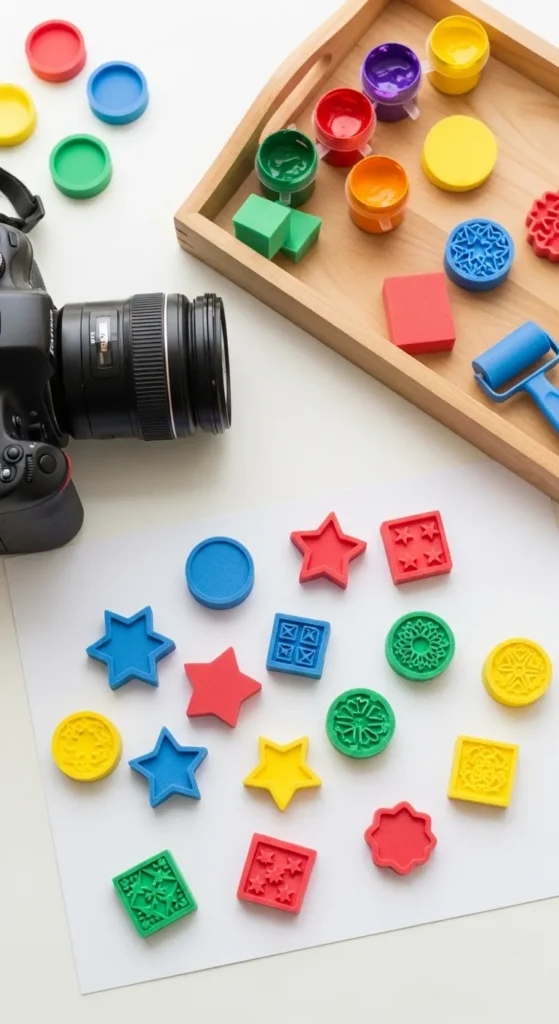
Add foam or wooden stamps. Kids dip and press to make scenes. Stamps are reusable and easy to store. Pair with washable paint for simple cleanup.
18. Water Painting Refill Kit
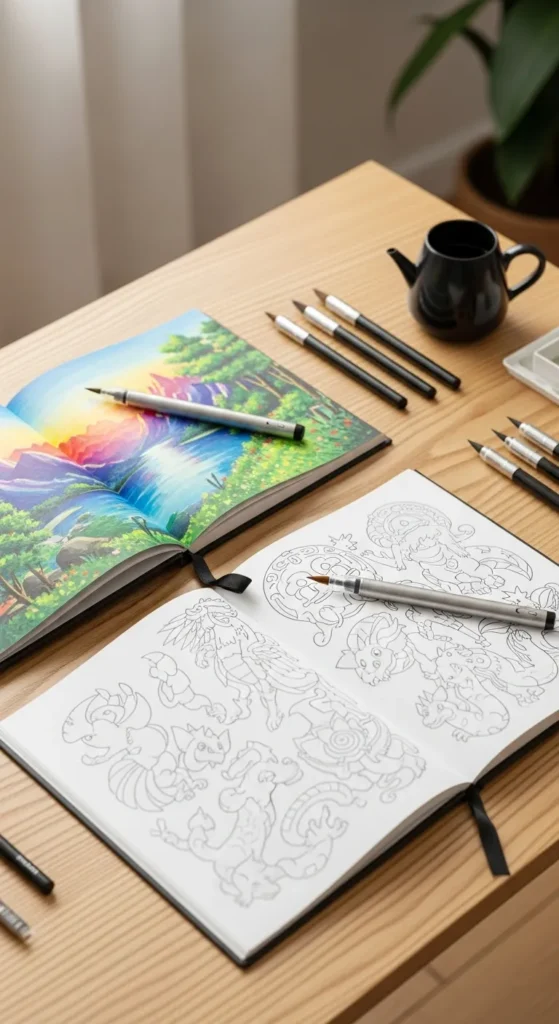
Water painting kits use refillable water brushes and special paper. Kids paint with water only. This works well for travel or quiet time. Refillable books reduce repeat costs.
19. Story Painting Kit
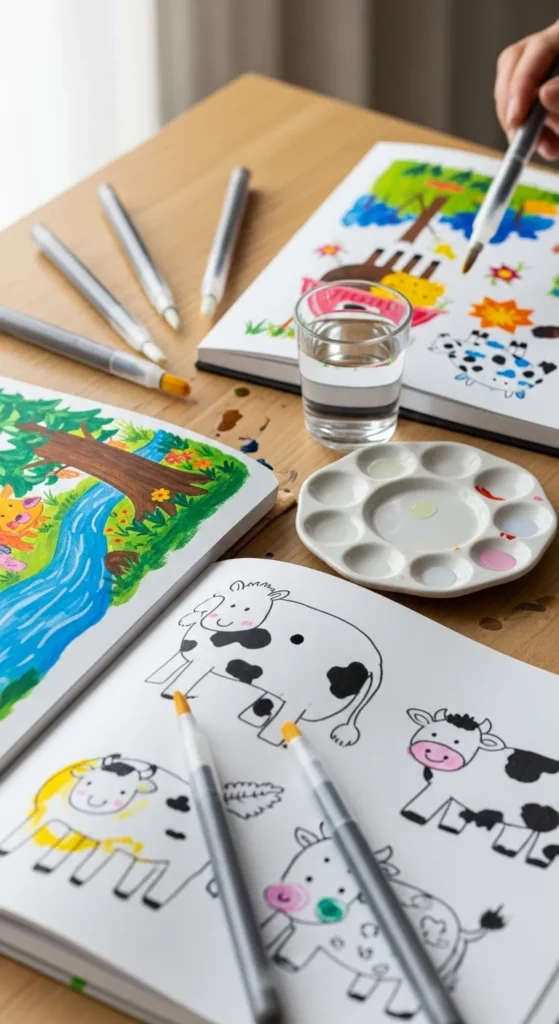
This kit encourages storytelling. Add paper folded into pages and paint. Kids paint scenes from their own stories. Staple pages together later. This blends art and imagination with little expense.
20. Paint and Clay Combo Kit
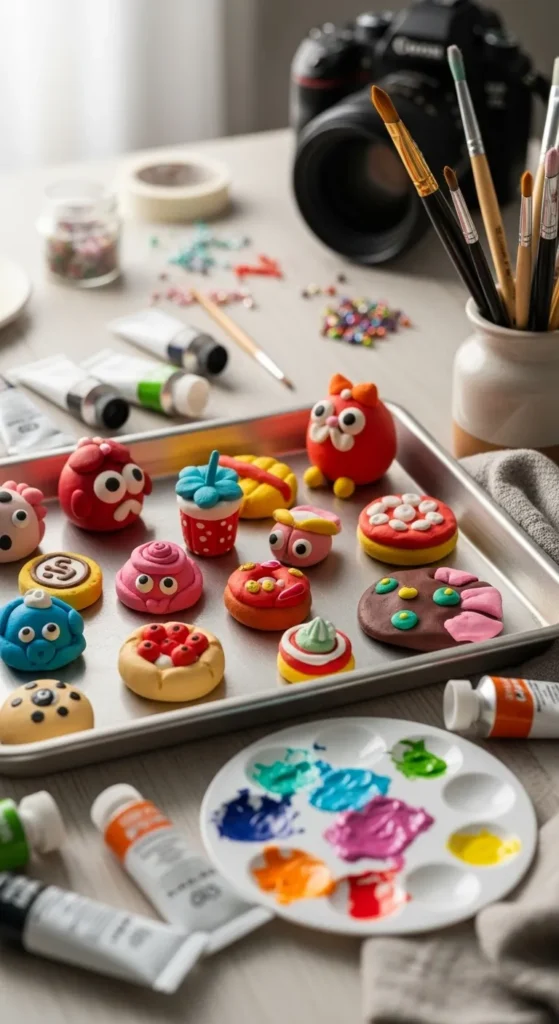
Add air-dry clay and paint. Kids shape, let dry, then paint. Clay packs are affordable and last. This kit adds depth to art time and keeps kids engaged longer.
21. Seasonal Theme Paint Kit
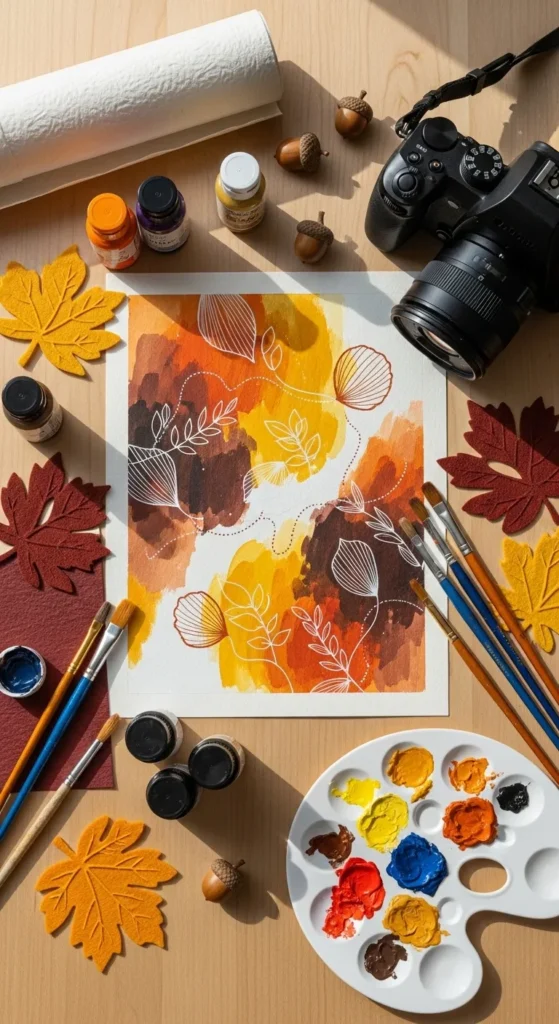
Create kits based on seasons or holidays. Use themed colors and paper shapes. Rotate themes using the same base supplies. This keeps kits feeling new without buying more paint.
22. Paint and Masking Tape Art Kit
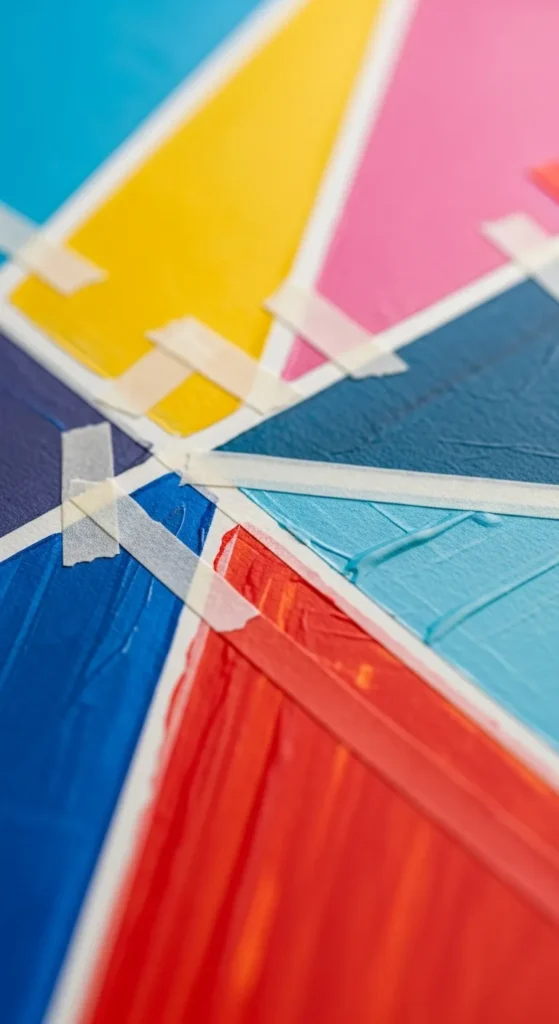
Tape creates clean shapes. Add masking tape and paint. Kids tape designs, paint over, then peel. Tape is low-cost and easy to store. This kit teaches patience and planning.
23. Chalk Paint Kit
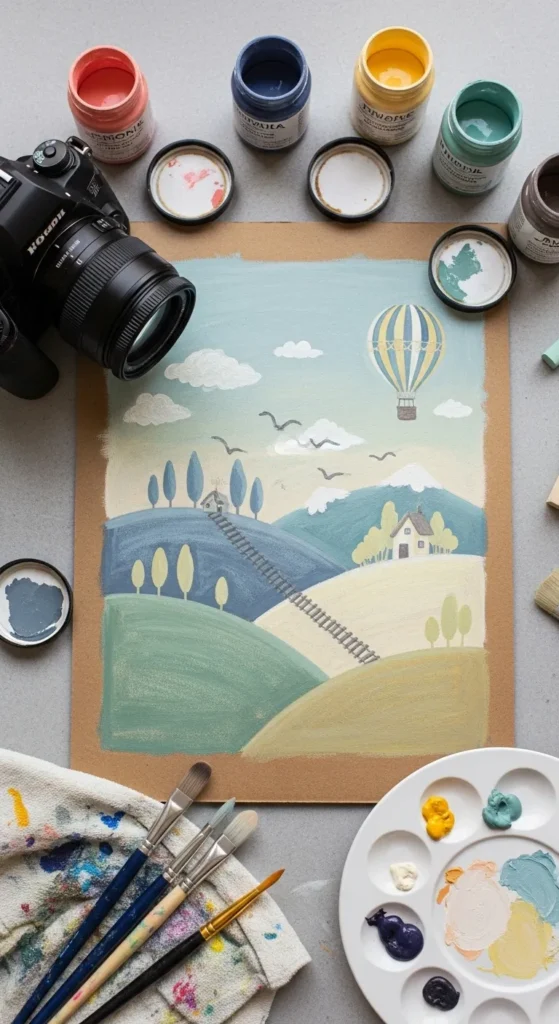
Chalk paint has a soft look. Use on cardboard or wood pieces. Kids enjoy the matte finish. Chalk paint often covers well, so little paint goes far.
24. Paint and Paper Cut Kit
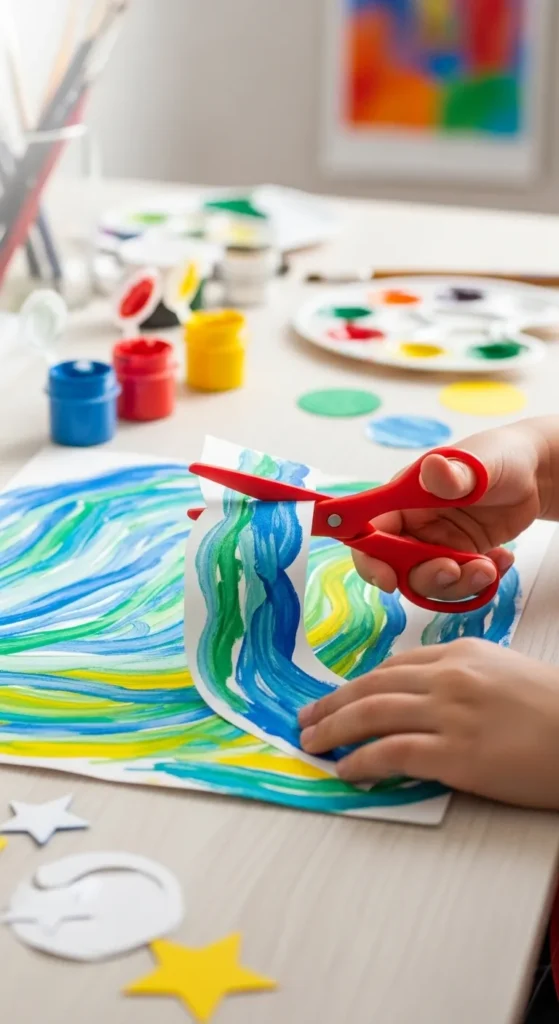
Paint paper first, then cut shapes after drying. Add scissors and glue. Kids turn painted sheets into collages. This stretches one painting session into two activities.
25. Monochrome Paint Kit
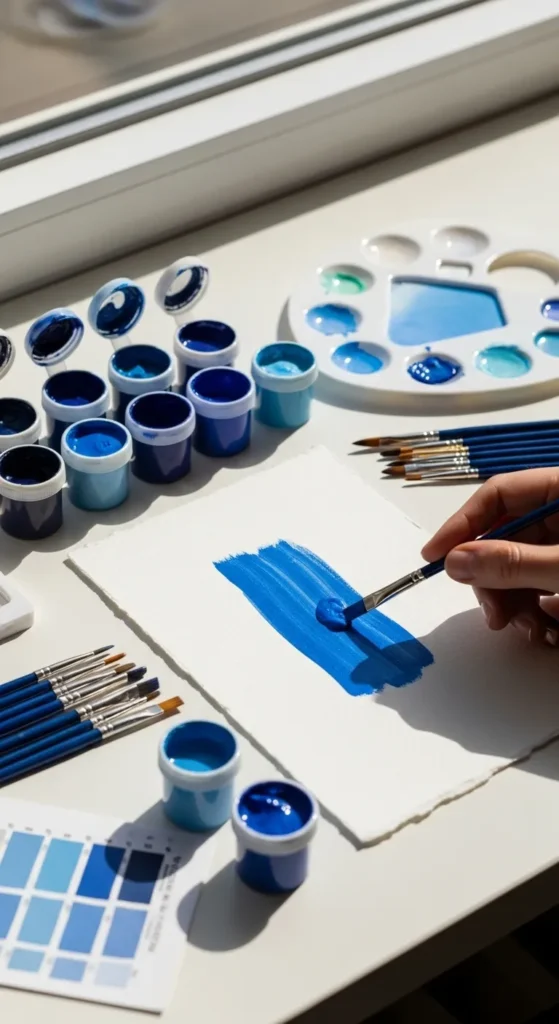
Use one color in light and dark shades. Kids explore tone and depth. This kit uses less paint and teaches control. Store paints together to keep shades organized.
26. Paint and Stencil Kit
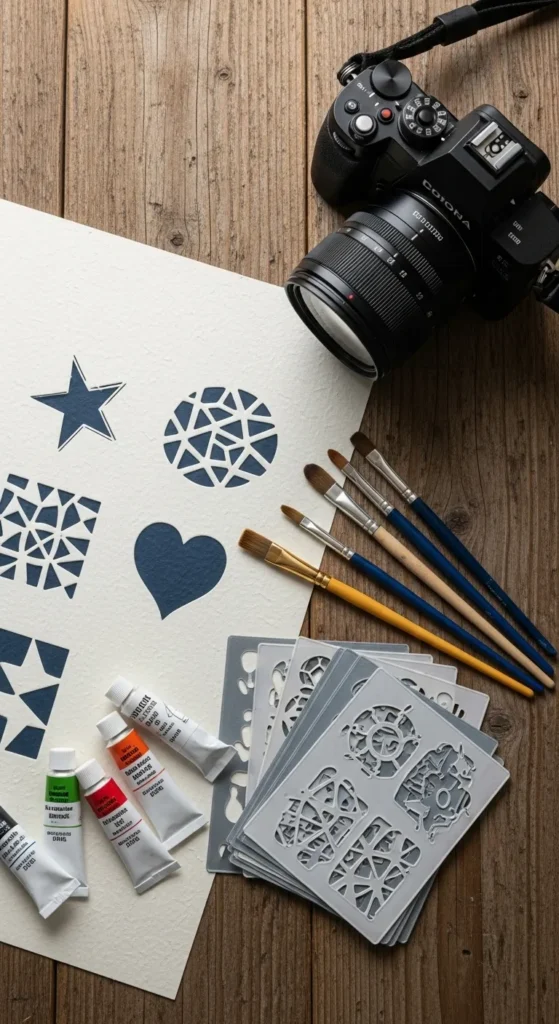
Stencils guide painting. Add reusable stencils and sponges. Kids create clean shapes without frustration. Stencils last a long time and store flat.
27. Travel Paint Kit
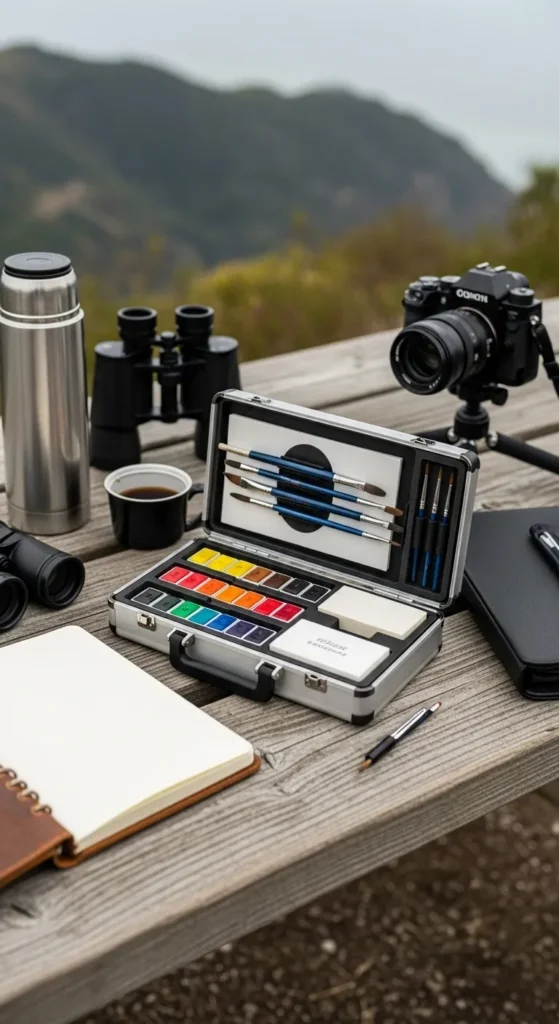
Use a pencil case or small box. Add mini paints, brushes, and paper. This kit works for trips or waiting times. Small supplies help limit mess.
28. Paint and Music Kit
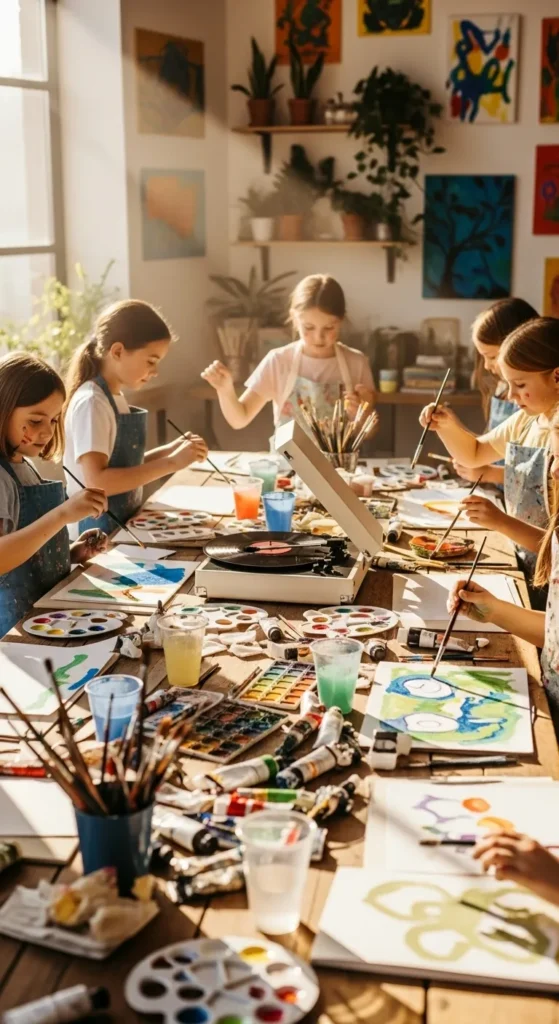
Pair painting with music. Add a playlist suggestion card for parents. Kids paint while listening, which changes mood and rhythm. No extra cost, just a new experience.
29. Free Paint Choice Kit
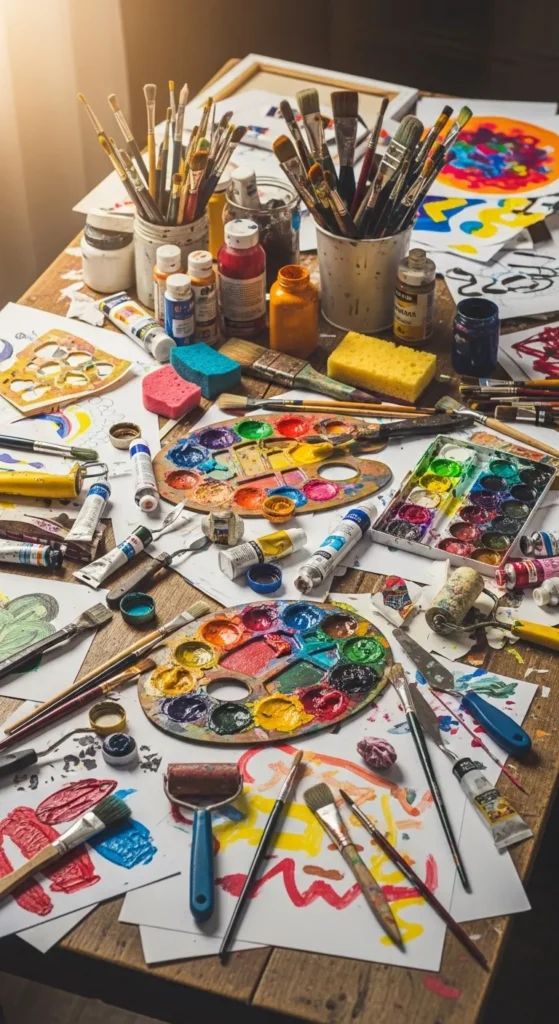
This kit combines favorite tools and colors. Let kids choose what to use. It builds independence and confidence. Rotate supplies from other kits to keep it interesting without buying more.
Conclusion
Paint kits give kids simple ways to explore color, texture, and imagination at home. With thoughtful setup and budget-friendly supplies, each kit can be reused many times. These ideas help parents create art time that feels fun instead of stressful. Pick one or two kits to start, store them neatly, and let kids enjoy creative moments whenever inspiration strikes.