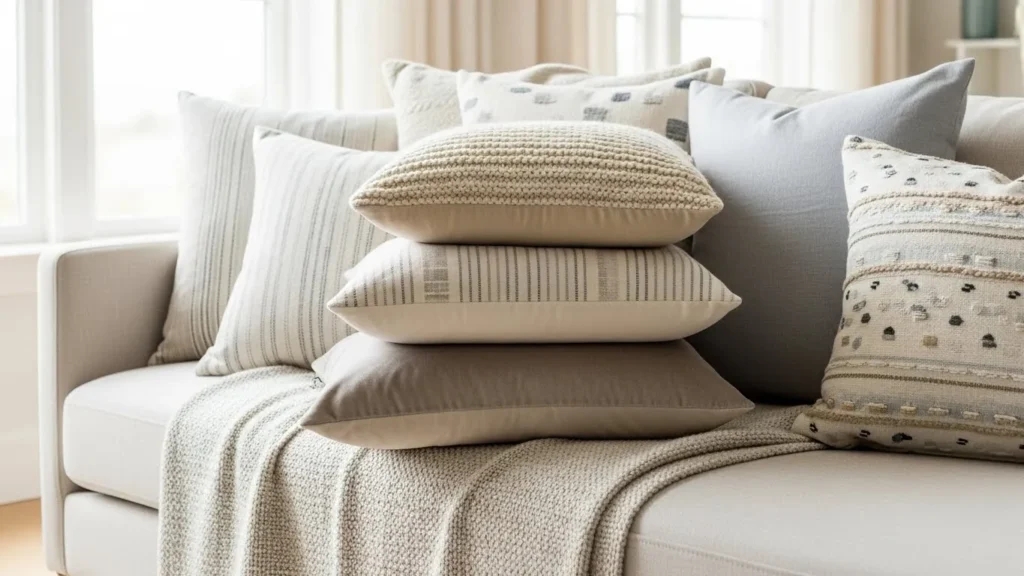
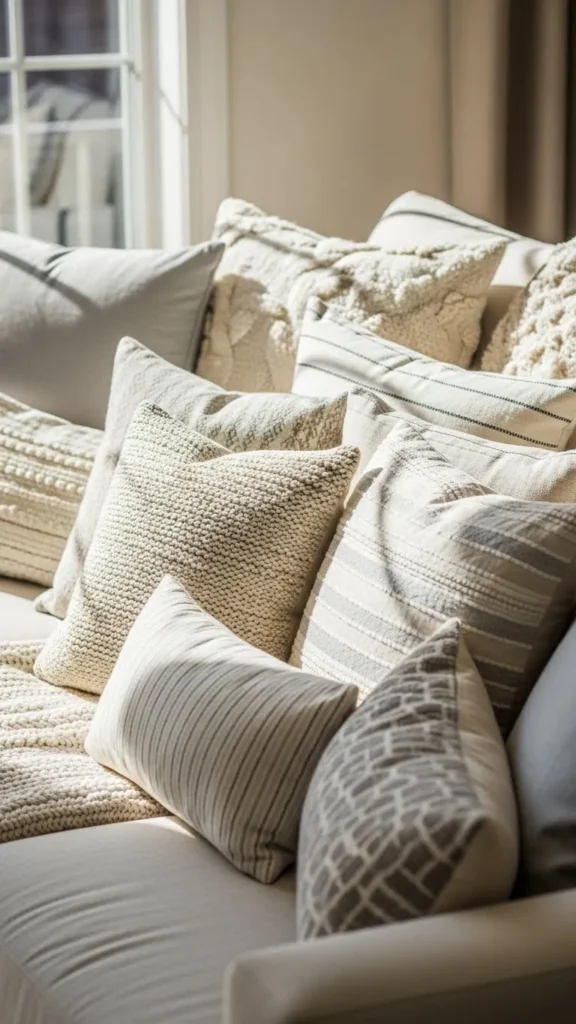
Pillow covers are one of the simplest ways to change the mood of a room without replacing furniture or committing to big projects. A small swap can shift a space from plain to thoughtfully styled. With the right colors, textures, and patterns, pillow covers help tie furniture together and bring warmth into everyday living areas. This list focuses on styles that feel approachable, affordable, and easy to use. Each idea includes practical tips so you can style your home with confidence, even on a tight budget.
1. Neutral Linen Pillow Covers
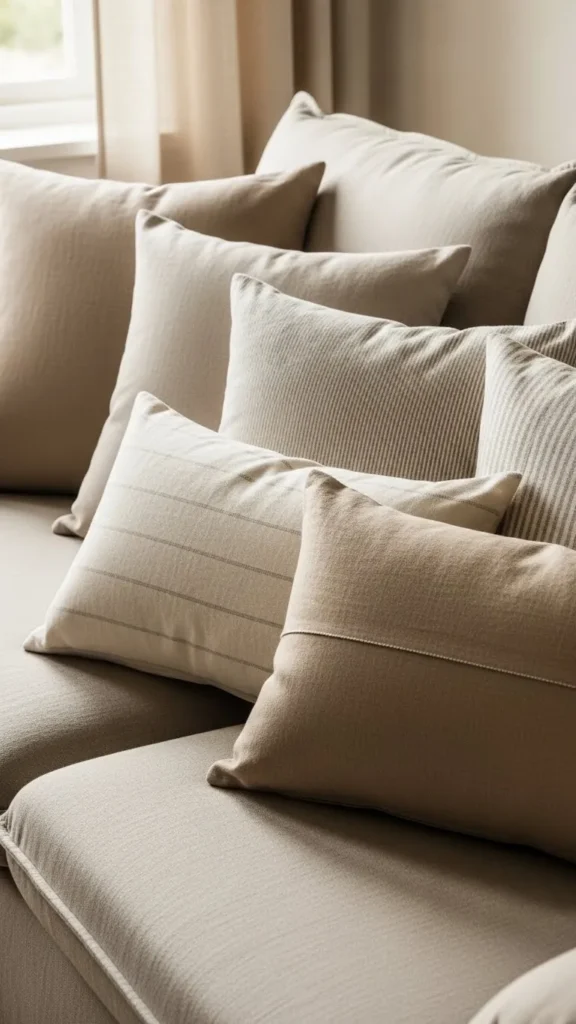
Neutral linen covers work well in almost any room. Their relaxed texture adds interest without drawing too much attention. These covers pair nicely with both light and dark furniture. You can use them on a sofa, bed, or reading chair.
Linen does not require perfection. Small wrinkles add charm. That makes it forgiving for daily use. If you want to save money, look for linen-blend fabrics instead of pure linen. They cost less and still give a similar look.
DIY fans can sew envelope-style covers with basic stitching. Neutral linen also works well as a base layer. Add one patterned or textured pillow on top to complete the setup.
2. Subtle Striped Cotton Covers
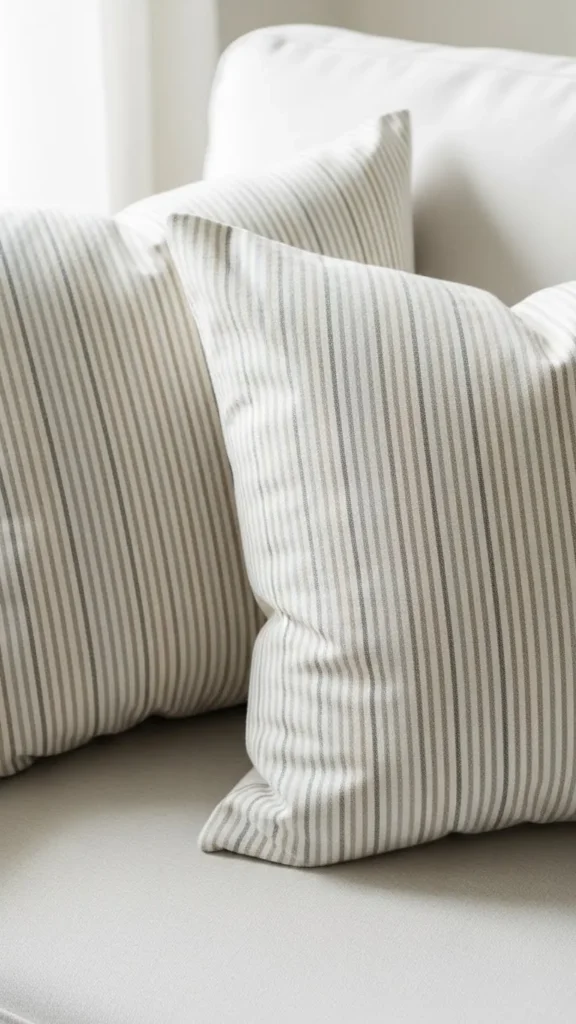
Thin stripes add structure while staying calm. They help guide the eye across a sofa or bed. Cotton fabric makes these covers easy to wash and use every day.
Choose stripes in soft shades like gray, sand, or faded blue. These colors mix well with solid pillows. For a budget-friendly approach, reuse plain cotton covers and paint stripes with fabric-safe paint and painter’s tape.
Striped covers look great in pairs. Place them at each end of the sofa for balance. They also work well in casual dining nooks or sunrooms.
3. Soft Velvet Accent Covers
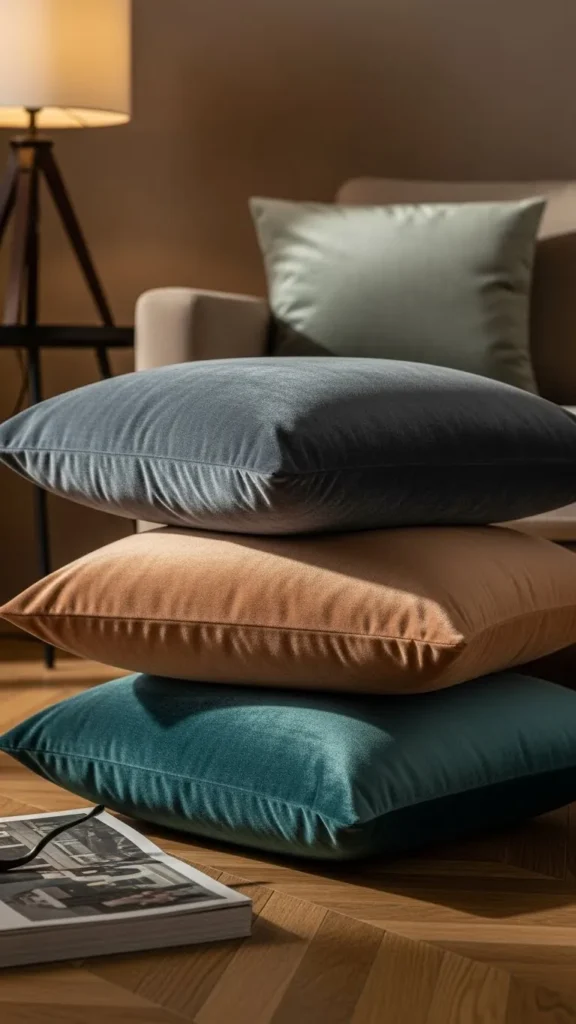
Velvet pillow covers bring warmth and depth through texture. They catch light differently throughout the day, which adds interest even in simple rooms.
You don’t need many velvet pillows. One or two are enough. Pair them with flat fabrics like cotton or linen. This contrast keeps the look balanced.
Affordable velvet options are widely available. Look for removable covers with hidden zippers. If sewing, use pre-cut fabric panels to reduce waste. Velvet works well during cooler months but can stay year-round when colors stay soft.
4. Earth-Tone Woven Covers
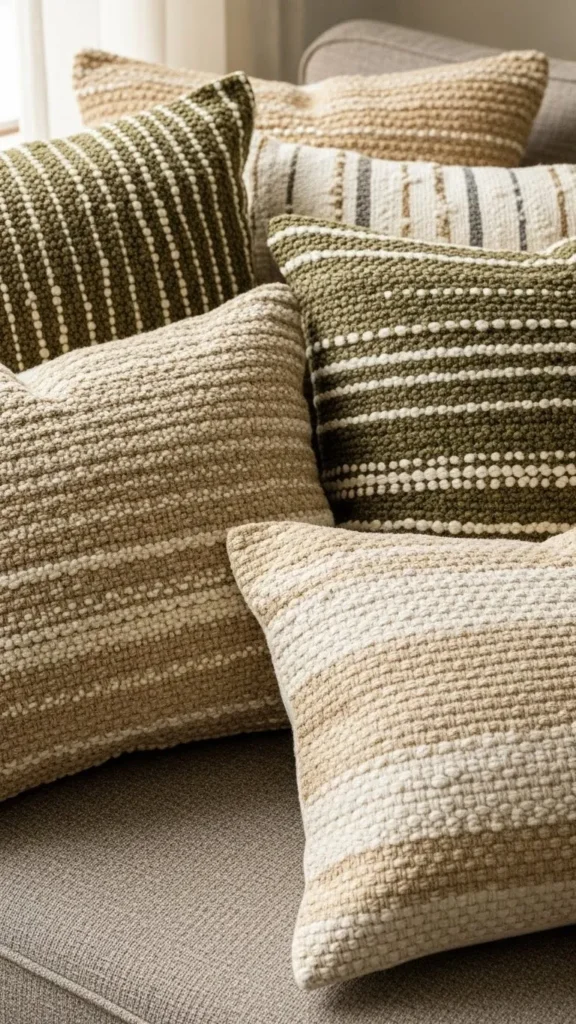
Earth tones help a space feel calm and grounded. Woven fabrics add subtle pattern through texture instead of bold prints.
These covers work well in homes with wood furniture or neutral walls. Mix several earth shades together for a layered look.
To save money, choose woven-look fabrics rather than handwoven pieces. You can also reuse old pillow inserts to avoid extra costs. Earth-tone covers suit living rooms, bedrooms, and even covered patios.
5. Minimal Geometric Pattern Covers
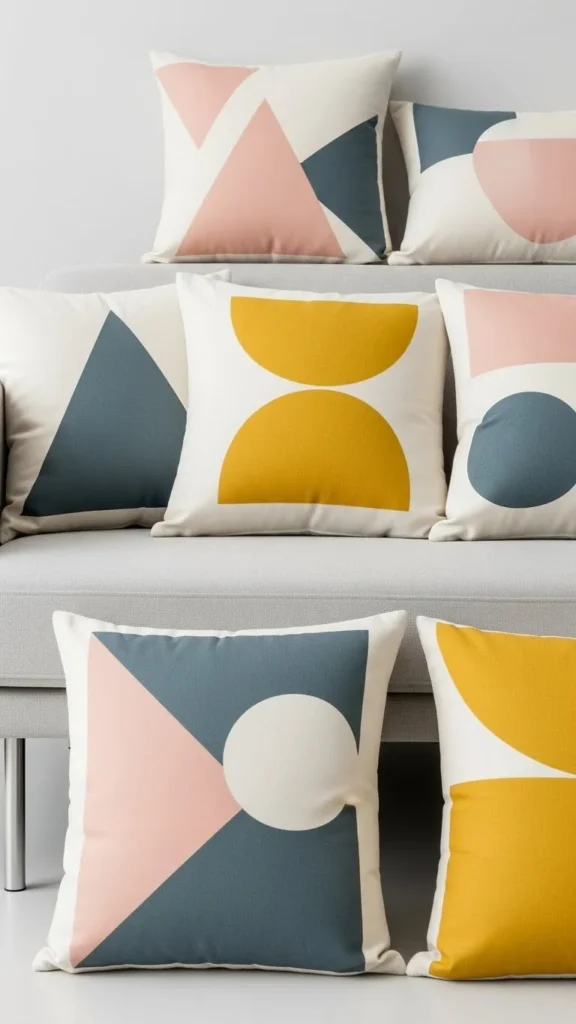
Geometric patterns add visual interest without feeling busy when designs stay simple. Look for small-scale shapes in limited color palettes.
These covers work well in modern and transitional spaces. Pair them with solid pillows to keep the setup balanced.
DIY idea: use fabric stencils on plain covers. This allows you to customize colors to match your room. Geometric pillows often look best when used sparingly.
6. Textured Bouclé Pillow Covers
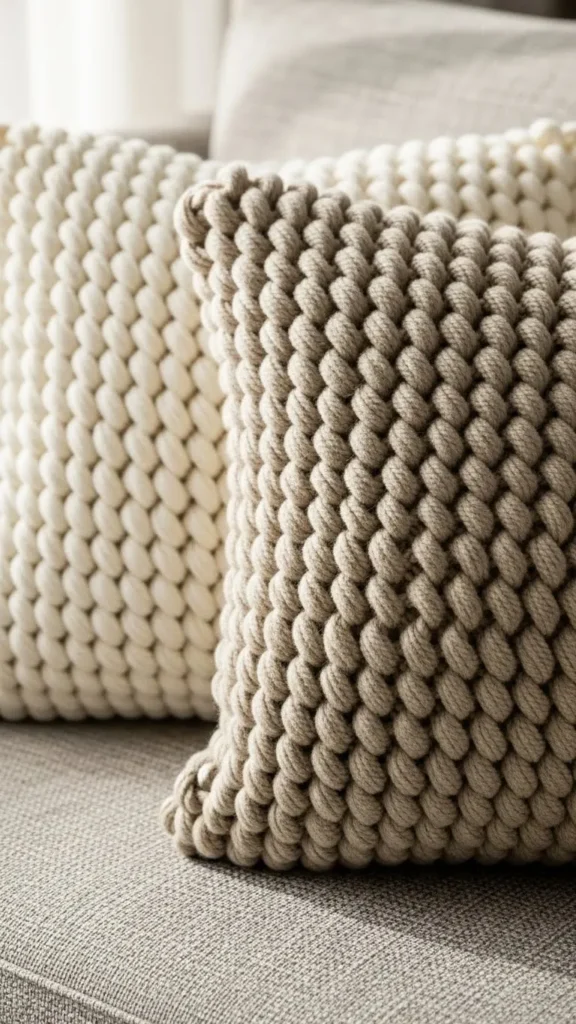
Bouclé fabric adds softness and depth through texture alone. These covers are great when you want interest without patterns.
Use bouclé pillows on sofas or accent chairs. They pair well with leather or smooth fabrics.
Bouclé can be costly, so look for small covers or blended fabrics. Use neutral colors so they work across seasons. These pillows often feel cozy without extra styling.
7. Muted Floral Print Covers
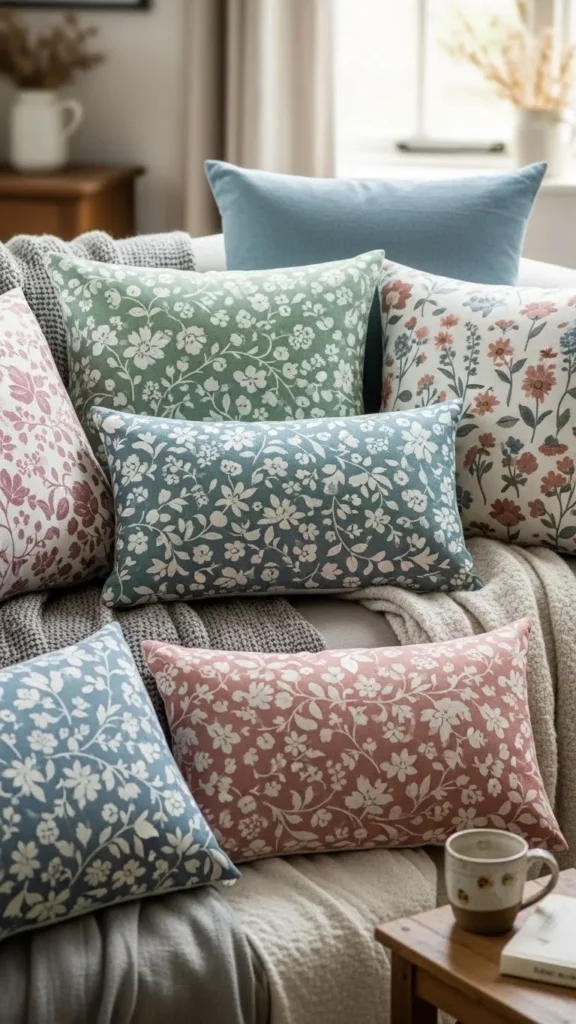
Soft floral prints add charm without feeling overwhelming when colors stay calm. Avoid bright contrasts and large blooms.
Muted florals pair nicely with solid pillows. They work well in bedrooms, living rooms, or reading corners.
To keep costs down, choose digital prints on cotton fabric. You can also repurpose fabric scraps from curtains or table linens for a DIY option.
8. Hand-Block Style Print Covers
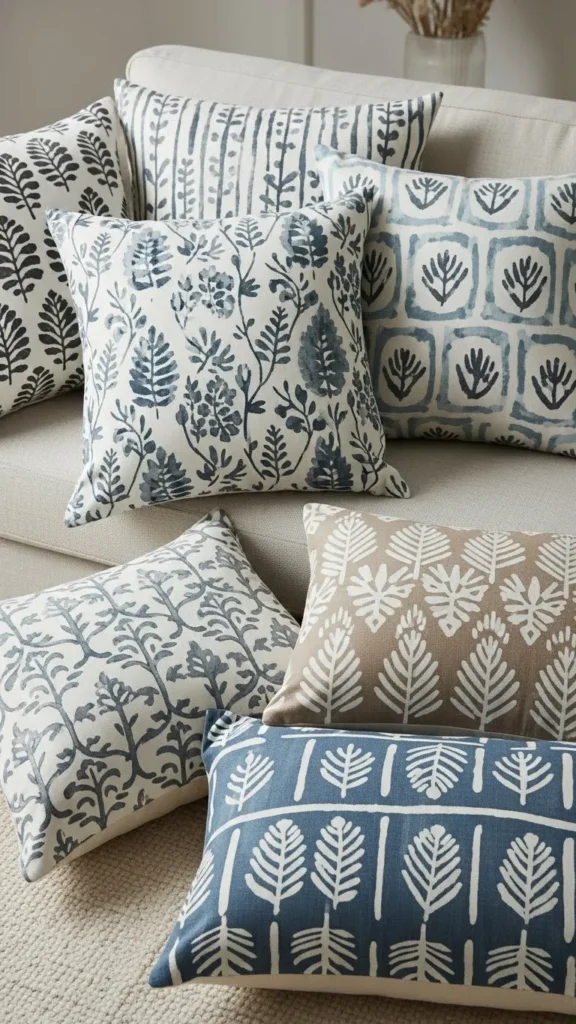
Hand-block style prints add personality through imperfect pattern repeats. They feel artistic without being loud.
These covers look best mixed with solids. Use them as accent pieces rather than filling the whole sofa.
Affordable versions often use printed designs that mimic the style. This keeps the look approachable while staying within budget.
9. Two-Tone Color Block Covers
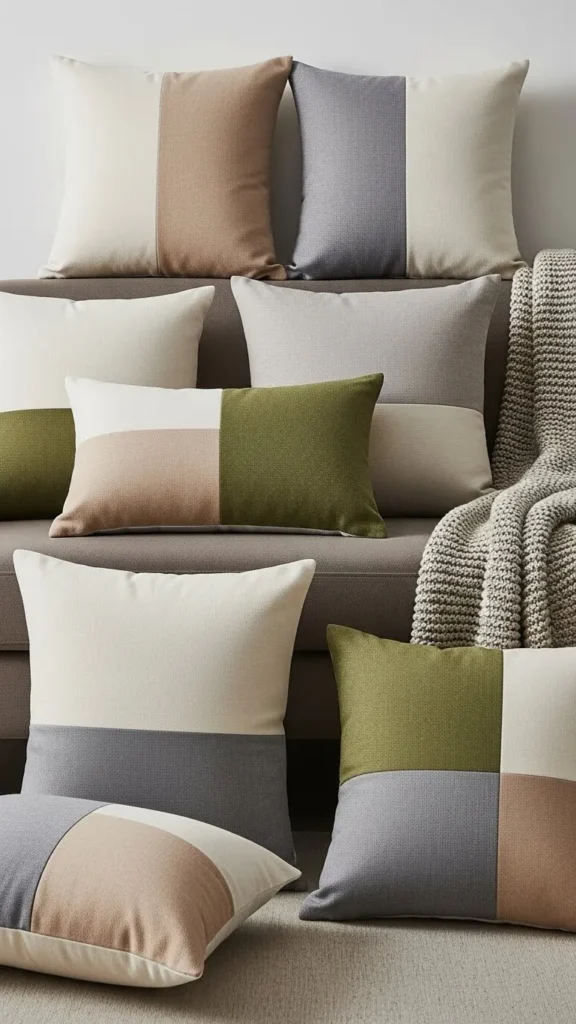
Color block pillows add structure using simple shapes and contrast. Keep colors muted for a calm effect.
These covers are easy to sew at home. Use leftover fabric to create two panels. This makes them budget-friendly and customizable.
They work well in modern or casual rooms. Use one or two per seating area for balance.
10. Soft Knit Pillow Covers
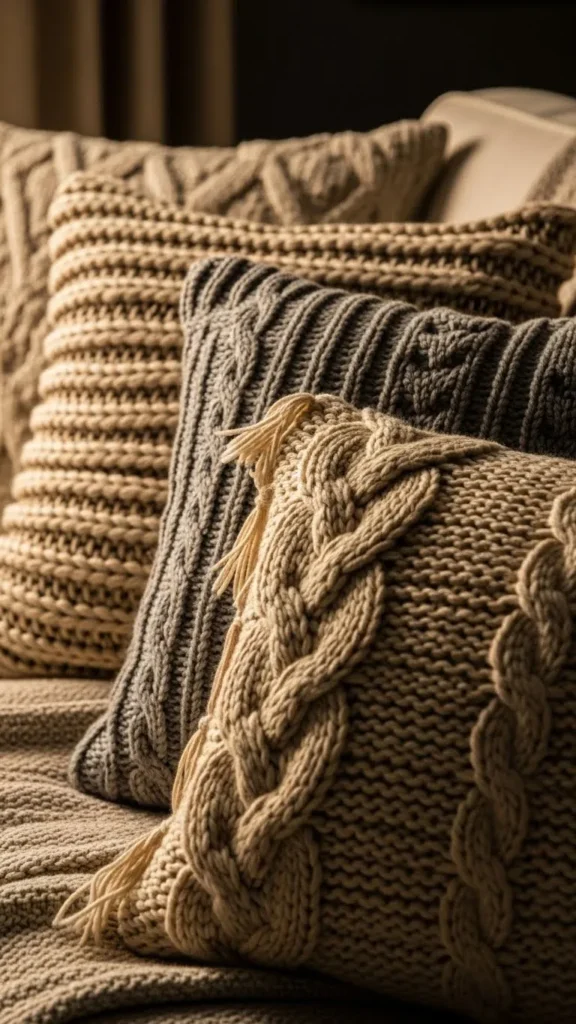
Knit covers bring comfort through texture. They work well in casual living rooms or bedrooms.
Choose medium-weight knits for durability. Lighter knits may stretch over time.
You can repurpose old knit sweaters by sewing them into covers. This keeps costs low and adds personal character.
11. Faux Leather Accent Covers
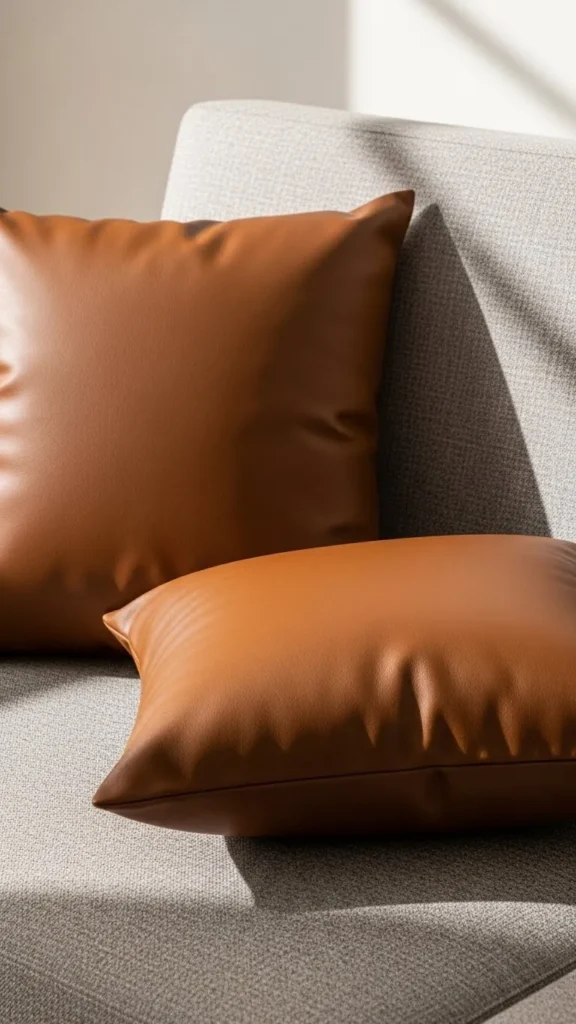
Faux leather adds contrast and structure. It pairs well with fabric sofas and soft textures.
Use these covers sparingly. One or two provide balance without feeling heavy.
Wipe-clean surfaces make them practical. Look for soft finishes that mimic real leather without stiffness.
12. Fringe Edge Pillow Covers
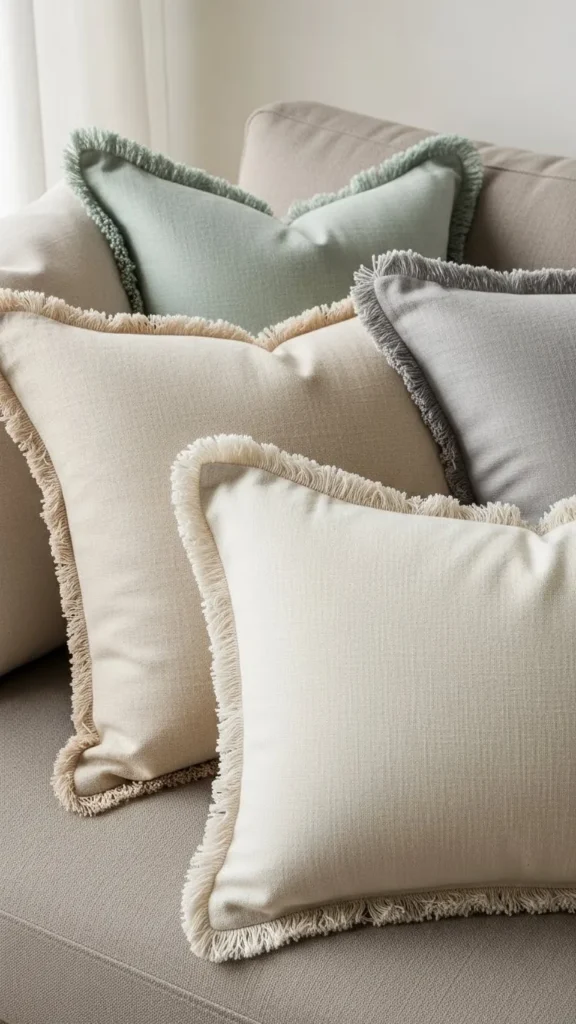
Fringe adds detail without overwhelming the design when kept minimal. Thin fringe works best.
These covers pair well with simple furniture. Use neutral colors for flexibility.
DIY option: add fringe trim to plain covers. This small update changes the look instantly.
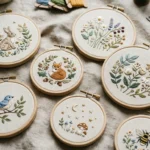
13. Embroidered Detail Covers
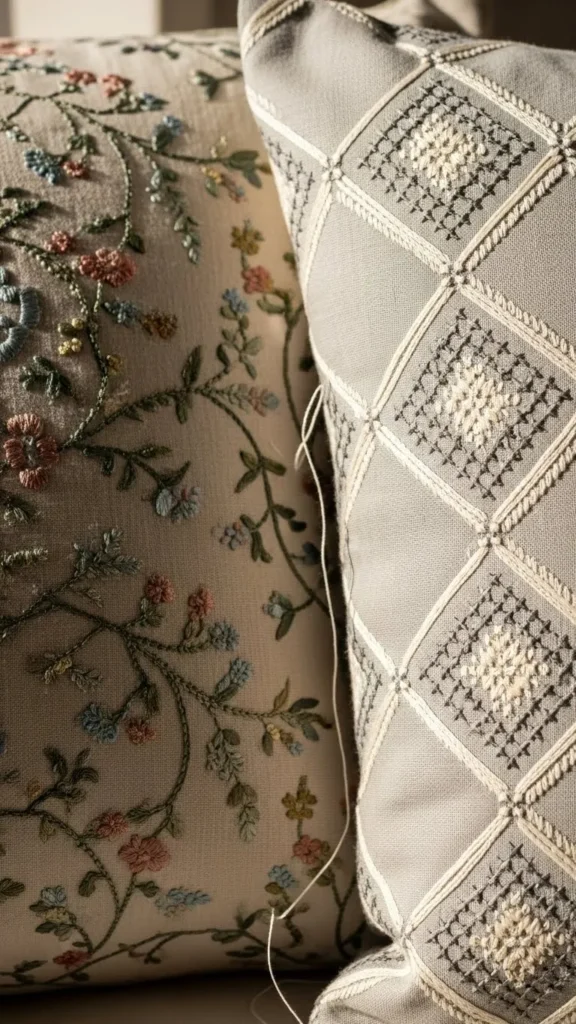
Light embroidery adds interest through detail rather than bold color. Choose simple motifs.
These covers work well as accent pieces. Pair them with plain pillows for balance.
Look for machine-embroidered designs to control costs. Hand-style patterns still show character.
14. Soft Check Pattern Covers
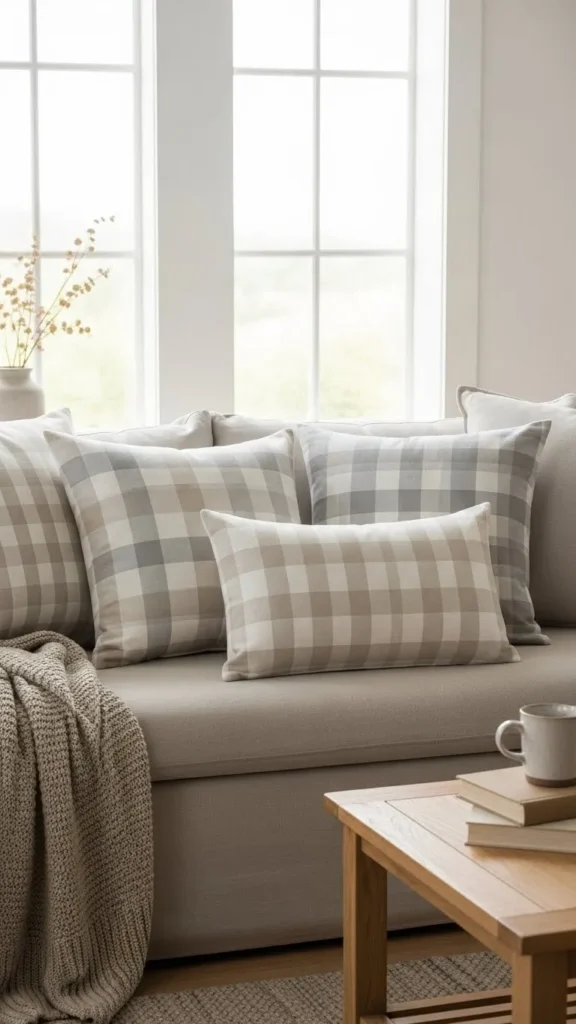
Small checks add structure without feeling busy. They fit well in casual or classic spaces.
Use them alongside solids. Avoid mixing too many patterns.
Cotton checks are affordable and durable. DIY versions are easy using pre-patterned fabric.
15. Canvas Texture Pillow Covers
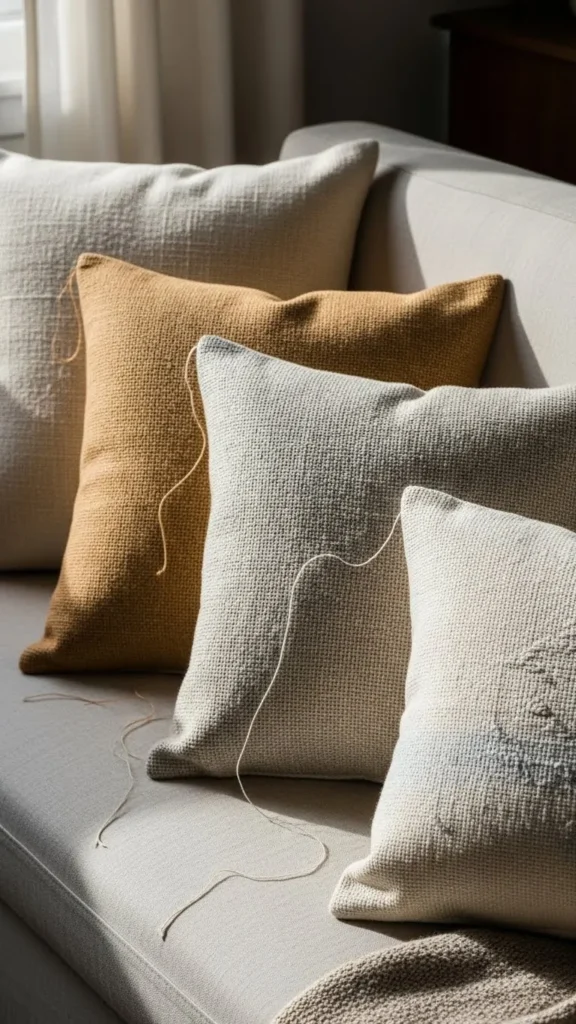
Canvas fabric feels sturdy and relaxed. It works well in high-use areas.
Choose lighter canvas for comfort. Darker shades hide wear better.
These covers are easy to sew and wash. They suit living rooms, entry benches, or outdoor seating under cover.
16. Soft Ombre Color Covers
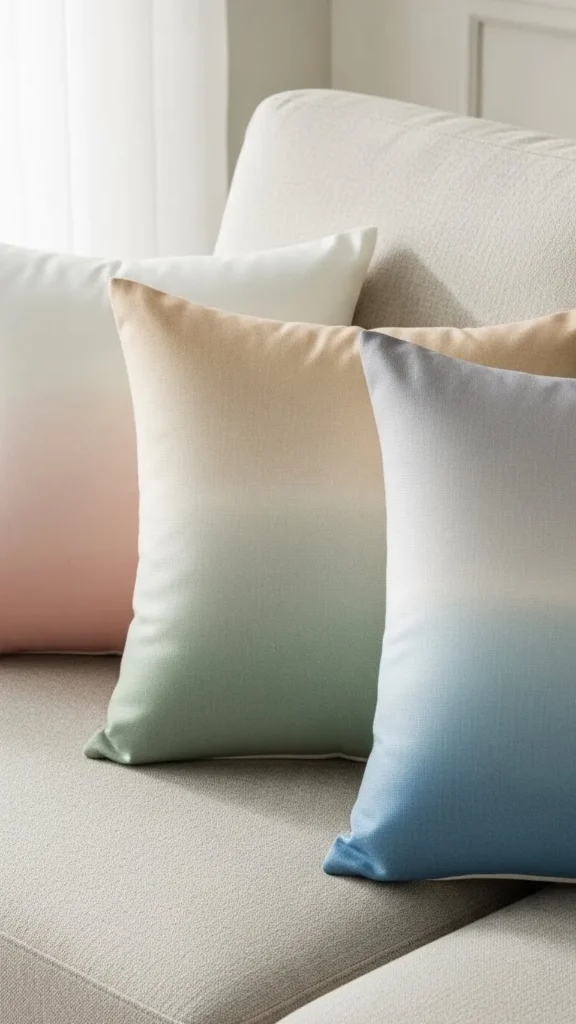
Ombre designs add movement through gradual color change. Keep transitions gentle.
These pillows work best as accent pieces. Pair with solids to avoid visual clutter.
Printed ombre fabrics are affordable and simple to style.
17. Pleated Detail Pillow Covers
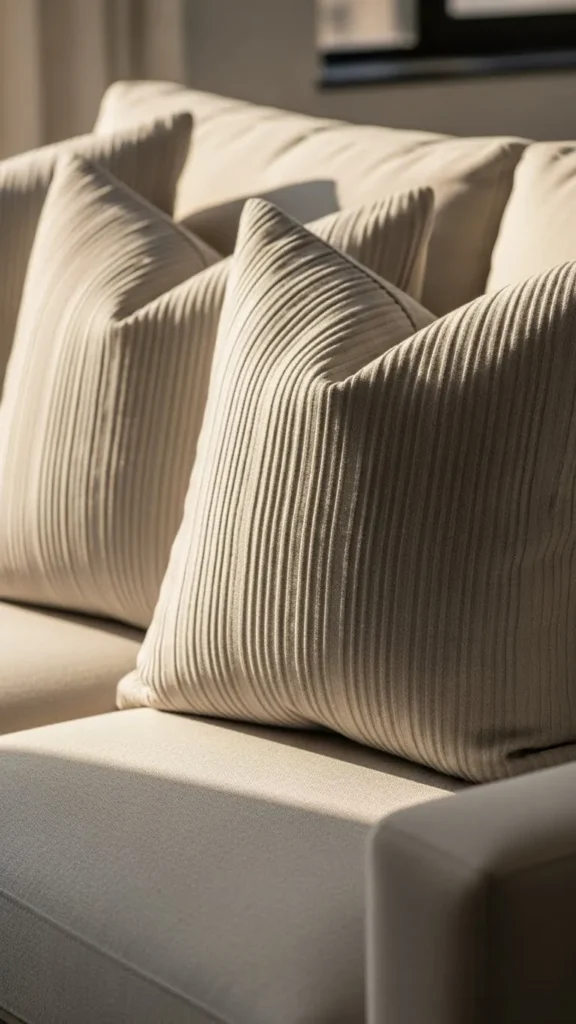
Pleats add structure and depth. They bring interest through shape rather than color.
Use neutral shades to keep the look calm. These covers suit both modern and classic rooms.
DIY pleats can be created with basic sewing skills and patience.
18. Botanical Line Art Covers
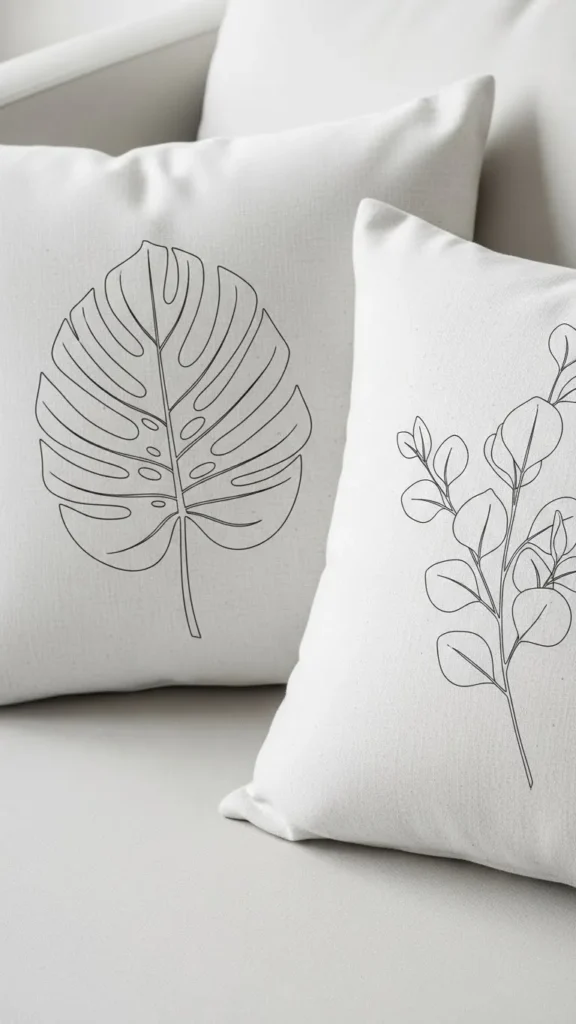
Line art prints feel light and artistic. They add detail without heavy color.
These covers work well in minimalist spaces. Pair with textured solids.
Printed designs are budget-friendly and easy to change seasonally.
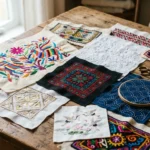
19. Patchwork Fabric Covers
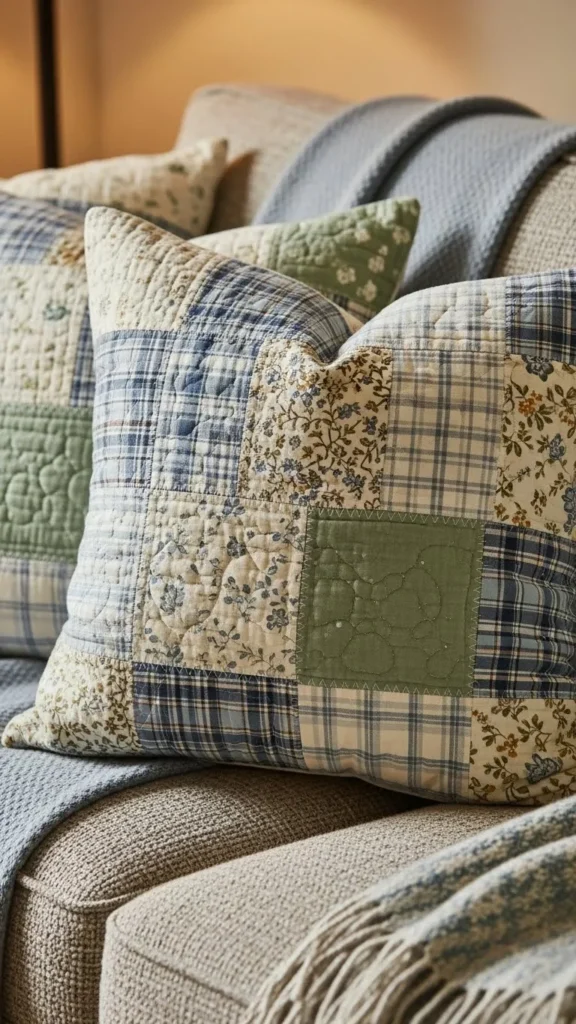
Patchwork covers add character through mix-and-match fabric. Keep colors cohesive.
Use fabric remnants to lower cost. This approach adds personal style.
Patchwork works best as an accent rather than a full set.
20. Border Trim Pillow Covers
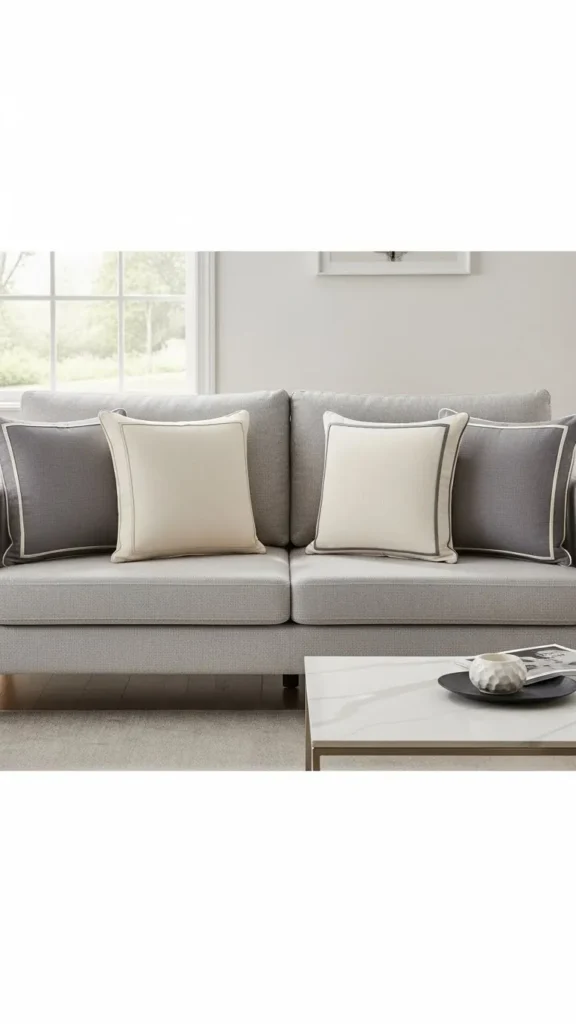
Border trim defines shape without bold pattern. Thin piping or contrast stitching works well.
These covers suit tailored spaces. Choose colors close to the base fabric.
Add trim to plain covers for an easy DIY upgrade.
21. Washed Denim Pillow Covers
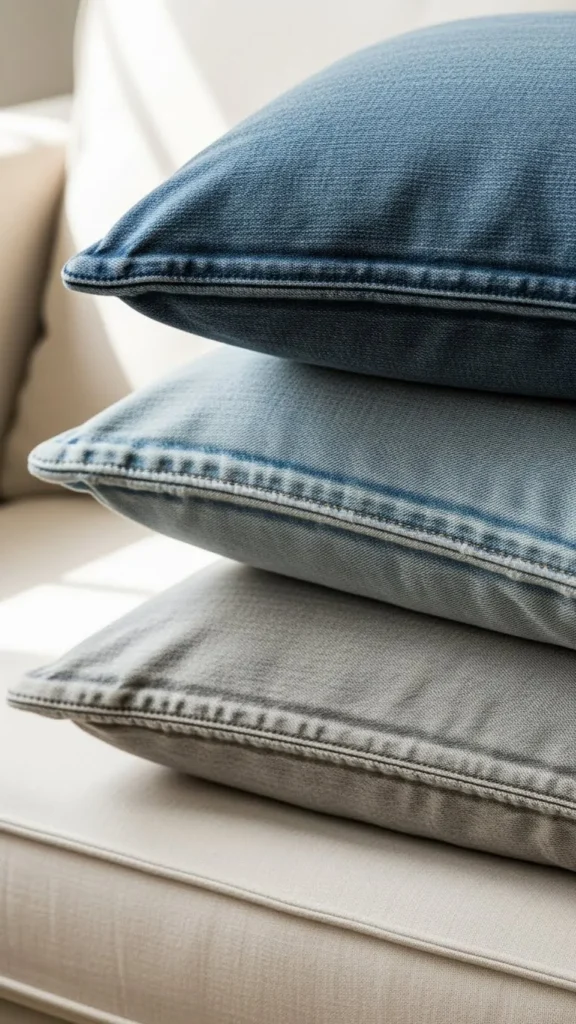
Denim covers feel relaxed and durable. Lighter washes work best indoors.
Use old jeans for DIY covers. This keeps costs low and adds character.
Pair denim with soft fabrics to keep balance.
22. Soft Faux Fur Accent Covers
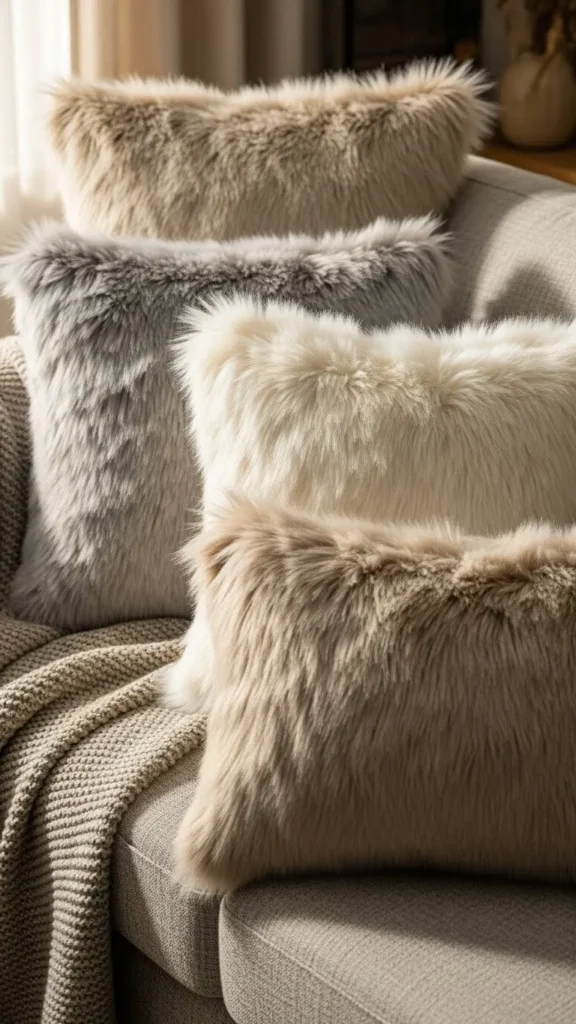
Faux fur adds softness and warmth through texture. Use sparingly.
Neutral shades blend well with other fabrics. Keep inserts firm for shape.
Look for removable covers for easy cleaning.
23. Neutral Patterned Jacquard Covers
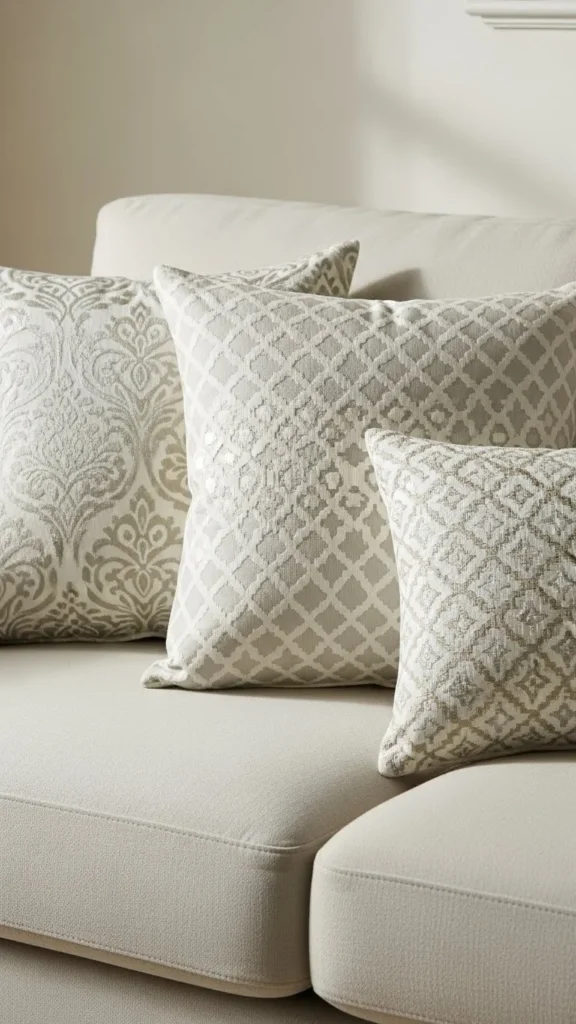
Jacquard fabric adds pattern through weaving. This keeps the look calm and layered.
Neutral shades make these covers flexible across seasons.
They pair well with plain pillows and textured throws.
Conclusion
Pillow covers offer a simple way to change how a room feels without major effort or cost. By mixing textures, patterns, and calm colors, you can create a space that feels thoughtful and welcoming. Small updates like these allow you to adjust your home over time, one detail at a time. Save ideas that fit your style and start with just a couple of covers to see how much difference they make.