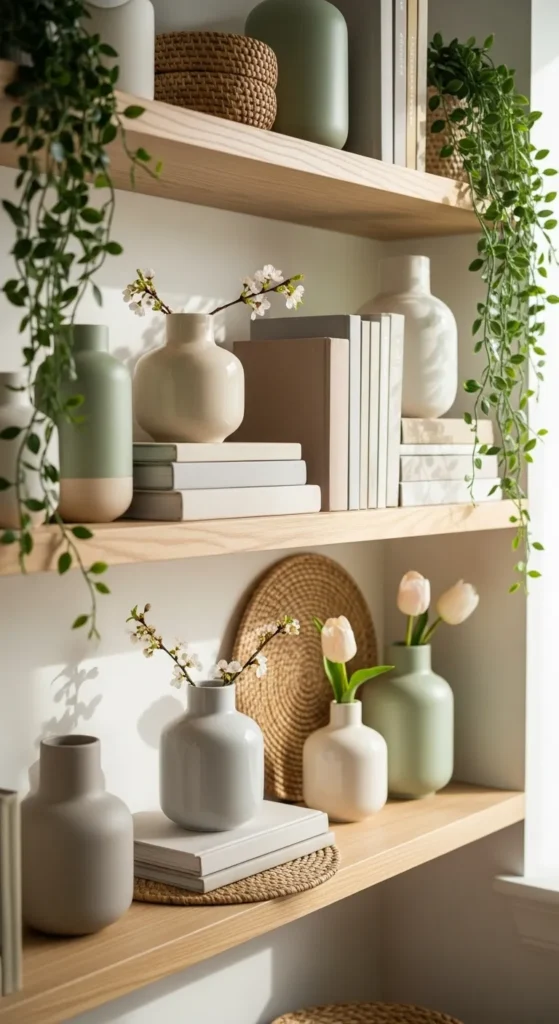
Spring shelf styling is all about making your shelves feel light, intentional, and pulled together without spending a lot or overthinking every piece. Small swaps, simple layers, and everyday items can create a styled look that feels calm and welcoming. These easy DIY shelf styling ideas focus on balance, spacing, and budget-friendly touches you can pull together in an afternoon. No complicated rules. No shopping overload. Just simple ideas that help your shelves feel thoughtfully arranged and easy to live with.
1. Soft Neutral Vase Grouping
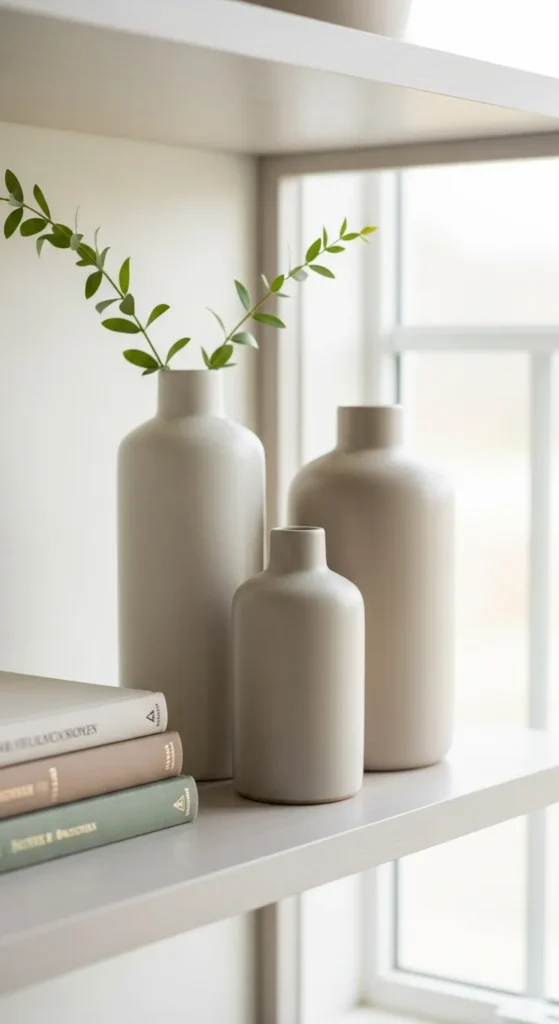
Grouping neutral vases instantly gives shelves a styled feel. Stick to two or three pieces. Vary the height slightly. Keep the color palette calm. Cream, beige, or soft gray works well for spring shelves.
You don’t need new decor. Thrift stores and discount home shops often have simple ceramic vases for a few dollars. Even mismatched shapes work when the color stays consistent.
Place the tallest vase toward the back. Add a medium one beside it. Finish with a smaller piece in front. Leave breathing room around the group so it doesn’t feel crowded.
For a DIY touch, spray paint old vases in a single soft tone. Matte finishes work best and hide imperfections.
Keep stems minimal. A single branch or dried grass works better than full arrangements. This setup feels calm and intentional while staying easy to update as seasons change.
2. Stacked Books With Simple Object
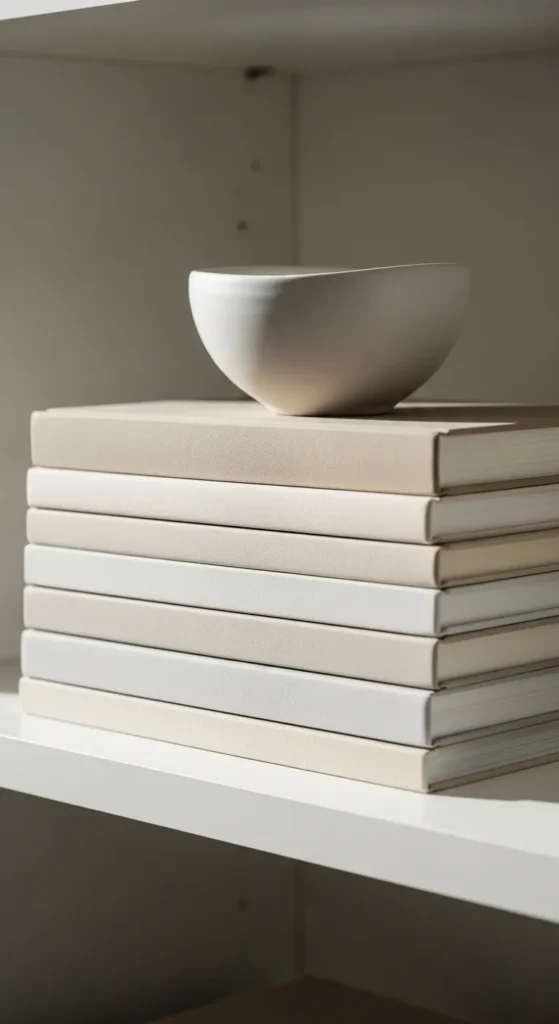
Book stacks are one of the easiest shelf styling tricks. Choose two or three books with similar tones. Remove dust jackets if they feel too busy.
Lay them flat. Add one small object on top. A ceramic bowl, wood bead strand, or small framed photo works well.
This setup adds height without clutter. It also gives your shelf a layered look that feels natural.
You can use books you already own. Older hardcovers often look better than glossy new ones. If the covers clash, turn them spine-in for a cleaner look.
Repeat this idea on different shelves, but change the object on top to avoid repetition. This keeps the whole shelf unit feeling balanced without looking staged.
3. Small Potted Greenery Accent
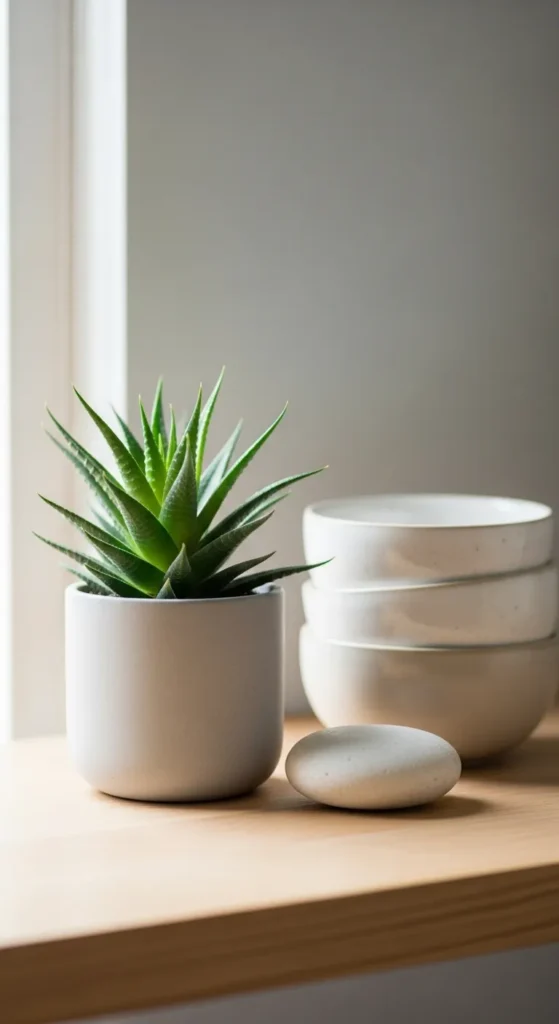
A single small plant can make shelves feel alive without overpowering the space. Choose something simple like faux eucalyptus or a low-maintenance real plant.
Use a neutral pot. White, clay, or light stone colors work well. Avoid overly detailed planters that distract from the shelf layout.
Place greenery near books or ceramics to soften straight lines. This adds movement and contrast.
If you prefer faux plants, trim them so they don’t look bulky. Less is more.
Rotate greenery placement between shelves instead of putting one on every level. This keeps the look relaxed and intentional.
4. Leaned Frame Layering
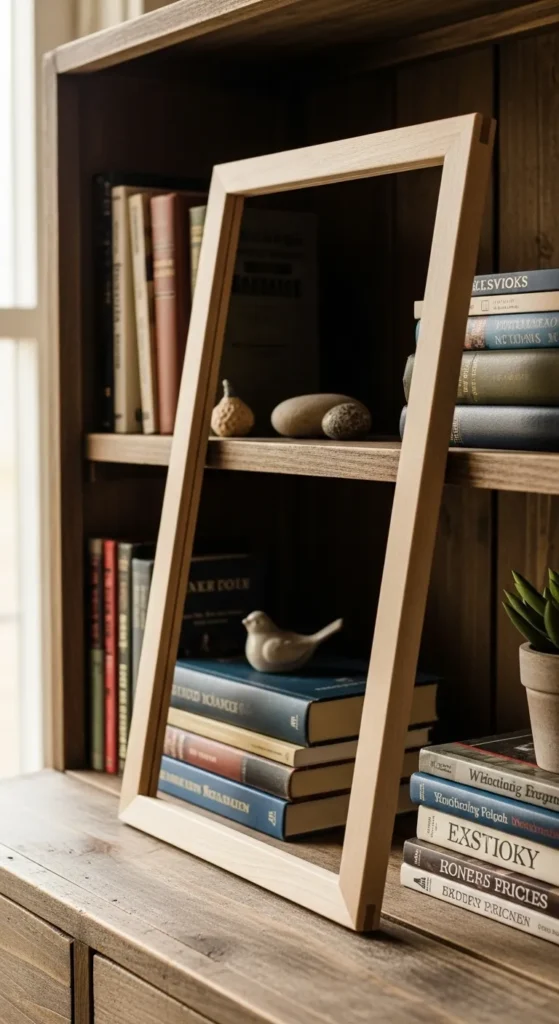
Leaning frames instead of hanging them creates a casual styled effect. Choose thin frames in wood or soft metal tones.
Artwork can be simple. Abstract prints, line drawings, or muted photography work best.
Place the frame toward the back of the shelf. Layer smaller items in front. This creates depth without blocking the artwork.
You can print art at home and swap it seasonally. Stick to soft colors to keep the shelf from feeling heavy.
Limit frames to one per shelf section so the look stays clean.
5. Woven Basket Texture Pop
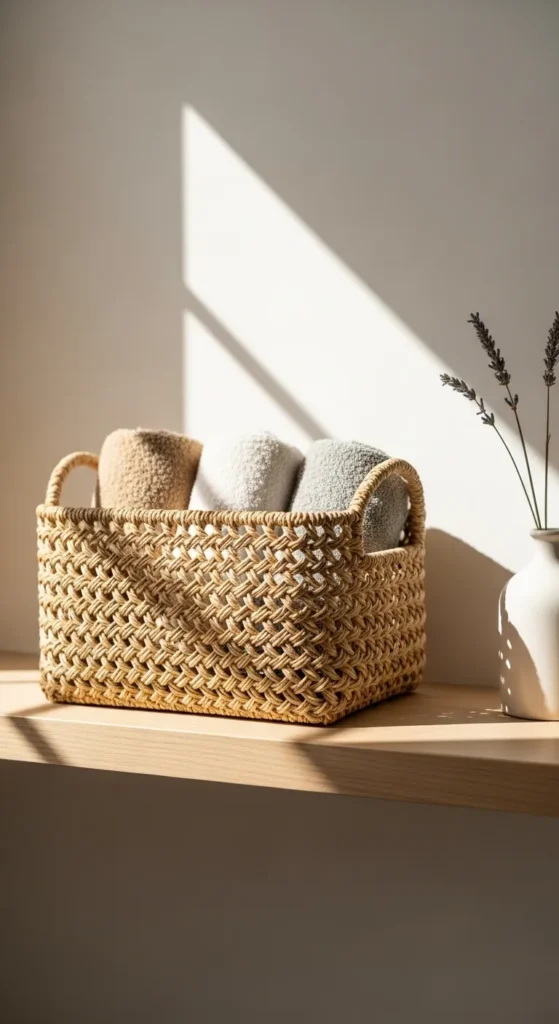
Small baskets add texture and warmth to shelves. Use them to break up hard surfaces like books and ceramics.
Choose shallow baskets that fit neatly on shelves. Avoid deep bins that dominate the space.
You can use baskets for storage. Hide cords, remotes, or small items while keeping shelves tidy.
Stick to natural tones like tan or light brown. This keeps the look cohesive.
Place baskets on lower shelves for visual balance and easy access.
6. Minimal Candle Pairing
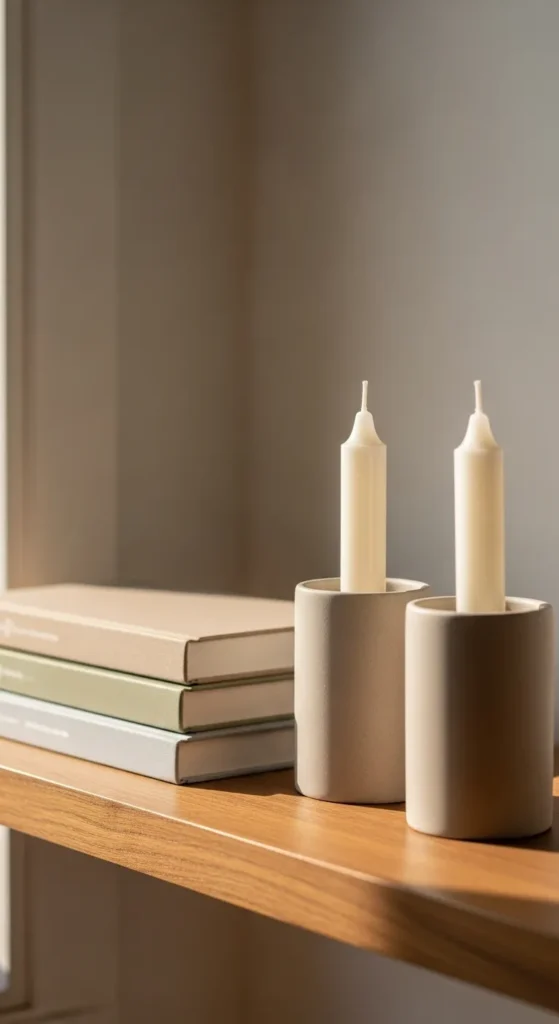
Candles add softness even when not lit. Use simple holders in similar tones.
Group two candles of slightly different heights. Keep them close together so they read as one styling moment.
Avoid strong colors. Neutral holders help shelves feel calm and coordinated.
If using real candles, trim wicks and keep them clean. Faux candles also work for low-maintenance styling.
This setup works well next to books or framed art.
7. Wooden Accent Pieces
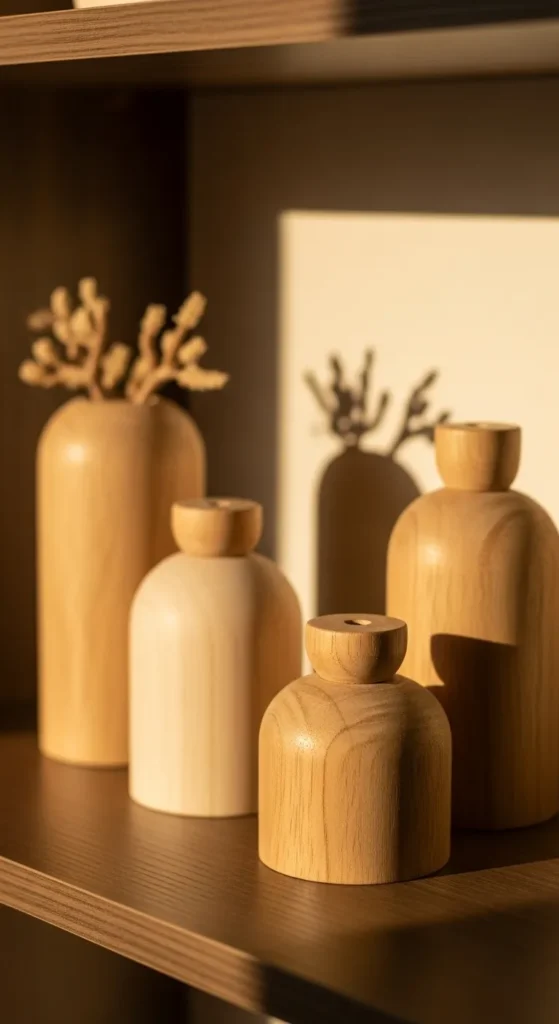
Wood accents ground shelf styling. Small bowls, beads, or carved objects add warmth without heaviness.
Stick to one wood tone throughout the shelf unit. Mixing too many shades can feel busy.
DIY wood bead garlands are affordable and easy to make. Use unfinished beads and natural twine.
Place wood accents near ceramics for contrast. This keeps the shelf visually balanced.
8. Symmetrical Shelf Corners
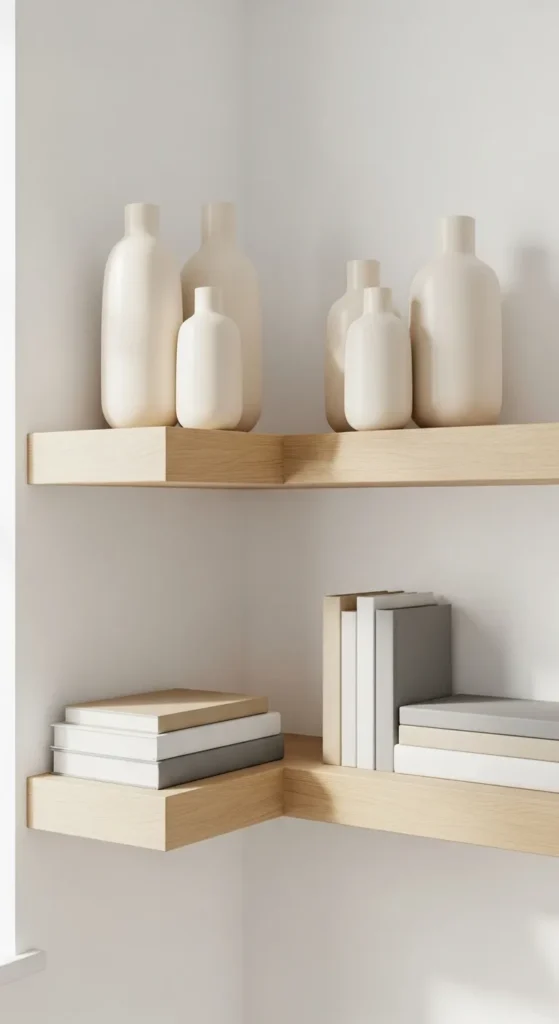
Using symmetry on shelf ends creates order. Match two similar items on each side of a shelf unit.
This works well for built-ins or wide shelving. Keep the center more relaxed.
You don’t need identical items. Similar height and color is enough.
Symmetry brings calm without making shelves feel stiff when used sparingly.
9. Simple Color Grouping
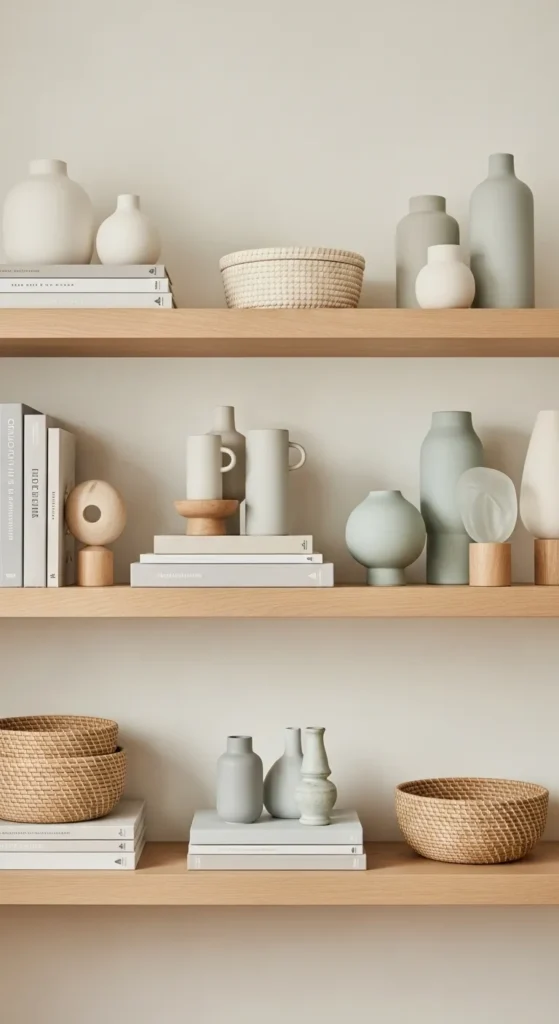
Grouping items by color helps shelves feel intentional. Stick to two or three tones.
Arrange objects so similar colors sit near each other. This creates visual flow.
You can rearrange existing decor instead of buying new pieces.
This method works especially well with books, pottery, and frames.
10. Low Profile Decorative Trays
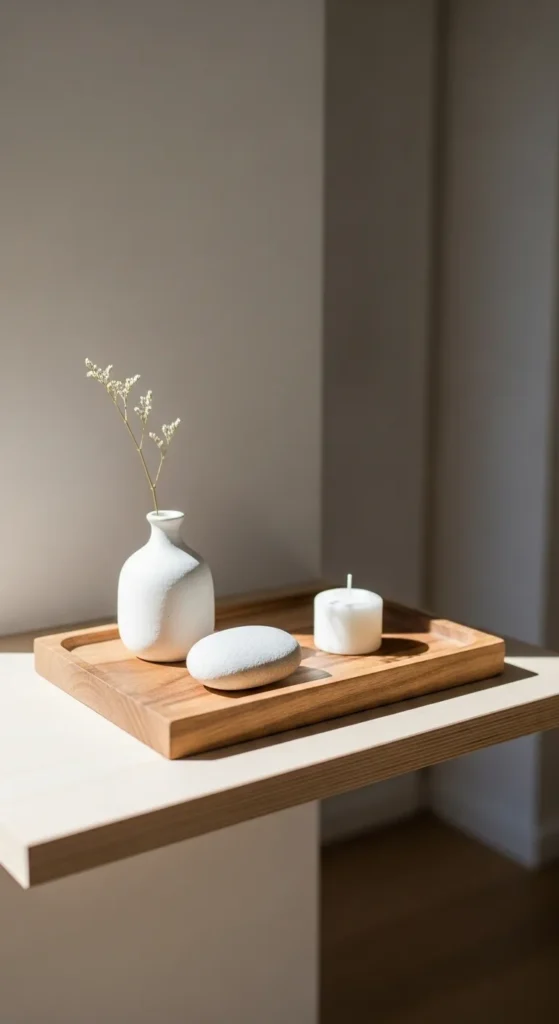
Small trays help contain items on shelves. Use them to group tiny objects.
Choose flat trays that don’t block sightlines. Wood or ceramic works well.
Place trays toward the center of shelves for balance.
This keeps shelves tidy while adding structure.
11. Vertical Book Styling Mix
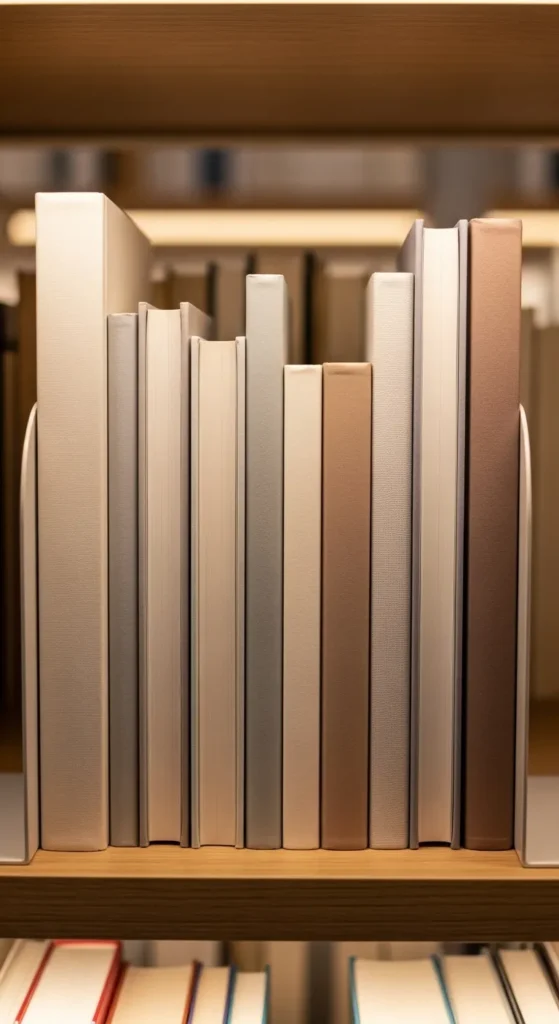
Mix vertical books with horizontal stacks for variety. Use simple bookends to keep lines clean.
Avoid overfilling. Leave gaps so shelves don’t feel crowded.
This adds rhythm to shelf styling without effort.
12. Decorative Bowls With Space
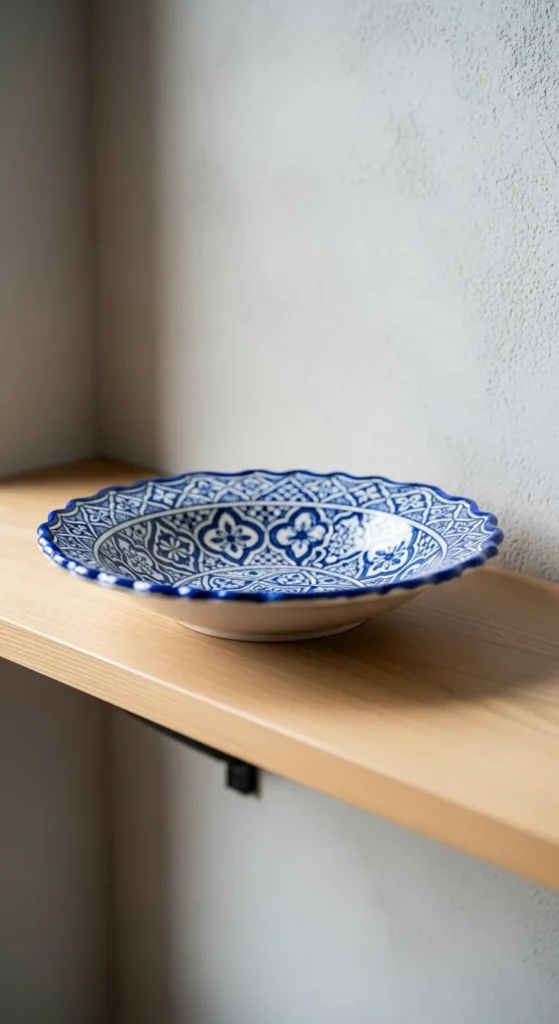
One bowl per shelf section is enough. Let it stand alone.
Use it to hold small items or leave it empty.
Negative space helps shelves feel styled rather than stuffed.
13. Soft Fabric Touch
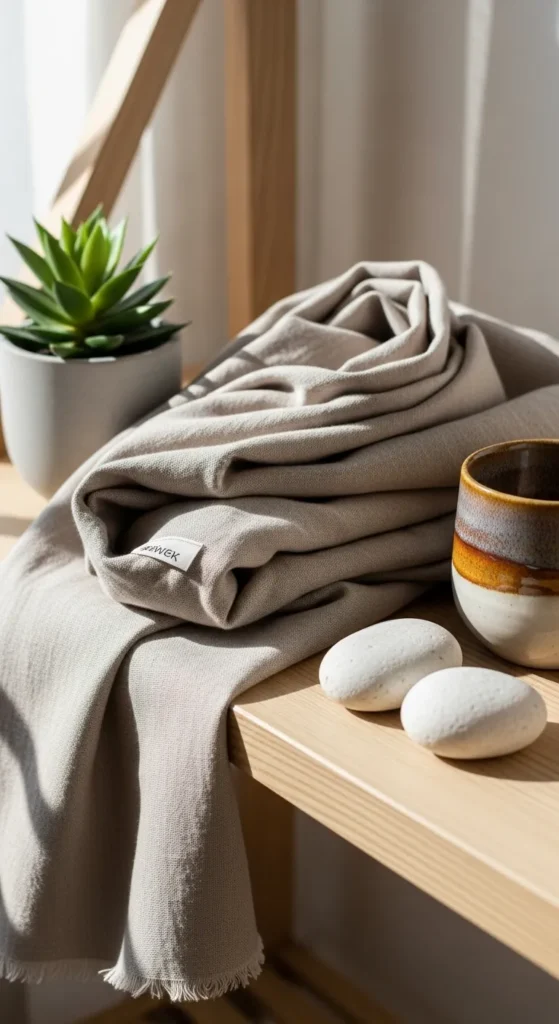
A folded linen or cotton napkin adds softness. Choose light tones.
Drape it casually. Avoid sharp folds.
This adds a relaxed feel without clutter.
14. Simple Sculpture Accent
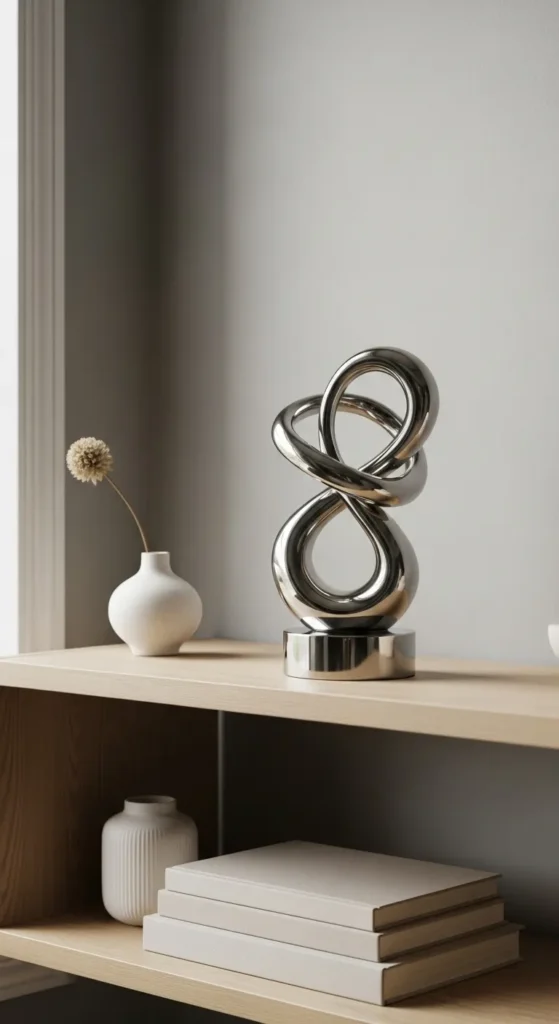
One small sculpture adds interest. Keep the shape simple.
Place it near books or greenery for contrast.
Limit sculptures to one or two total.
15. Odd Number Grouping Rule
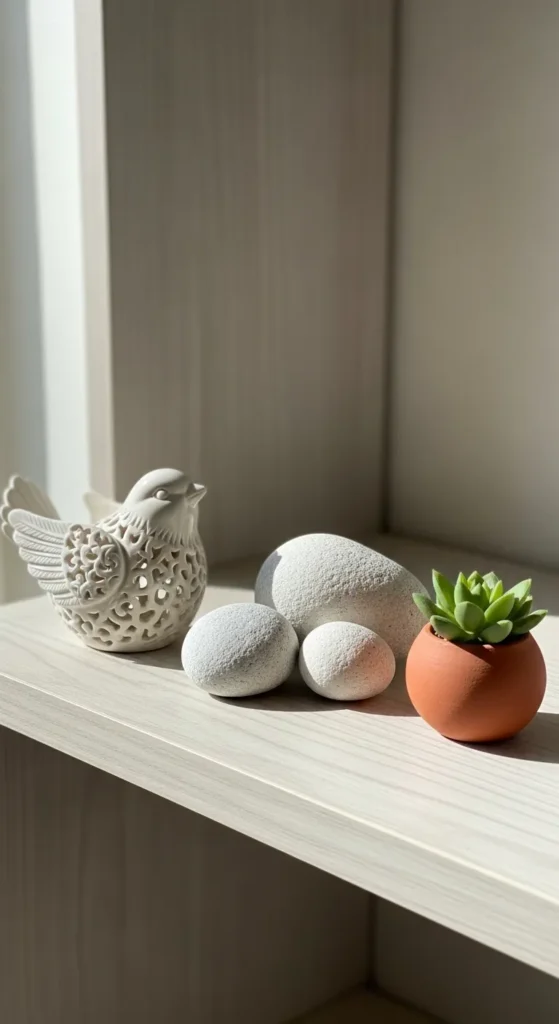
Groups of three often feel balanced. Mix heights and textures.
Keep spacing even. Avoid tight clusters.
This works for vases, books, or mixed objects.
16. Clear Glass Decor
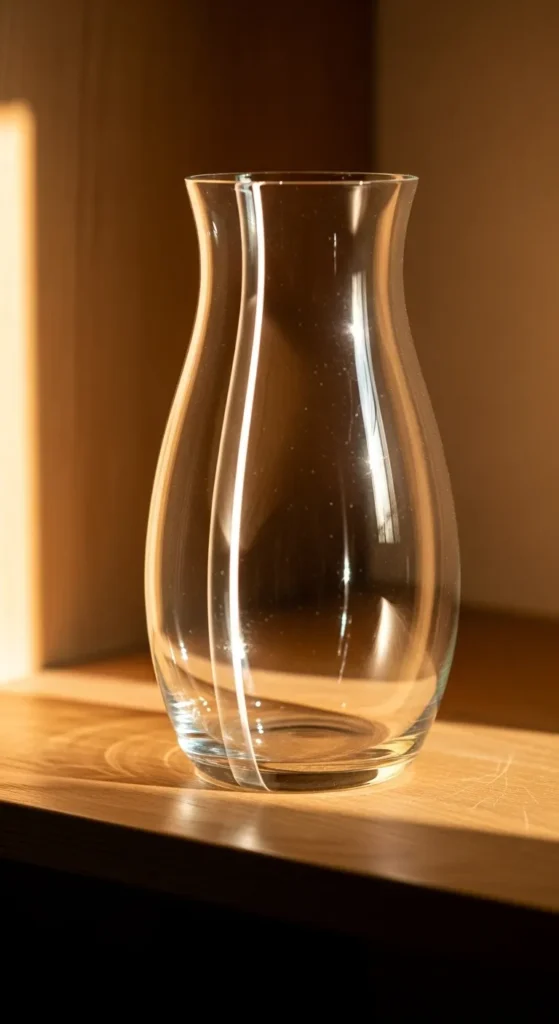
Glass decor keeps shelves feeling light. Use sparingly.
Pair glass with solid items for balance.
Clear pieces prevent shelves from feeling heavy.
17. Personal Photo Accent
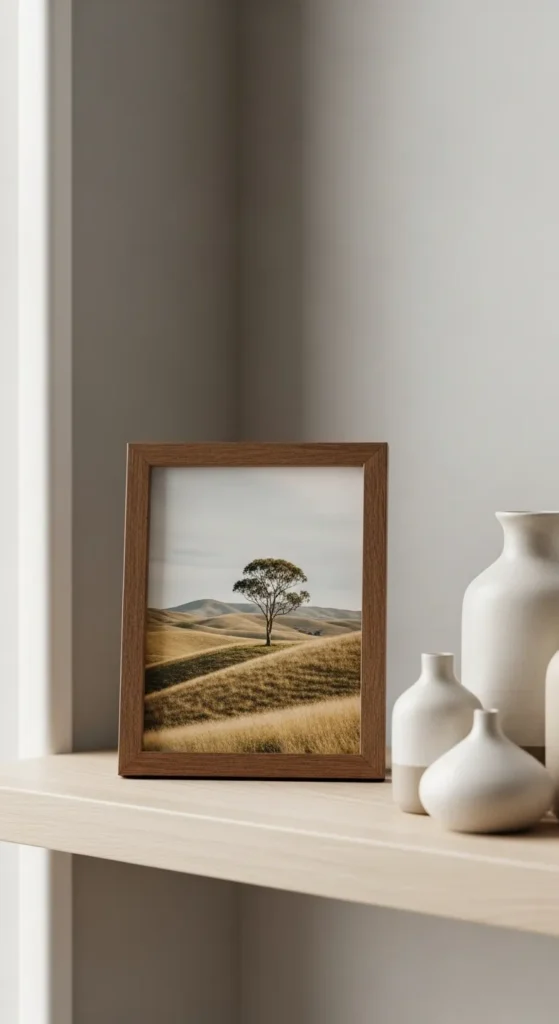
One personal photo adds warmth. Choose a simple frame.
Keep photos minimal so shelves stay calm.
Black and white photos work well.
18. Repeating Shape Motif
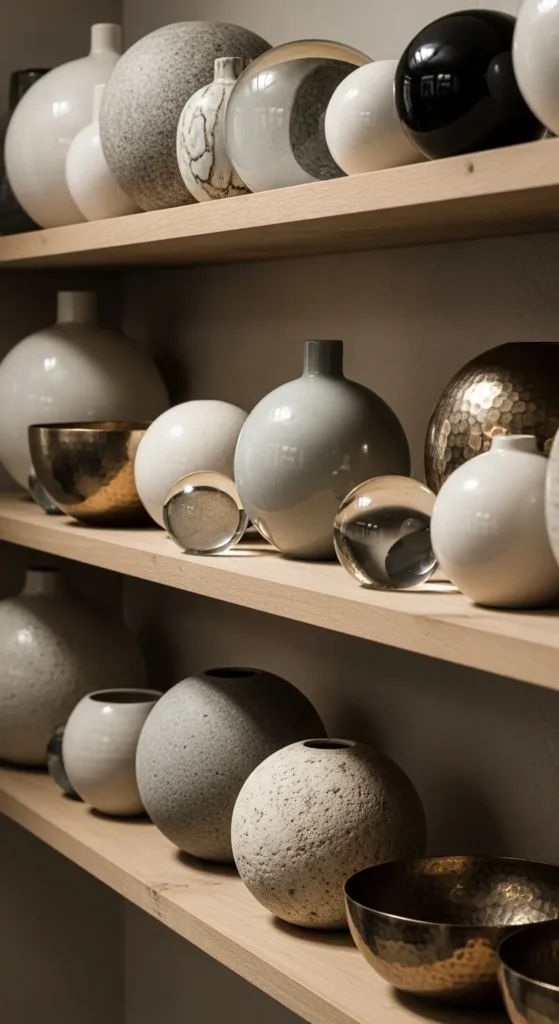
Repeating shapes create cohesion. Circles, arches, or rectangles work.
Use this idea subtly across shelves.
This helps styling feel intentional.
19. Low Greenery Trail
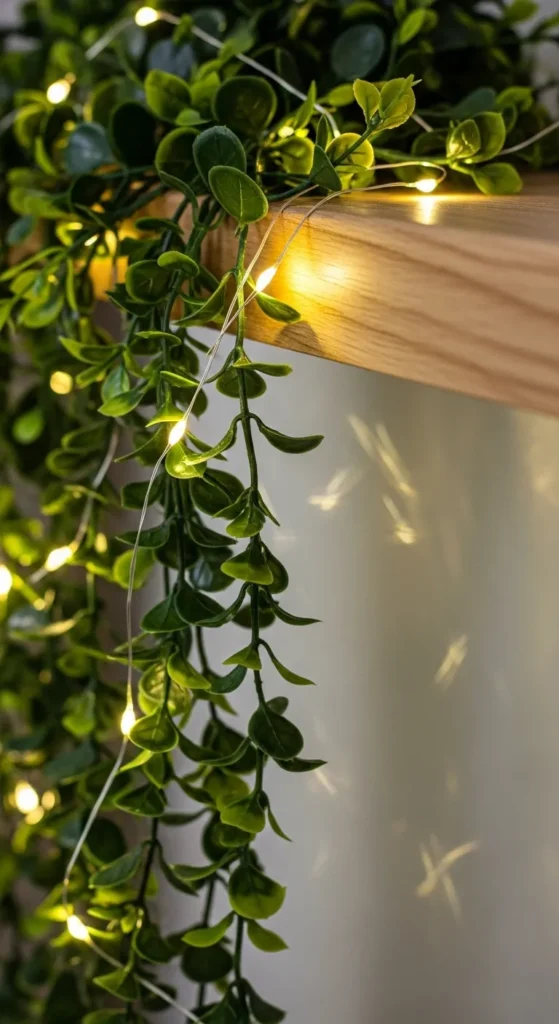
Short trailing plants soften shelf edges.
Keep trails short and neat.
This adds movement without clutter.
20. Simple Bookend Focus
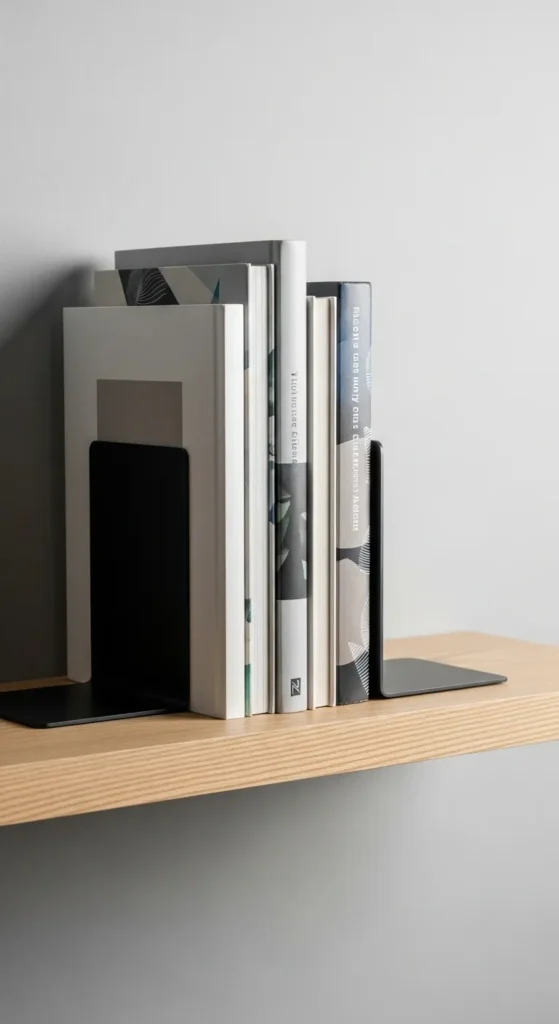
Bookends can act as decor. Choose simple designs.
Let them stand out by keeping surrounding items minimal.
This adds structure and style.
21. Light and Dark Contrast Touch
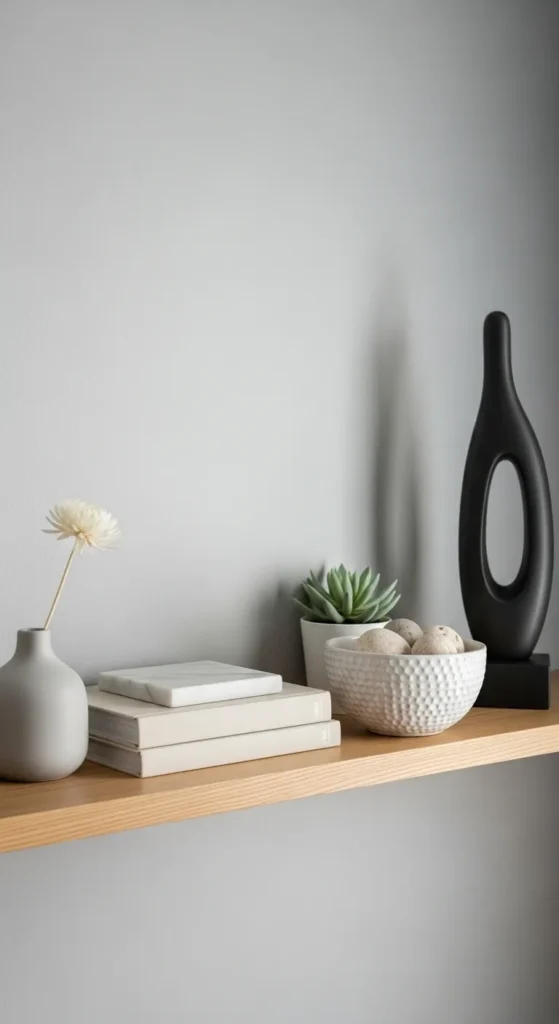
One darker item grounds lighter shelves.
Use sparingly to avoid heaviness.
This adds depth and balance.
22. Intentional Empty Space
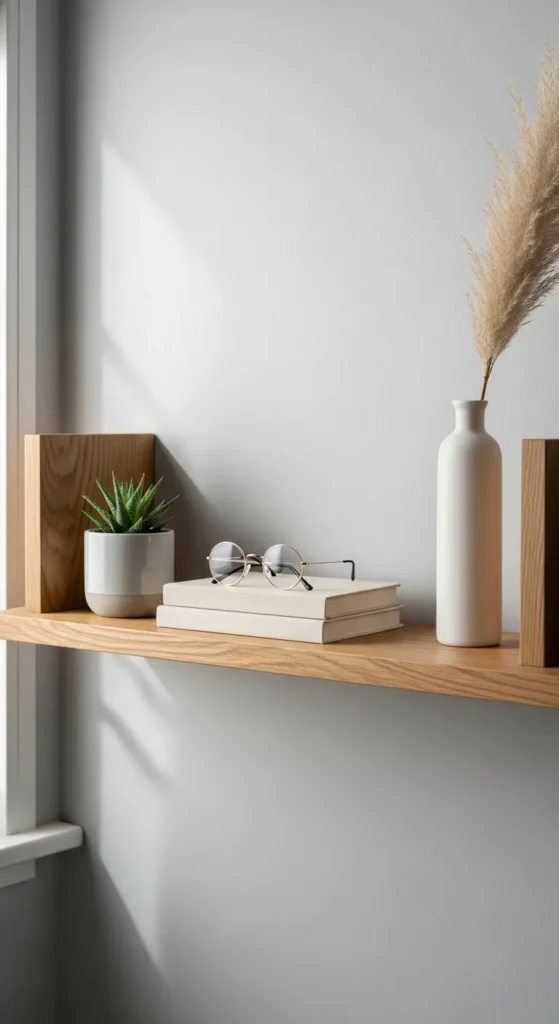
Empty space is part of styling. Not every shelf spot needs filling.
Step back and remove one item if shelves feel crowded.
This makes everything else look more polished.
Conclusion
Spring shelf styling doesn’t require a full makeover or expensive decor. Small adjustments, thoughtful spacing, and simple groupings can make shelves feel styled and relaxed at the same time. Use what you already have. Swap placements. Edit often. Save your favorite ideas and try one or two at a time. Over time, your shelves will naturally come together in a way that feels easy, personal, and pulled together.