

Accent furniture has a quiet superpower. One small piece can change how a room feels, without a full makeover or big budget. A handmade bench, side table, or stool adds character you just don’t get from mass-produced pieces. Even better, DIY accent furniture lets you control the size, color, and vibe so it fits your space perfectly.
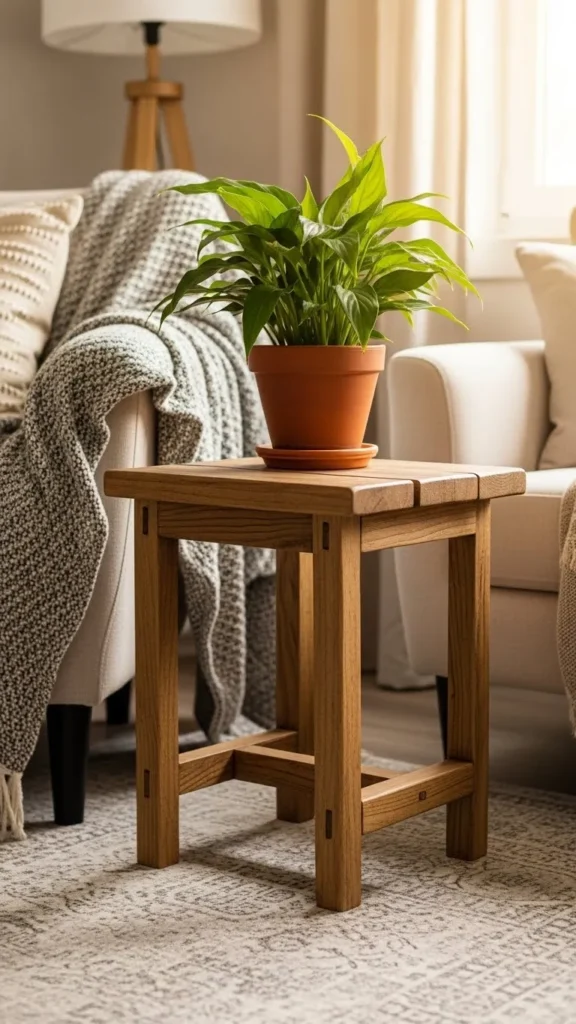
The best part? You don’t need a workshop or years of experience. With simple tools and smart design choices, you can build pieces that look intentional and stylish. Let’s break it down step by step.
Why DIY Accent Furniture Is Worth the Effort
Accent furniture works because it’s functional and decorative. DIY versions give you flexibility that store-bought items often lack.
Here’s why they’re so rewarding:
- You can customize the dimensions for tight or awkward spaces
- Materials are often cheaper than retail furniture
- Small projects build confidence fast
- Handmade pieces feel personal and one-of-a-kind
Accent furniture projects are also manageable. You’re not building a full sofa or dining table. You’re creating something small, useful, and high impact.
Think: side tables, stools, plant stands, benches, or slim console tables.
Start With the Right Project (Keep It Simple)
If you’re new to furniture building, the project choice matters more than the tools.
Good beginner-friendly accent furniture ideas include:
- A square or round side table
- A narrow entryway bench
- A cube stool or ottoman base
- A small plant stand
Avoid complex curves or hidden joints at first. Straight cuts and basic shapes lead to cleaner results and less frustration.
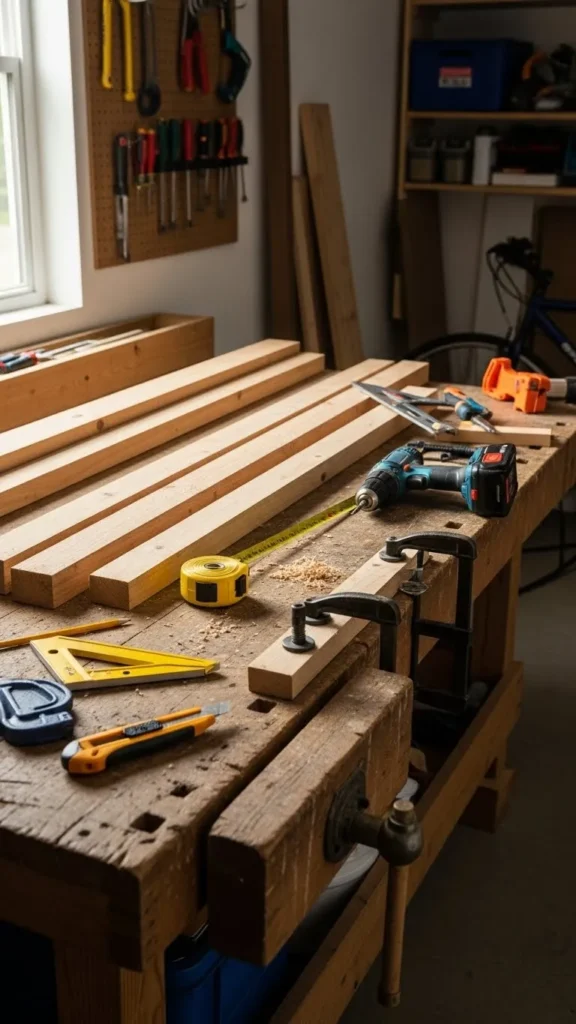
Tip:
Sketch your design or find a simple plan. Knowing your measurements before cutting saves time and materials.
Choose Materials That Look Better With Age
Accent furniture doesn’t need fancy materials to look good. In fact, simple materials often age better.
Great material options:
- Pine or spruce boards for budget builds
- Plywood with clean edges for modern designs
- Reclaimed wood for texture and warmth
- Hairpin legs or metal brackets for contrast
Focus on straight boards and smooth surfaces. Warped or rough lumber makes assembly harder and affects the final look.
Budget trick:
Use standard board sizes to avoid extra cuts and waste.
Build With Clean Lines and Strong Basics
The secret to stylish DIY furniture is solid construction. Clean lines always look more expensive.
Basic build tips:
- Measure twice before cutting
- Use wood glue and screws for strength
- Pre-drill holes to prevent splitting
- Clamp pieces while assembling
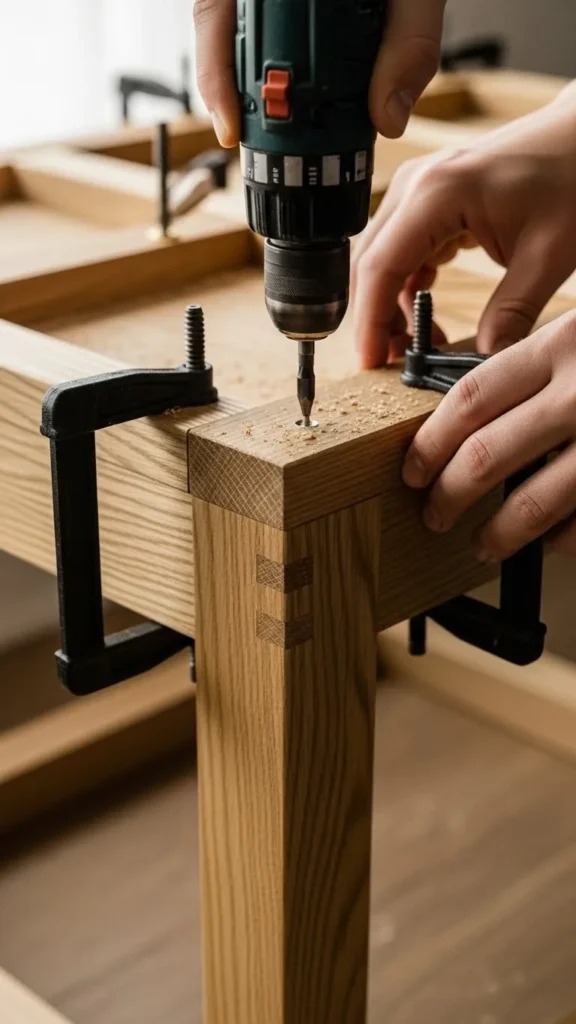
You don’t need advanced joinery. Simple butt joints can look polished when aligned carefully and finished well.
If legs are involved, make sure they’re level. A wobble-free piece instantly feels more professional.
Finish It Like a Designer Would
Finishing is where DIY furniture goes from “homemade” to “intentional.”
Popular finishing options:
- Light sanding and clear sealant for natural wood
- Soft neutral paint for modern interiors
- Dark stain for contrast in bright rooms
- Matte finishes for a calm, elevated look
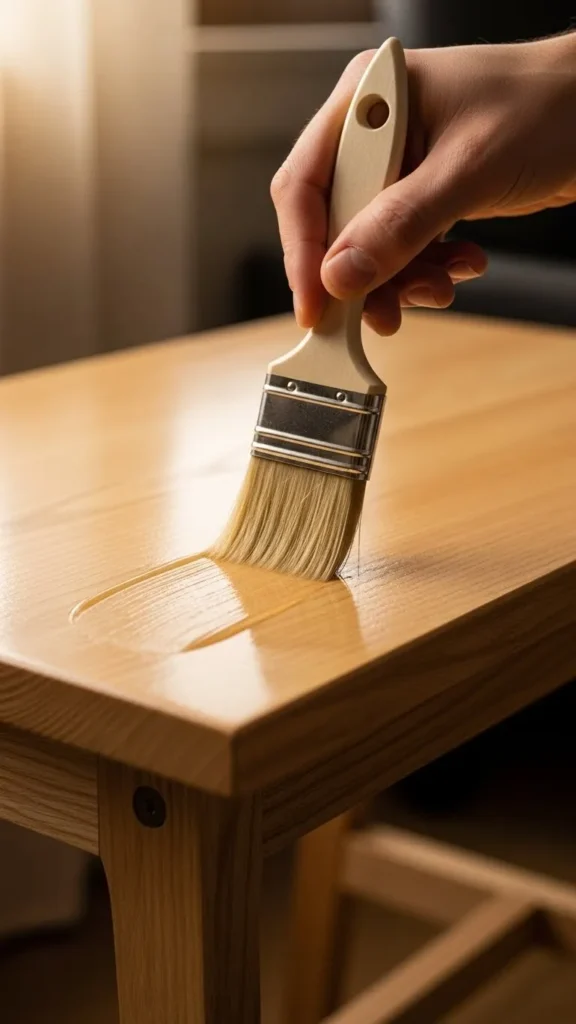
Sand between coats for a smooth touch. This step is simple but makes a huge difference in how the piece feels and photographs.
Style tip:
Match the finish to existing room tones instead of copying trends.
Style Your Accent Furniture for Maximum Impact
Once built, styling matters just as much as construction.
Easy styling ideas:
- One plant and one book stack
- A tray with a small object and candle
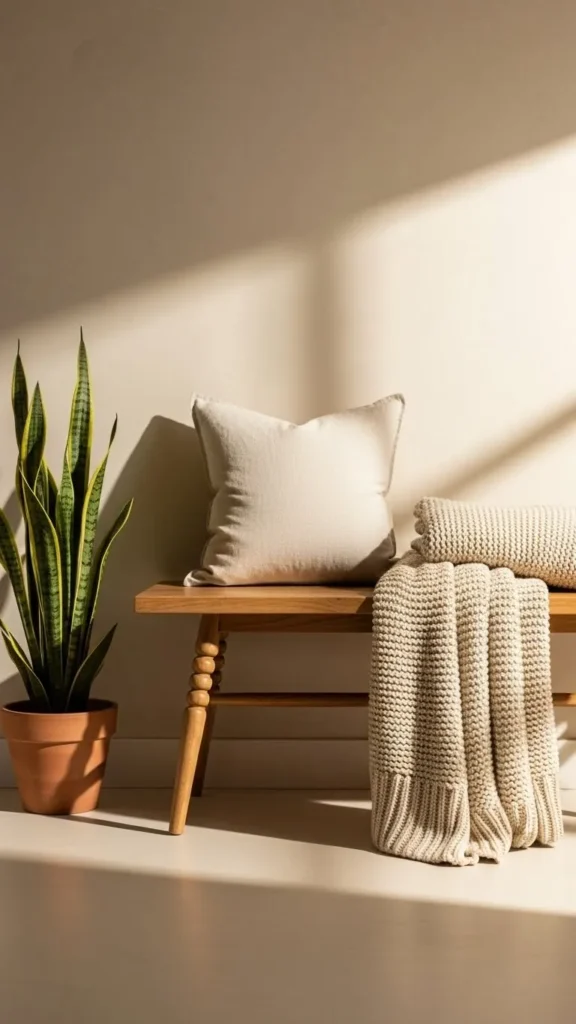
- A folded throw on a bench
- Negative space for a clean look
Less is more. Accent furniture should support the room, not overpower it.
Common DIY Mistakes to Avoid
Even simple projects can go sideways. Keep these in mind:
- Rushing measurements
- Skipping sanding steps
- Overdecorating the finished piece
- Choosing finishes that clash with the room
Take your time. Small projects still deserve care.
Final Takeaway
DIY accent furniture is one of the easiest ways to add style, function, and personality to your home. You don’t need advanced skills or expensive tools. Start small, build clean, finish thoughtfully, and style with intention.
Once you build one piece, you’ll start seeing opportunities everywhere.
Save this guide for later and start planning your first accent furniture project today.

Leave a Reply