Lighting can quietly make or break a space. The right glow makes rooms feel welcoming, balanced, and lived-in. The wrong lighting? It can flatten colors, create harsh shadows, or make even the best decor feel off. The good news is that choosing lighting doesn’t have to be complicated or expensive. With a few smart choices, you can make every room feel brighter, cozier, and more intentional.
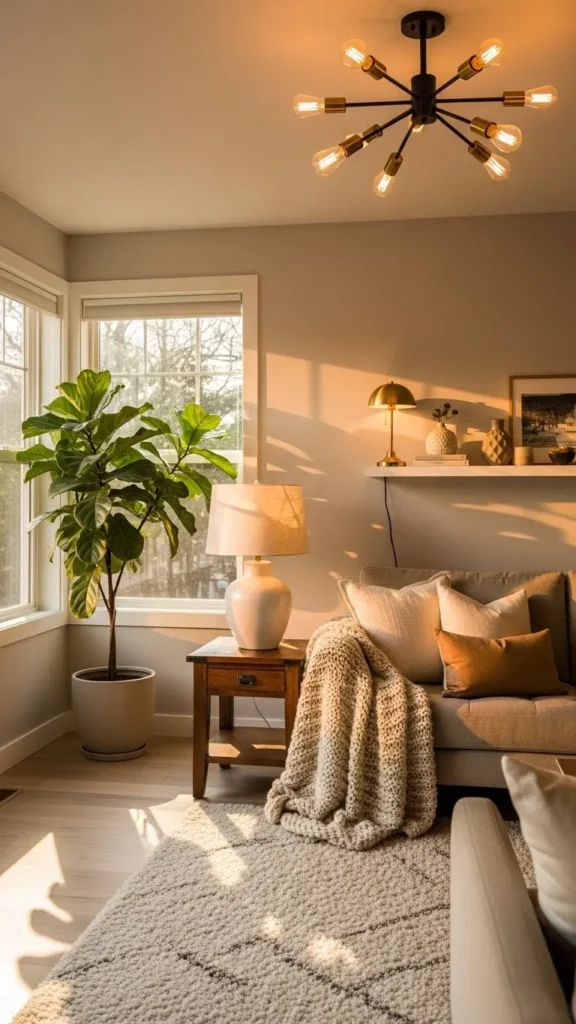
Start With the Purpose of the Room
Before shopping for fixtures or bulbs, pause and think about how the room is actually used. Lighting should support real life, not just look good in photos.
Ask yourself:
- Is this room for relaxing, working, or entertaining?
- Do you need bright light or a softer glow?
- Are there tasks that need focused lighting?
Quick room-by-room guidance:
- Living room: Flexible lighting for relaxing, reading, and hosting.
- Kitchen: Bright, even light for cooking and prep.
- Bedroom: Soft, calming light with optional task lighting.
- Bathroom: Clear, balanced lighting for daily routines.
- Home office: Bright, focused light that reduces eye strain.
When the function is clear, the lighting choices become much easier.
Understand the Three Types of Lighting
Great rooms almost always use a mix of lighting types. This layered approach adds depth and makes spaces feel complete.
1. Ambient Lighting
This is your main source of light. It fills the room and sets the overall tone.
Common options include:
- Ceiling fixtures
- Recessed lighting
- Flush or semi-flush mounts
2. Task Lighting
Task lighting is focused and practical. It helps you see clearly when doing specific activities.
Examples:
- Desk lamps
- Under-cabinet kitchen lights
- Vanity lights
- Bedside lamps
3. Accent Lighting
Accent lighting adds mood and highlights special features.
Think:
- Wall sconces
- Picture lights
- Floor lamps
- LED strips on shelves
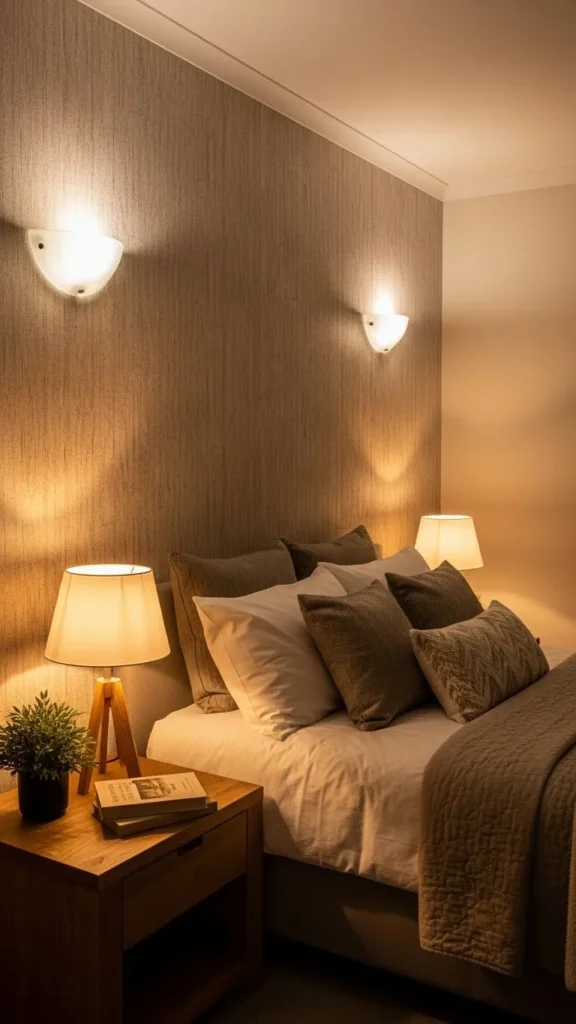
Using all three types together makes a room feel intentional instead of flat.
Choose the Right Light Temperature
Light color has a huge impact on how a room feels. Even the same fixture can look completely different depending on the bulb.
Common temperature ranges:
- Warm light (2700K–3000K): Cozy and inviting. Ideal for living rooms and bedrooms.
- Neutral light (3500K–4000K): Clean and balanced. Works well in kitchens and bathrooms.
- Cool light (5000K+): Bright and energizing. Best for workspaces or garages.
Tip: Stick to one temperature per room. Mixing warm and cool bulbs can make a space feel mismatched.
Match Fixtures to Your Room’s Style
Lighting fixtures are functional, but they’re also decor. Choosing styles that fit your space helps everything feel cohesive.
Style matching tips:
- Minimal rooms pair well with simple, clean-lined fixtures.
- Traditional spaces shine with classic shapes and soft finishes.
- Modern interiors benefit from sculptural or geometric designs.
- Cozy or rustic rooms love warm metals and textured shades.
You don’t need every fixture to match exactly. Aim for a shared finish or similar design feel.
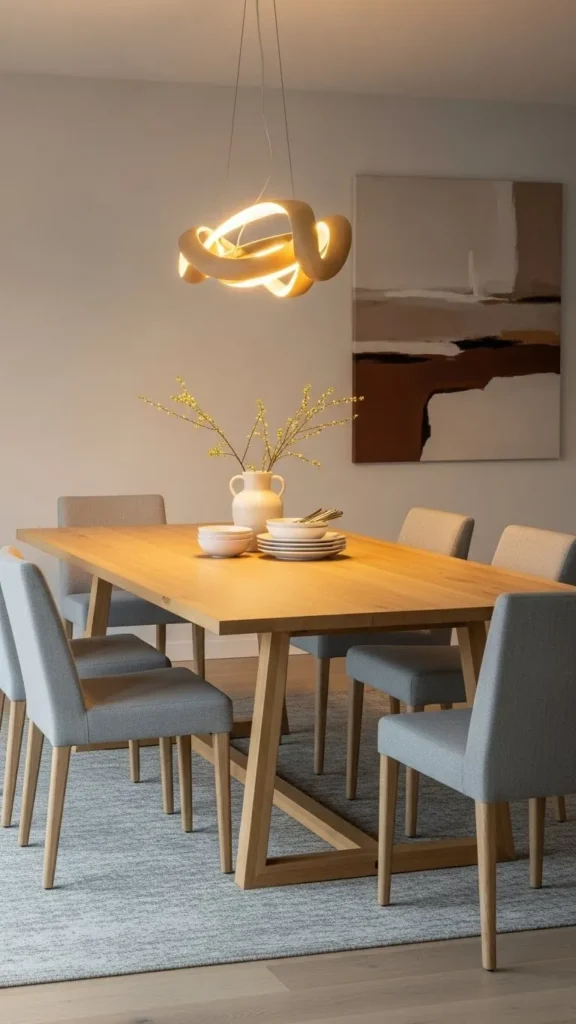
Use Lighting to Shape the Room
Lighting can visually change how a room feels, even without moving furniture.
Try these tricks:
- Make small rooms feel larger: Use wall sconces or uplighting to draw the eye upward.
- Lower high ceilings: Choose pendant lights or chandeliers that bring light closer to eye level.
- Highlight features: Add accent lighting to artwork, plants, or architectural details.
- Create zones: Use lamps to define seating or reading areas.
These small adjustments add depth and purpose without major changes.
Don’t Forget Dimmers and Controls
Dimmers are one of the easiest upgrades you can make. They instantly add flexibility and mood control.
Benefits of dimmers:
- Adjust brightness throughout the day
- Create cozy evening lighting
- Reduce glare and eye strain
- Extend bulb life
If dimmers aren’t an option, using multiple lamps instead of one overhead light can create a similar effect.
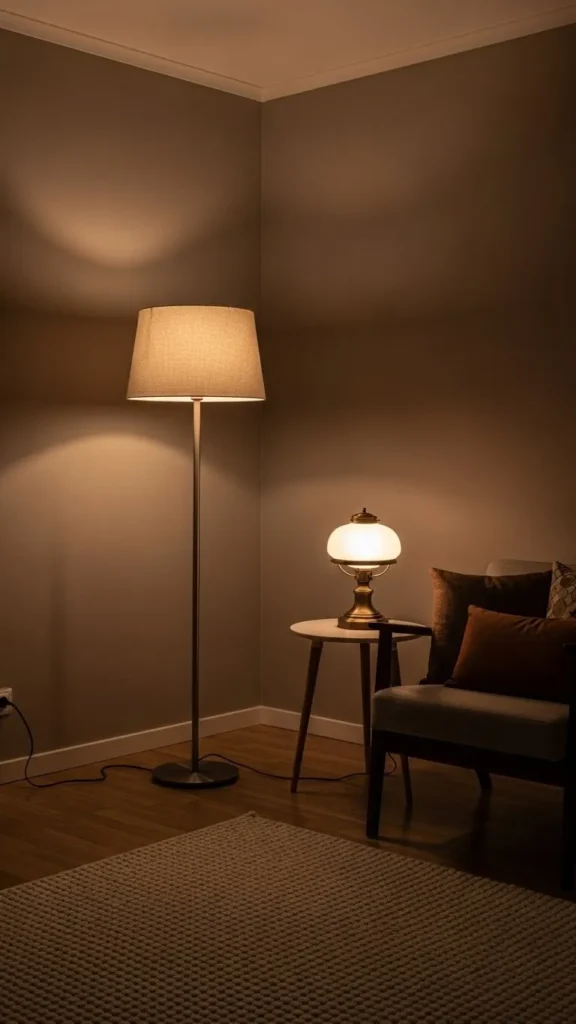
Test Before You Commit
Lighting can look different once installed. Before committing fully:
- Test bulbs in the room where they’ll be used
- Check how light looks during day and night
- Notice shadows, glare, and reflections
Taking a little extra time here prevents costly mistakes later.
Final Takeaway
Choosing lighting that enhances every room is about balance, not perfection. Focus on how you use each space, layer different light sources, and pick temperatures that feel comfortable. Thoughtful lighting brings out the best in your home and makes everyday moments feel better.
Save this guide for later and use it as you update each room, one light at a time.