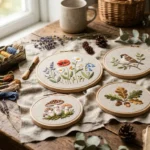
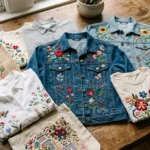
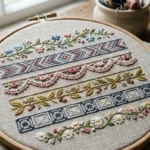
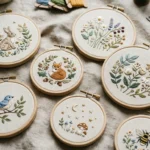
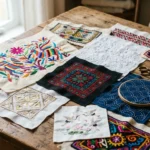
A calm stitching routine often begins with simple hand embroidery patterns that feel light, relaxing, and fun to follow. Many beginners and hobby crafters look for ideas that do not feel overwhelming or time heavy. These patterns focus on easy shapes, soft designs, and repeatable stitches that work well on fabric, tote bags, pillow covers, or small hoops. You can start with basic tools, low-cost thread sets, and recycled fabric scraps. Each idea below helps build confidence while keeping the process slow and enjoyable. No complex rules, just steady stitching and creative flow.
1. Tiny Daisy Chain Pattern
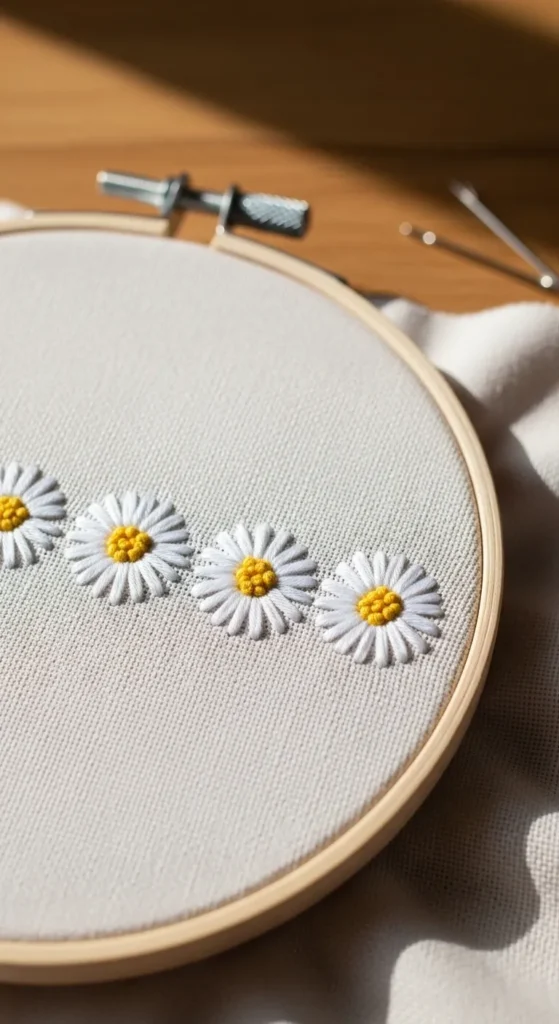
Small daisy chains are beginner friendly and calm to stitch. The pattern uses simple petal loops around a tiny center dot. You can place them in rows across fabric edges or corners. White thread works well, but pastel shades also look soft. A cheap cotton fabric scrap and a basic embroidery hoop are enough to start. Stitch slowly, keeping petals similar in size. Small imperfections give a handmade feel. This pattern suits pillowcases, tote bags, or handkerchief edges. It works well as a first practice design because repetition builds muscle memory. You can space daisies close for a dense look or wide for a light airy style. A few strands of thread give fine detail without bulk.
2. Minimal Leaf Sprig Design

Leaf sprigs bring a soft natural look without complexity. Each sprig uses a central line with small side leaves. Straight stitches or lazy daisy stitches work well here. Green thread in two shades adds gentle depth. This pattern fits well on shirt pockets, table napkins, or tote corners. Start with a light pencil sketch on fabric. Keep leaf shapes small and spaced evenly. No need for perfect symmetry. Budget-friendly thread packs from local craft shops work fine. A single sprig can stand alone or repeat across fabric edges. This design suits quiet stitching sessions because it uses simple hand movement and repeating steps. It is also a good pattern for practicing stitch direction control.
3. Simple Heart Outline Stitch
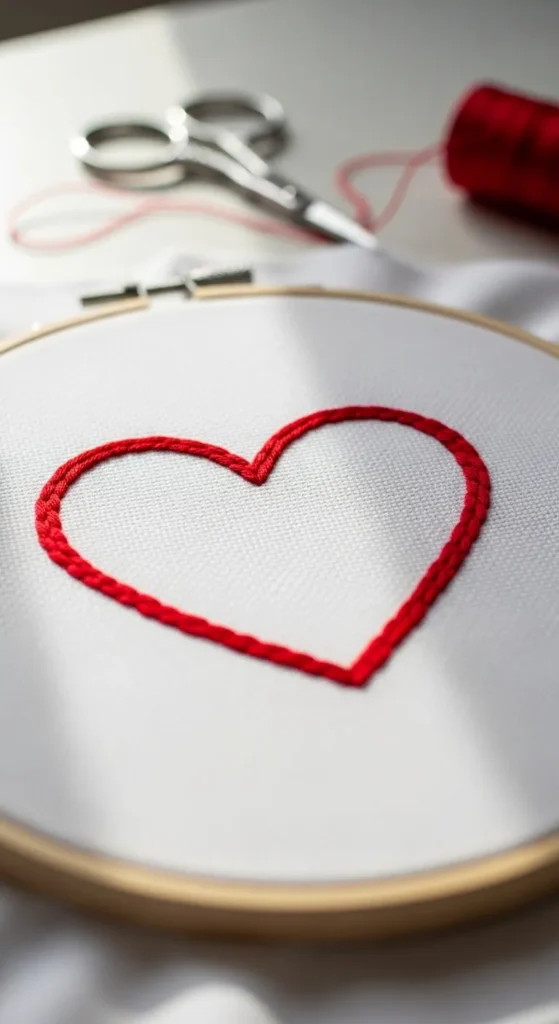
Heart outlines are quick and relaxing to create. A simple backstitch forms the shape. Red or pink thread works well, but any color can be used. Draw a light heart guide using pencil before stitching. Keep stitch spacing small for smooth curves. This design fits gifts, small fabric patches, or notebook covers. It takes little time and uses minimal thread. You can repeat hearts in different sizes for pattern variation. A beginner can complete this within a short session. Fabric scraps from old clothing also work well, keeping cost low. This design suits anyone looking for light stitching practice without pressure.
4. Tiny Star Scatter Pattern
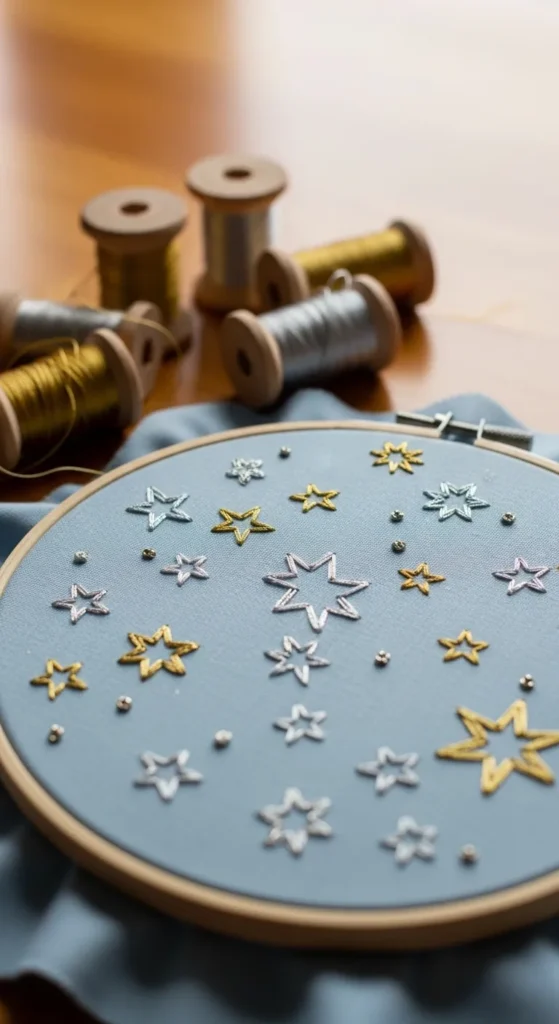
Tiny stars scattered across fabric create a soft night-sky effect. Each star uses straight stitches crossing at the center. White or light yellow thread works best. You can space stars evenly or randomly depending on style. This pattern suits pillow covers, wall hoops, or small fabric patches. It is simple enough for beginners and helps practice straight stitch control. Keep thread tension light for neat shapes. A cheap fabric piece and basic hoop are enough tools. You can also mix star sizes for variation. This design feels calm and suits slow stitching sessions.
5. Single Flower Stem Design
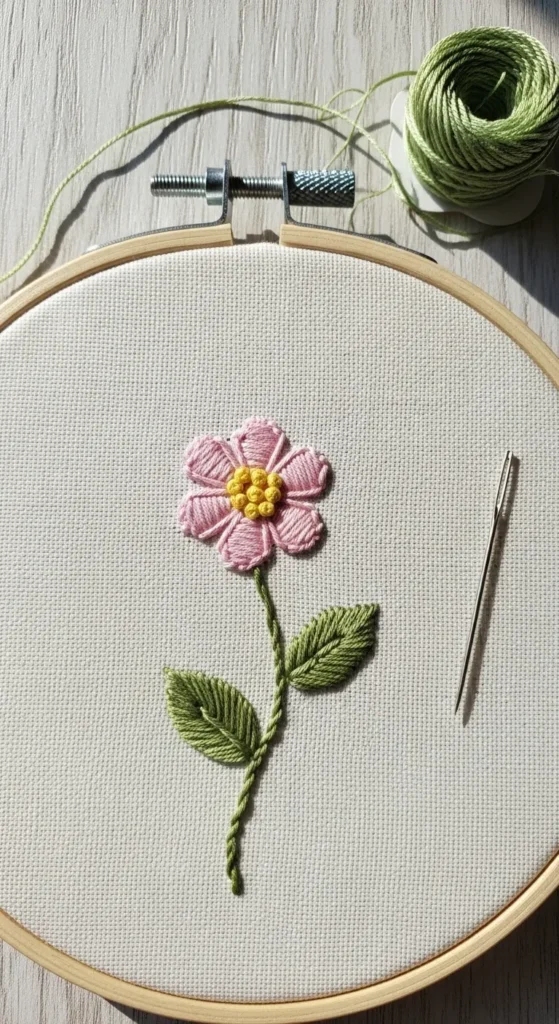
A single flower stem keeps stitching simple and focused. The flower can be made using satin stitches or lazy daisy petals. The stem uses a thin straight stitch line. Yellow, pink, or lavender threads work well. This pattern is good for beginners learning shape balance. Place it on corners of fabric items like hand towels or shirts. A small sketch helps guide placement. Keep petals even in size but do not stress over perfection. This design uses very little thread, making it budget friendly. It also builds confidence in combining different stitch types in one small piece.
6. Polka Dot Stitch Pattern
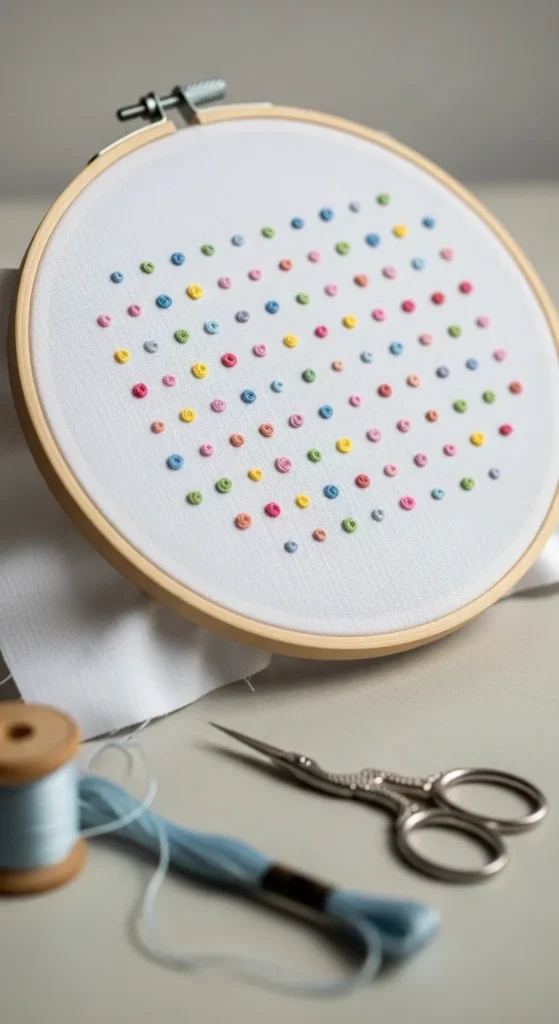
Polka dot patterns are simple and relaxing. Each dot is created using a small French knot or straight stitch. You can space them evenly or randomly. Single-color thread keeps the look clean, while mixed colors add fun variation. This design works well on bags, collars, and cushion covers. It is beginner friendly and requires little planning. Fabric scraps or old cotton cloth are enough to practice. The repetitive motion of stitching dots creates a steady rhythm. This pattern is also useful for practicing knot consistency if using French knots.
7. Small Sunburst Pattern
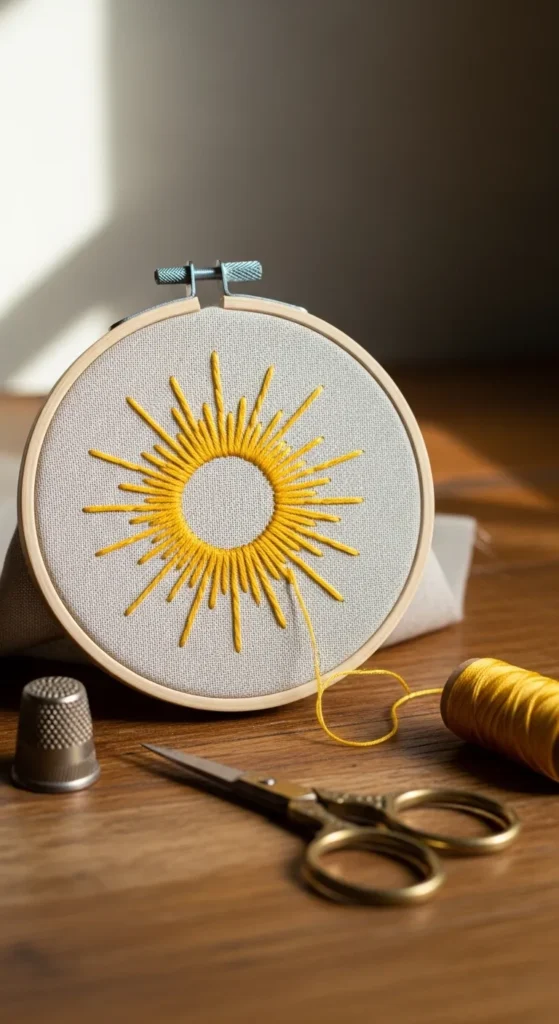
Sunburst designs use short straight stitches radiating from a center point. Yellow thread creates a warm look. The center can be a small knot or bead-like stitch. This pattern works well for fabric corners or small hoop art. It is easy to follow and builds control over stitch direction. Keep rays short for neat shape. A simple fabric and hoop setup is enough. This design also works for kids’ crafting due to its simplicity. It brings a cheerful look without complex steps.
8. Wave Line Stitch Pattern
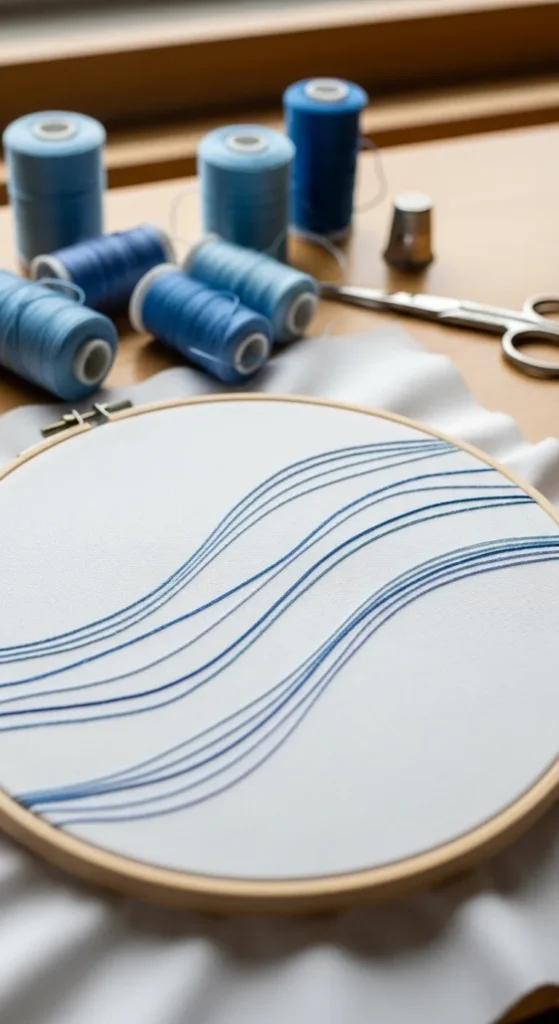
Wave lines are smooth and calming to stitch. Use running stitch or backstitch to form flowing curves. Blue or teal thread gives a water-like effect. This pattern is great for borders or abstract fabric decoration. It helps improve hand control for curved lines. Keep spacing even but relaxed. Fabric scraps or cotton cloth work well. This pattern is budget friendly and uses minimal thread. It also works well combined with other small motifs like stars or fish shapes.
9. Tiny Berry Cluster
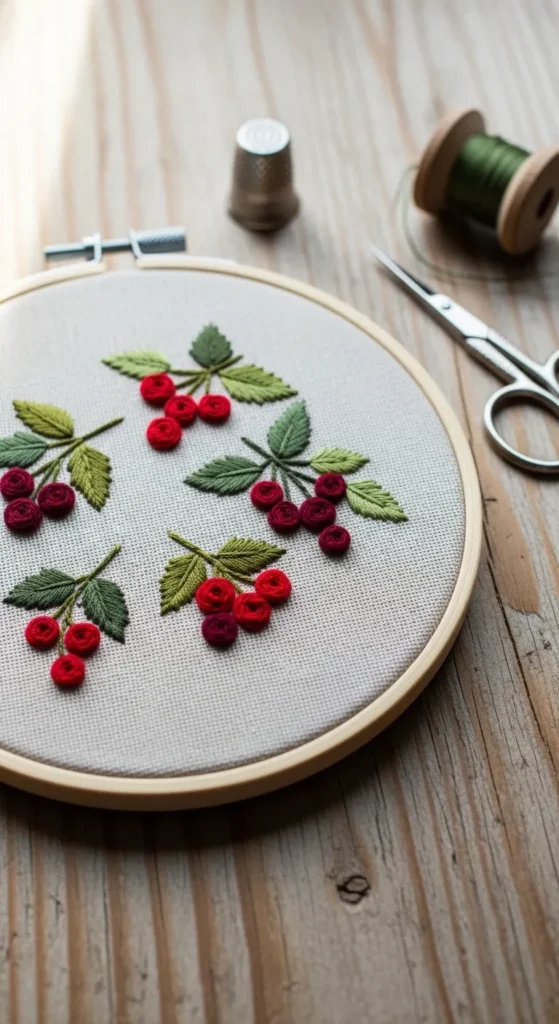
Berry clusters use small circular stitches for berries and simple lines for stems. Red thread forms berries, green thread forms leaves. This pattern looks decorative yet remains simple. It suits napkins, tote bags, or hoop art. Beginners can easily repeat berry groups across fabric. Keep clusters small for neat look. A low-cost thread set is enough. Light pencil sketching helps guide placement. This pattern builds confidence in combining colors.
10. Simple Zigzag Border
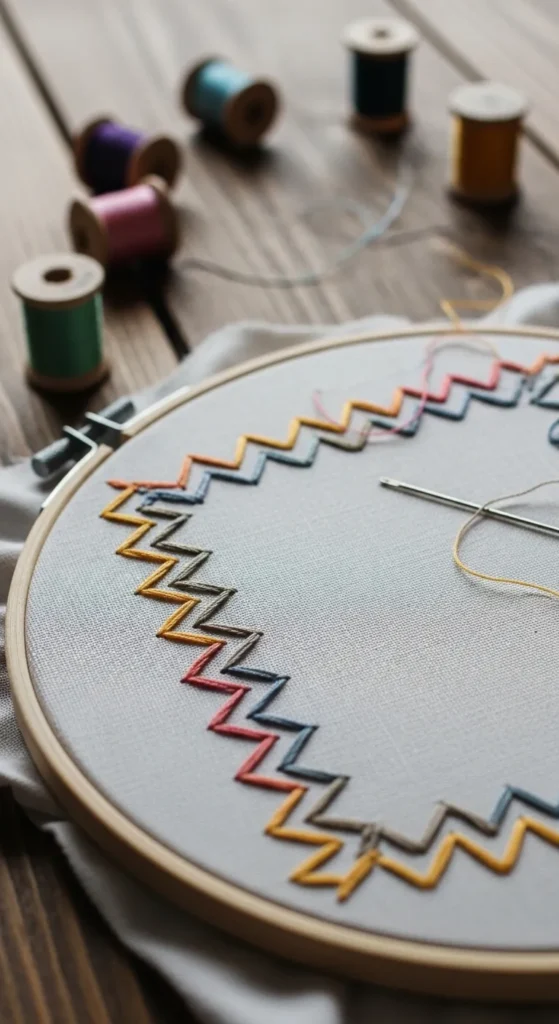
Zigzag borders use straight stitches placed in angled direction. This pattern is useful for fabric edges or hems. One or two thread colors work best. It is quick to stitch and beginner friendly. Keep angles even but not rigid. This design is useful for decorating plain cloth items. It uses minimal planning and gives a neat frame effect.
11. Mini Mushroom Pattern
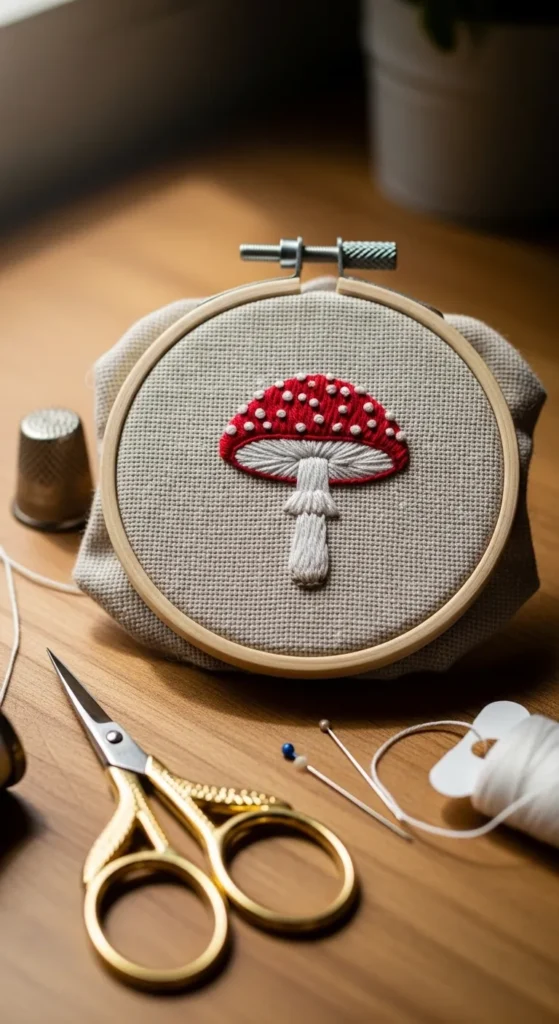
Mini mushrooms use simple shapes: rounded cap and straight stem. Red thread with white dots creates a classic look. Stem uses straight stitches. This pattern is fun and easy for beginners. It works well on fabric patches or small hoops. Keep shapes soft and simple. A pencil sketch helps placement.
12. Tiny Crescent Moon
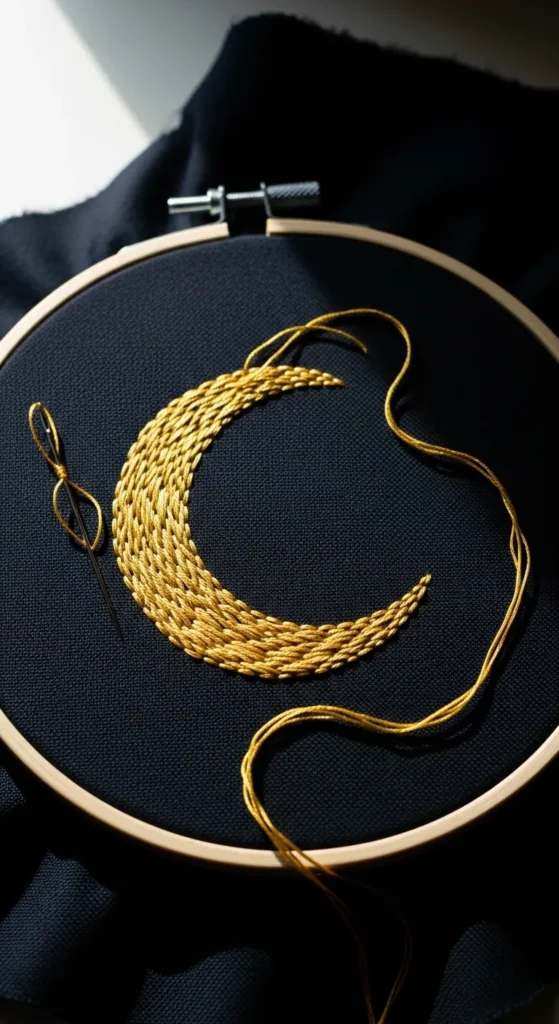
Crescent moon designs use curved outline stitches. Gold or yellow thread works well. This pattern is simple and relaxing. It suits night-themed fabric projects. Keep curve smooth using small stitches. It can be paired with stars for a night sky theme.
13. Basic Cross Pattern Grid
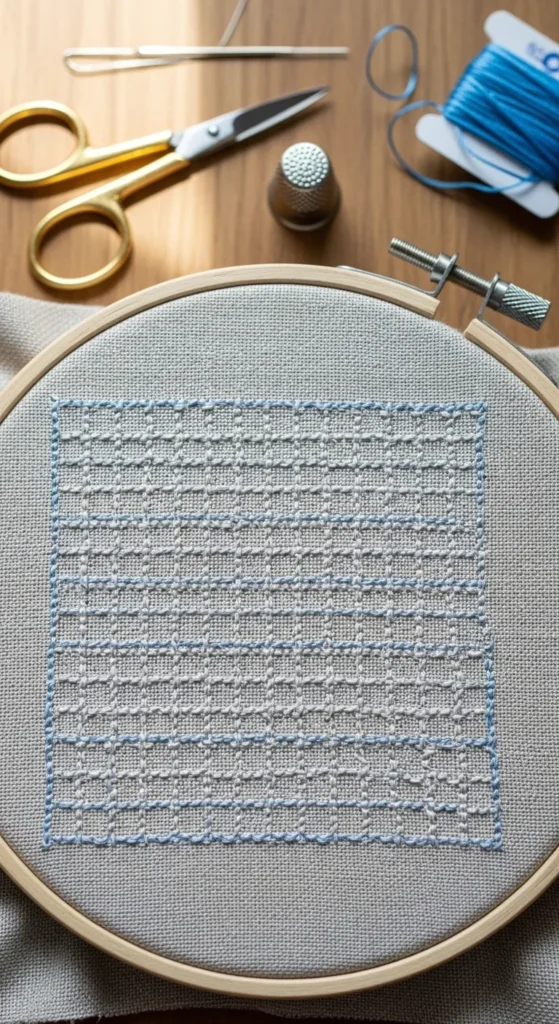
Cross stitch grids are structured but simple. Each cross uses two diagonal stitches. You can repeat rows for a neat pattern. This is good for learning consistency. Use light-colored fabric and contrasting thread.
14. Small Raindrop Pattern
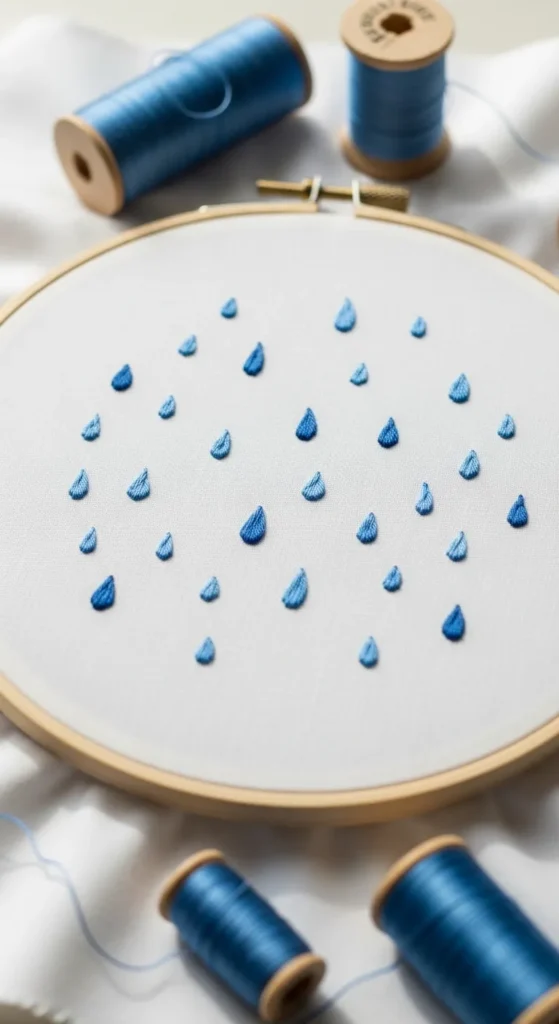
Raindrops are stitched using teardrop shapes or small straight lines. Blue thread gives a soft rainy feel. This pattern is easy and calming. It suits small decorative patches.
15. Simple Spiral Motif
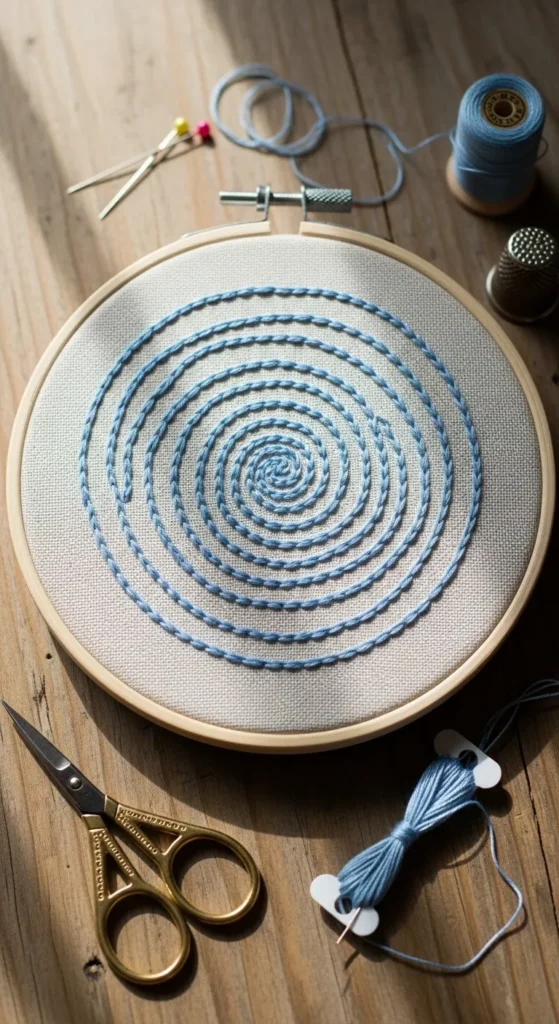
Spiral motifs use continuous curved stitches. They create a flowing design. This pattern helps practice smooth hand movement. It works well on fabric corners or center designs.
16. Tiny Tulip Buds
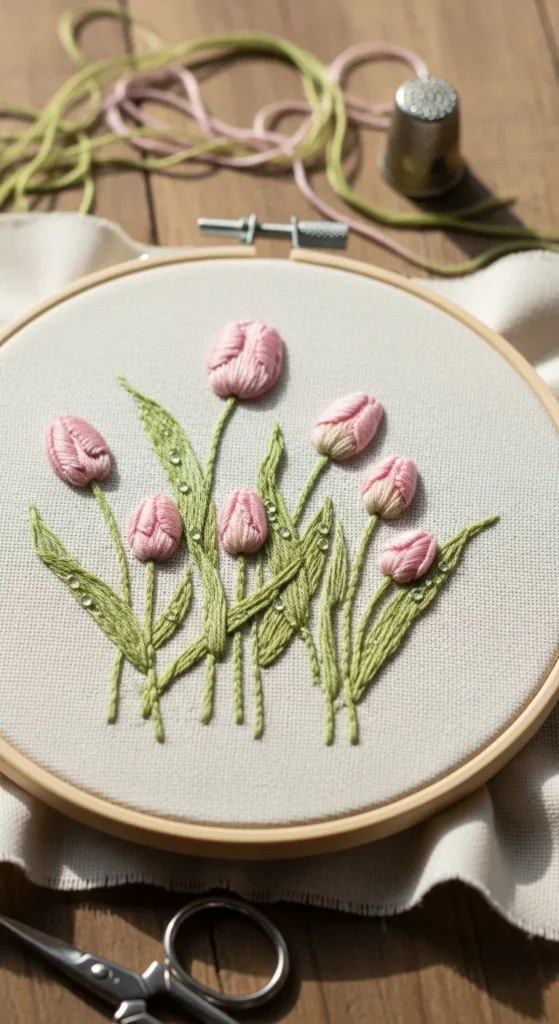
Tulip buds use small oval shapes for petals and straight stems. Pink thread works well. This pattern is simple and decorative.
17. Simple Square Frame Border
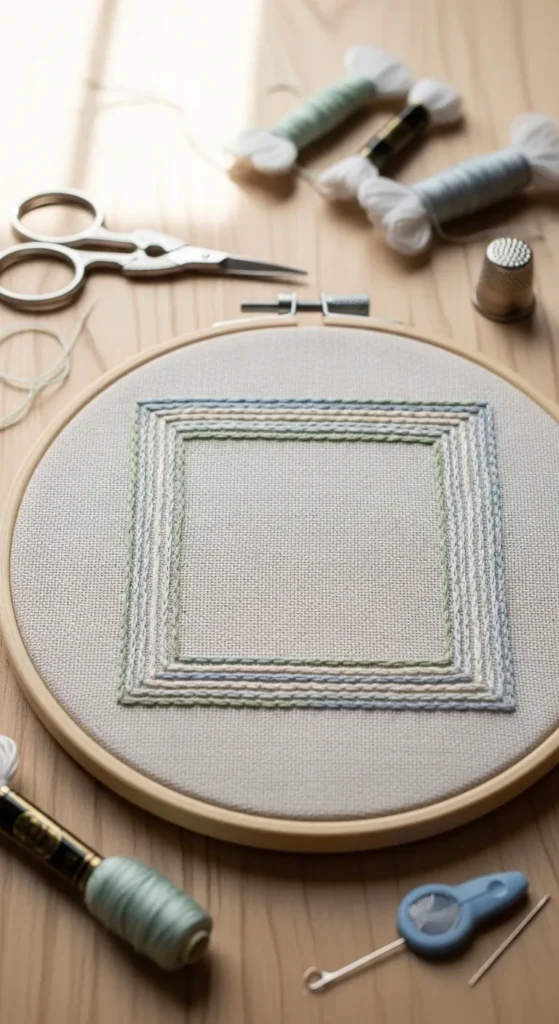
Square frames outline fabric edges using straight stitches. This design helps practice clean lines and corner turns.
18. Tiny Bee Outline
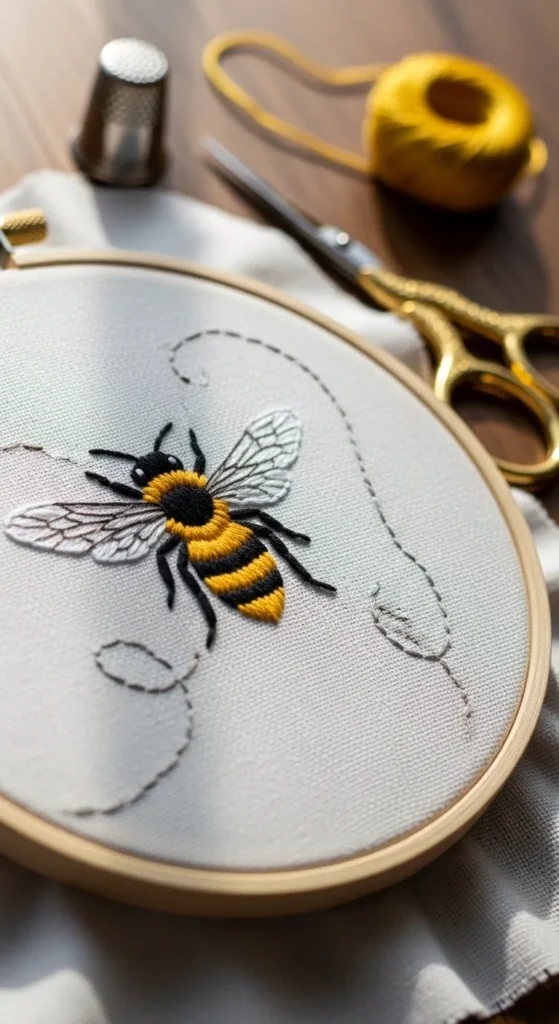
Bee outlines use simple oval body and wing shapes. Yellow thread with black stripes creates contrast. This pattern is fun and beginner friendly.
19. Simple Vine Curve
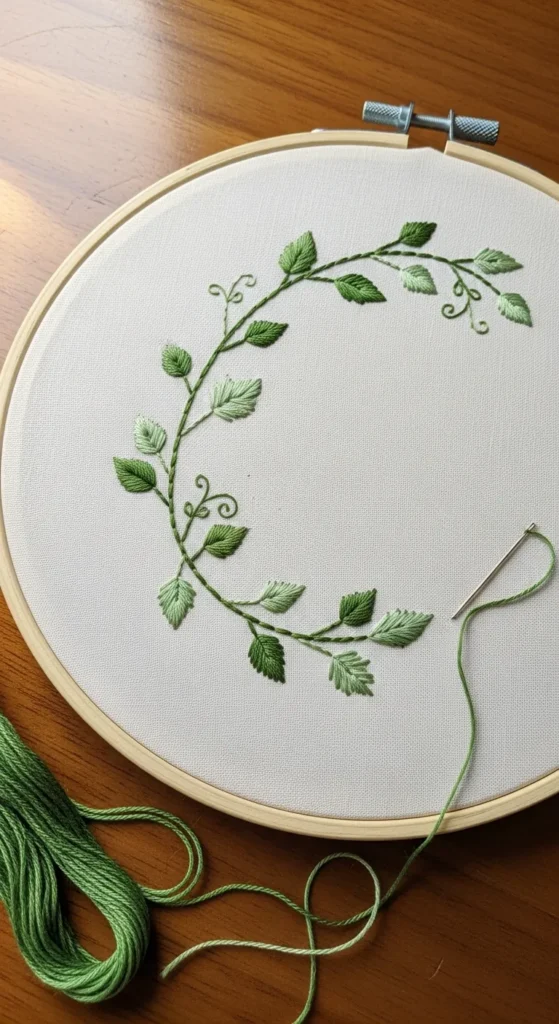
Vine curves use flowing lines with small leaf additions. This pattern works well for borders and corners.
20. Tiny Cloud Shapes
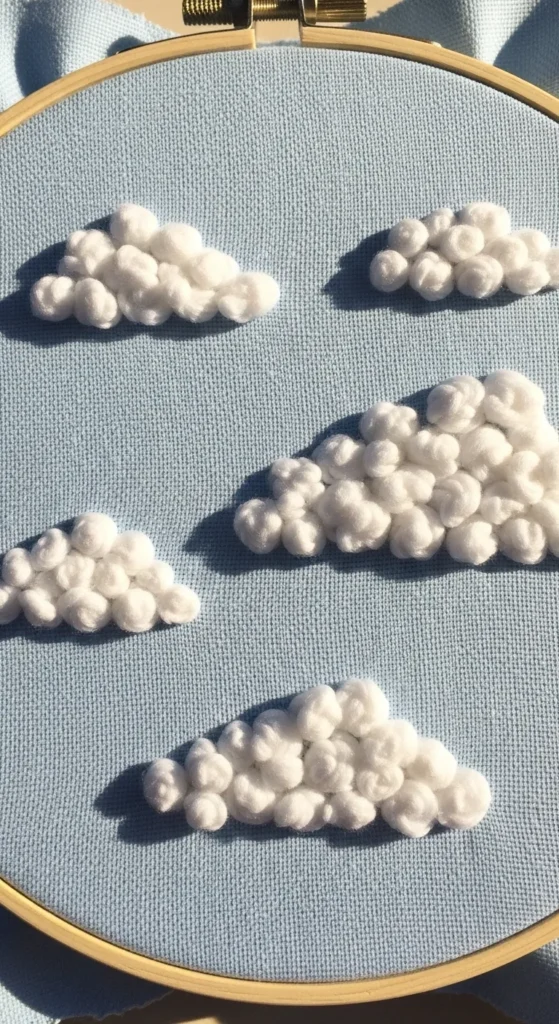
Cloud shapes use rounded stitches forming soft edges. White thread blends well with sky tones.
21. Simple Diamond Grid
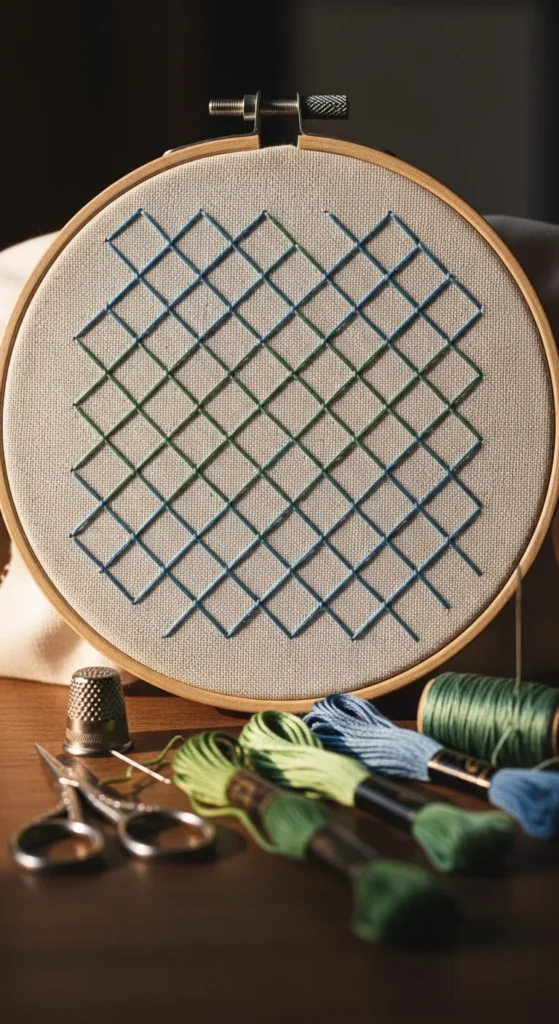
Diamond grids use straight stitches crossing diagonally. This pattern builds stitch consistency.
22. Small Sunflower Center
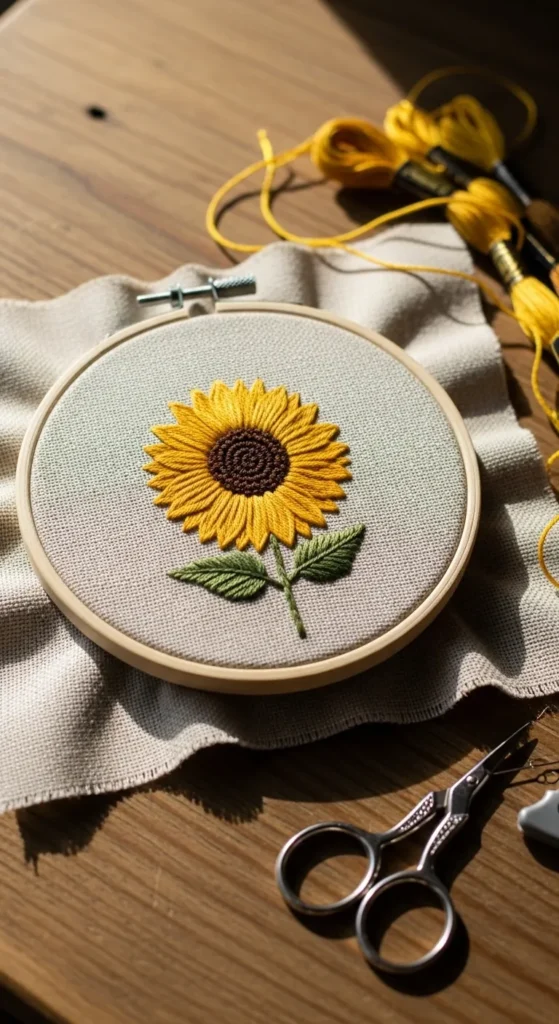
Sunflower centers use layered petals with simple stitching. Yellow thread gives bright contrast.
23. Tiny Arrow Pattern
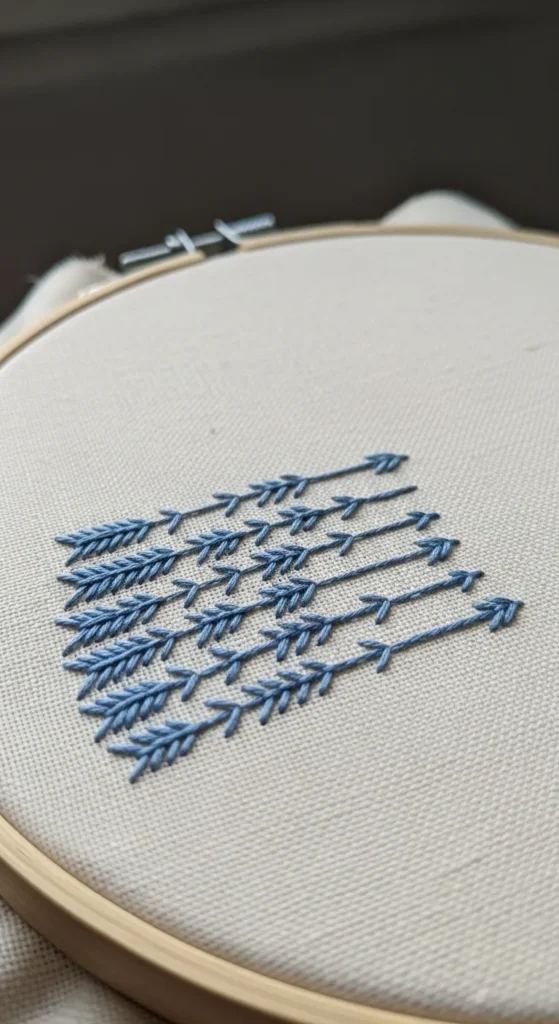
Arrow patterns use straight lines and triangles. This design is easy and modern in style.
24. Simple Wave Border Line
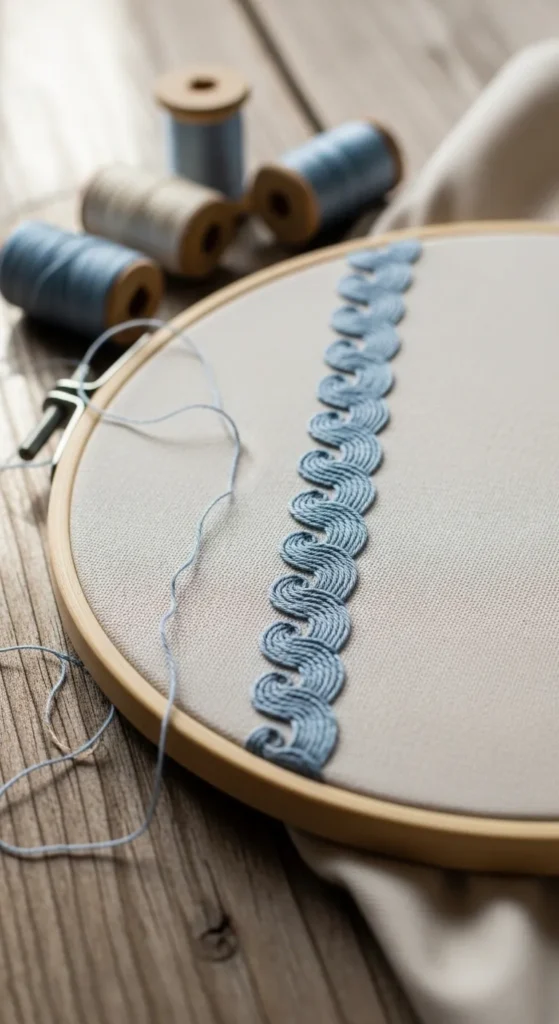
Wave borders repeat curved lines along edges. This pattern suits hems and borders.
25. Mini Butterfly Outline
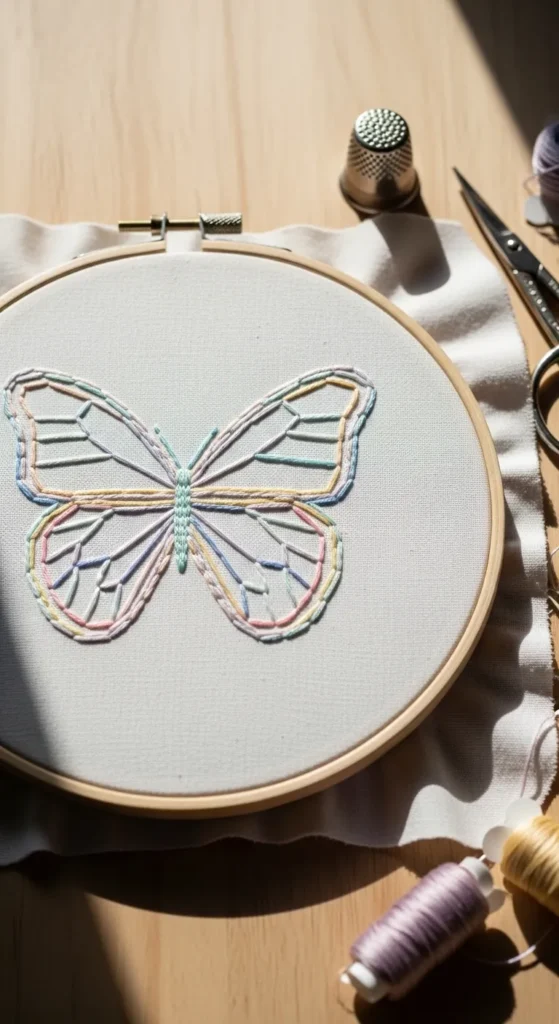
Butterfly outlines use symmetrical wing shapes with simple stitches. This design looks light and decorative.
26. Tiny Abstract Dot Flow
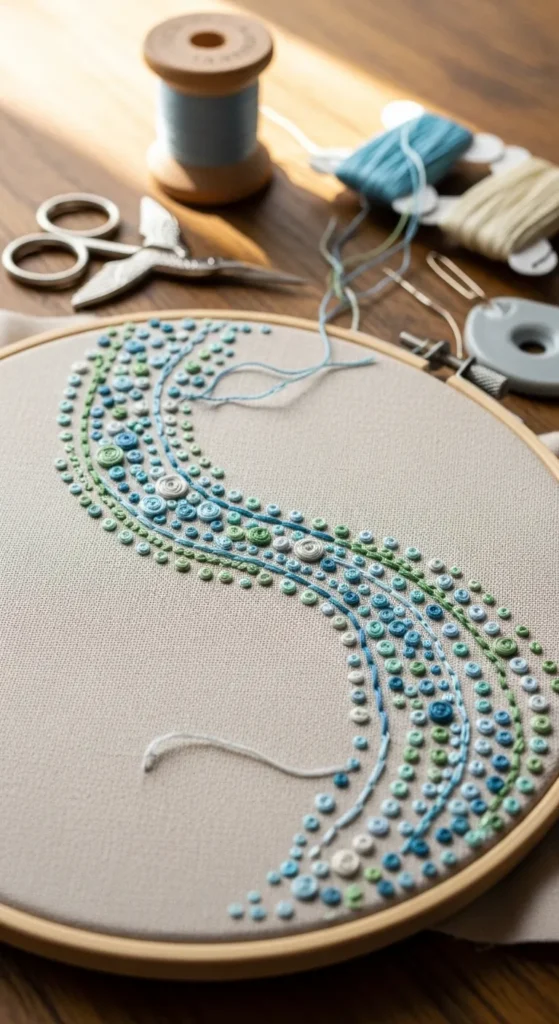
Dot flow patterns use random placement of small stitches. This design feels free and relaxed.
Conclusion
Simple hand embroidery patterns give a calm way to practice stitching without pressure. Each idea above uses basic stitches, low-cost materials, and easy shapes that fit beginners and hobby crafters. You can mix patterns, change colors, or repeat designs across fabric items like tote bags, pillow covers, or clothing patches. Small daily stitching time helps build comfort with needle and thread.