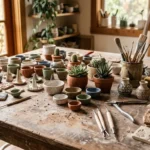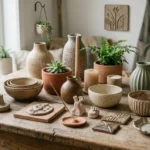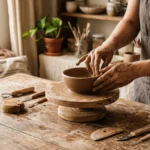
A calm pottery practice brings hands-on creativity into daily life. Clay work gives a chance to shape useful and decorative pieces without complex equipment or expensive materials. Beginners often start with small forms that build comfort with touch, pressure, and simple shaping methods.
This list presents practical pottery ideas that fit home setups, basic tools, and low-cost clay. Each project focuses on achievable steps, so even first-time learners can shape something meaningful while gaining confidence with every try.
1. Pinch Pot Mini Bowls
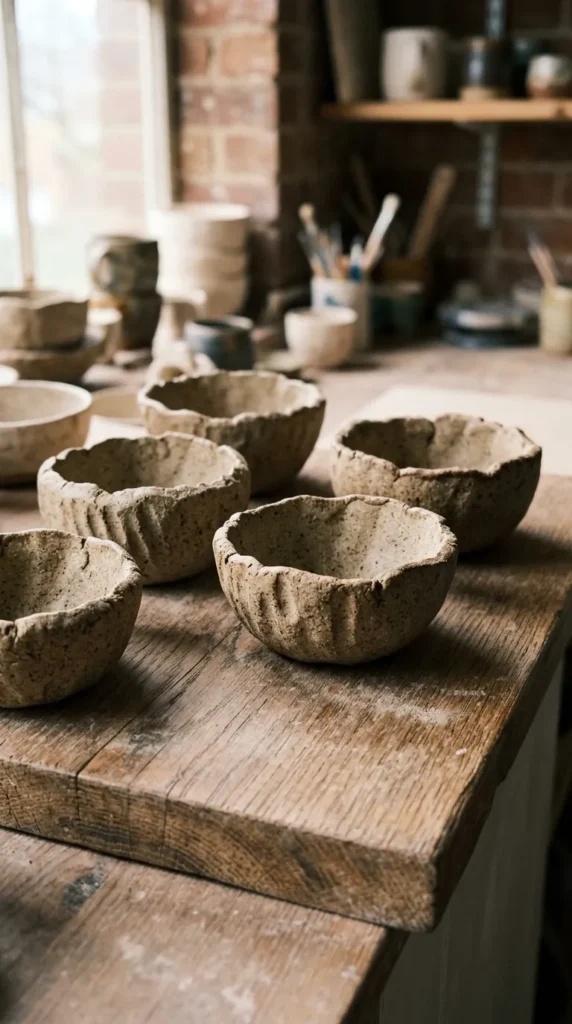
Pinch pot bowls are one of the simplest clay projects. A small ball of clay gets pressed using thumbs and fingers until a bowl shape forms. No wheel or advanced tools are required.
These bowls can hold small items like rings, pins, or spices. Uneven edges give a handmade feel. That natural texture adds charm rather than flaw.
Air-dry clay works well for beginners, but pottery clay offers a stronger finish if kiln access is available. A sponge helps smooth cracks while shaping.
Try making sets of three bowls in different sizes. Keep designs plain at first. Later, add pressed leaf patterns or simple line textures using toothpicks or forks.
2. Hand-Stamped Clay Coasters
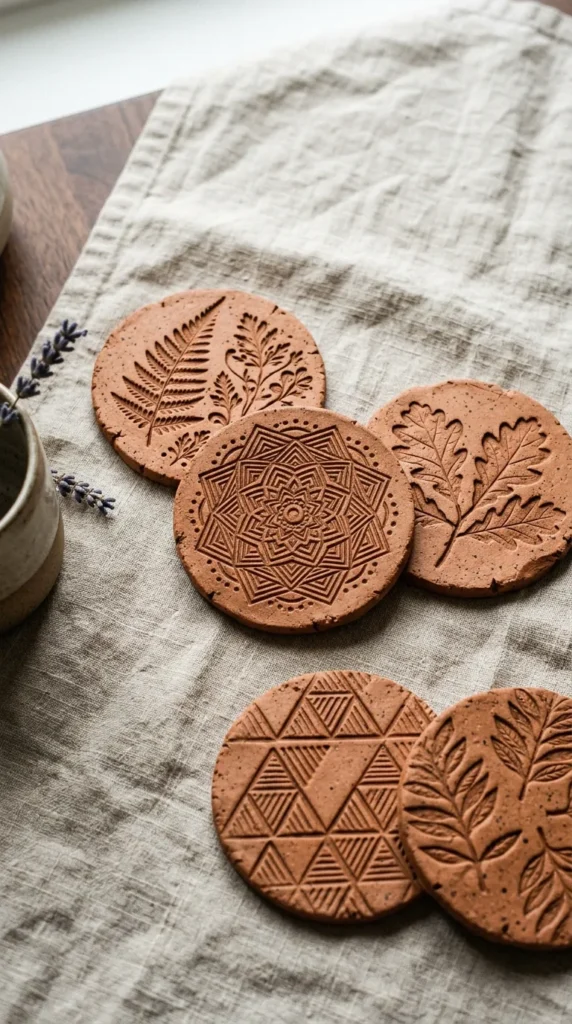
Clay coasters are flat, quick to shape, and useful in daily life. A rolled slab of clay forms the base.
Small objects like leaves, lace fabric, or bottle caps create surface patterns. Pressing them into clay leaves clean impressions.
Round, square, or uneven organic shapes all work. Each piece carries a different look depending on stamping pressure.
Once dried, edges can be lightly sanded with fine paper for a smoother feel. A simple coat of clear varnish helps if water resistance is desired.
These coasters work well as gifts or home decor pieces. Sets of four or six keep tables visually balanced.
3. Mini Clay Planters
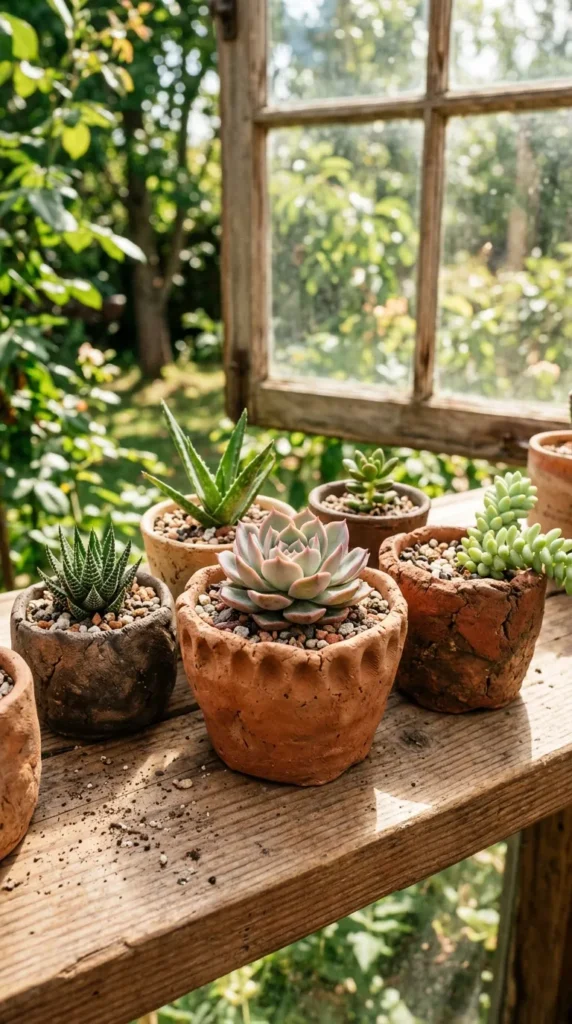
Small planters made from clay bring greenery into compact spaces. A thick slab or coil method forms the base shape.
Drainage holes can be added using a pencil or stick before drying. This helps plant health over time.
Succulents or small herbs fit well inside these pots. Their slow growth matches handmade containers.
Surface designs can stay plain or include carved lines. Leaving clay unpainted gives a natural earthy tone.
These planters also work well as desk decorations. Grouping several together creates a small indoor garden feel.
4. Coil Build Cups
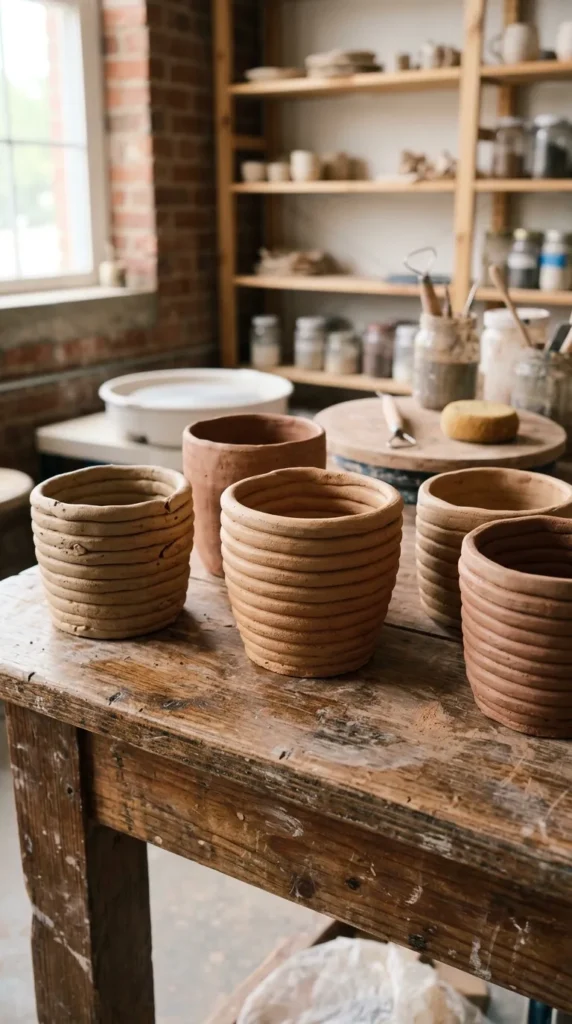
Coil cups form by stacking rolled clay ropes. Each coil is placed on top of the previous layer.
The sides can remain textured or be gently smoothed for a cleaner look. Both styles work well.
This method teaches control over structure and thickness. It also helps understand balance in cylindrical shapes.
Handles can be added using small rolled strips of clay. Simple straight handles feel easier for beginners.
These cups work for decorative use or pencil holders once fully dried and sealed.
5. Clay Leaf Imprint Plates
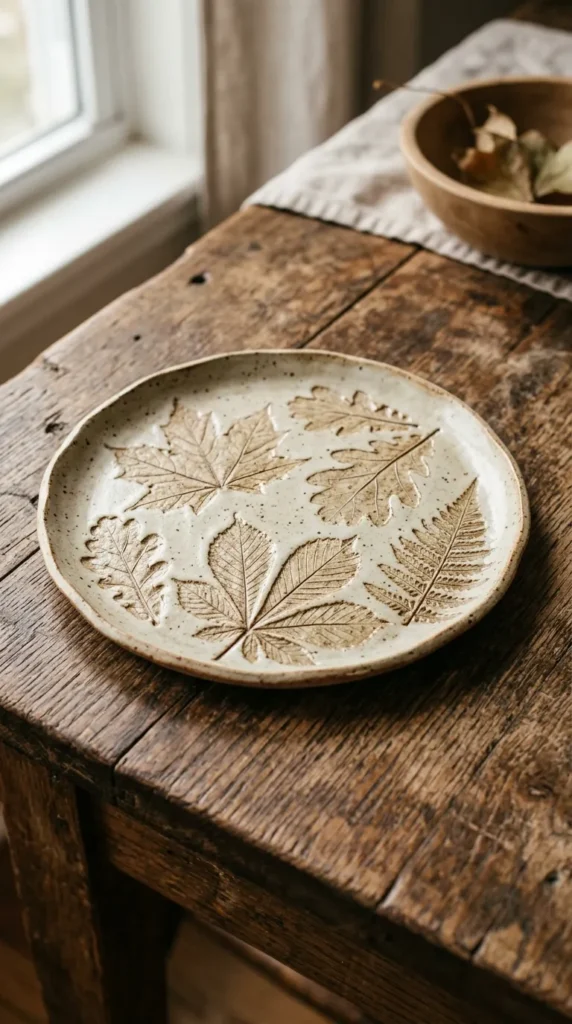
Leaf imprint plates use real leaves pressed into soft clay slabs. The veins create natural patterns.
After cutting a circular or oval shape, edges are smoothed gently with water.
Each plate carries a different botanical design depending on leaf type used. Ferns, maple leaves, and herbs work well.
These plates can be decorative or used for serving dry snacks. Painting only raised edges keeps the natural imprint visible.
Simple glaze or matte finish can be applied after firing if kiln access is available.
6. Clay Spoon Rests
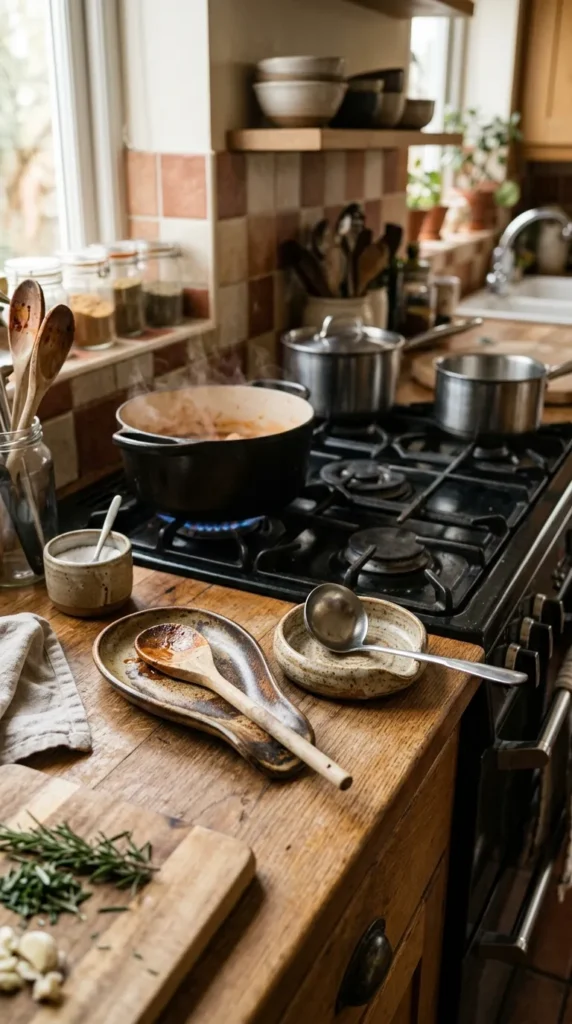
Spoon rests are compact and practical. A small oval or leaf shape works as the base.
Finger smoothing creates gentle curves that hold utensils in place. Thickness should stay even to prevent cracking.
Designs can stay plain or include light impressions like dots or lines.
These pieces sit near cooking areas and help keep surfaces clean.
Air-dry clay works for decorative use, while fired clay lasts longer in kitchens.
7. Textured Clay Wall Tiles
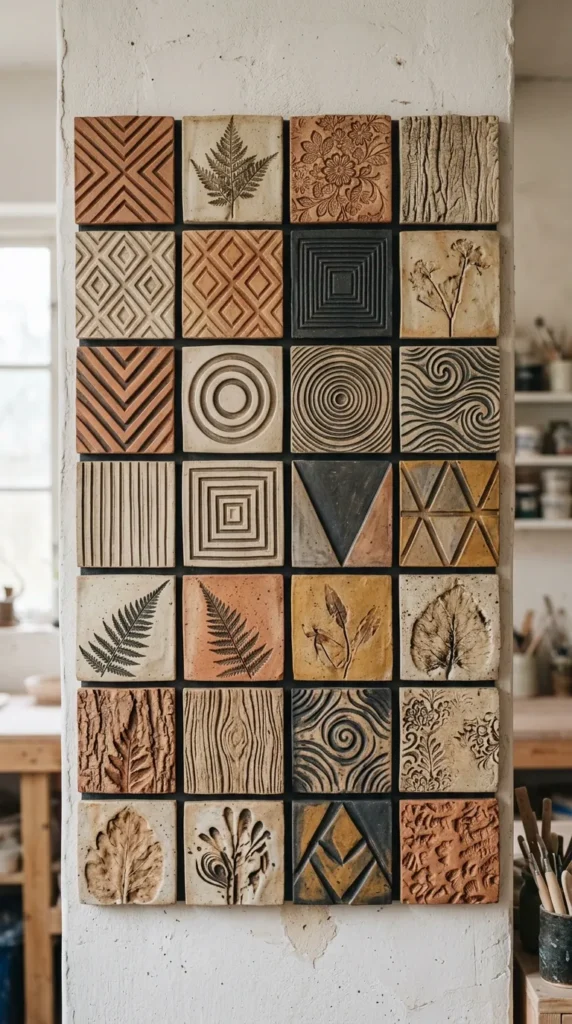
Clay tiles offer surface exploration through texture. Each square slab becomes a small creative surface.
Patterns can include lines, waves, dots, or pressed objects. Each tile becomes unique.
Tiles can later be arranged on walls or framed as art pieces.
Keeping thickness consistent helps drying and prevents bending.
Simple repetition of one pattern across multiple tiles creates a unified look.
8. Clay Candle Holders
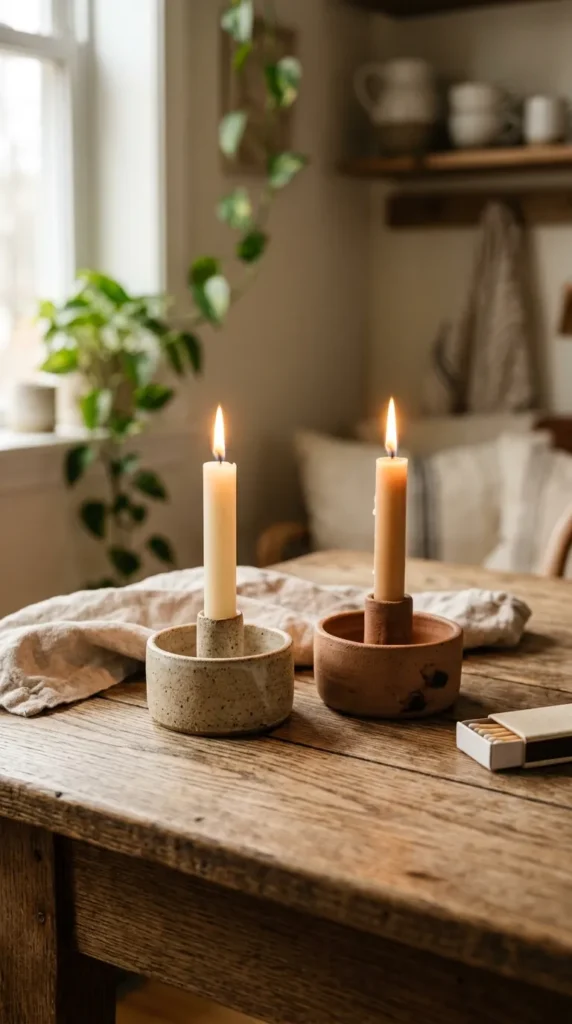
Candle holders begin as small clay cylinders or cups. A central hole is shaped to fit a candle base.
The outer surface can remain rough or be smoothed depending on style preference.
Simple carvings or finger marks add character.
Once dried, these holders can be painted in neutral tones or left natural.
They work well for small table setups or shelf decor.
9. Small Clay Figurines
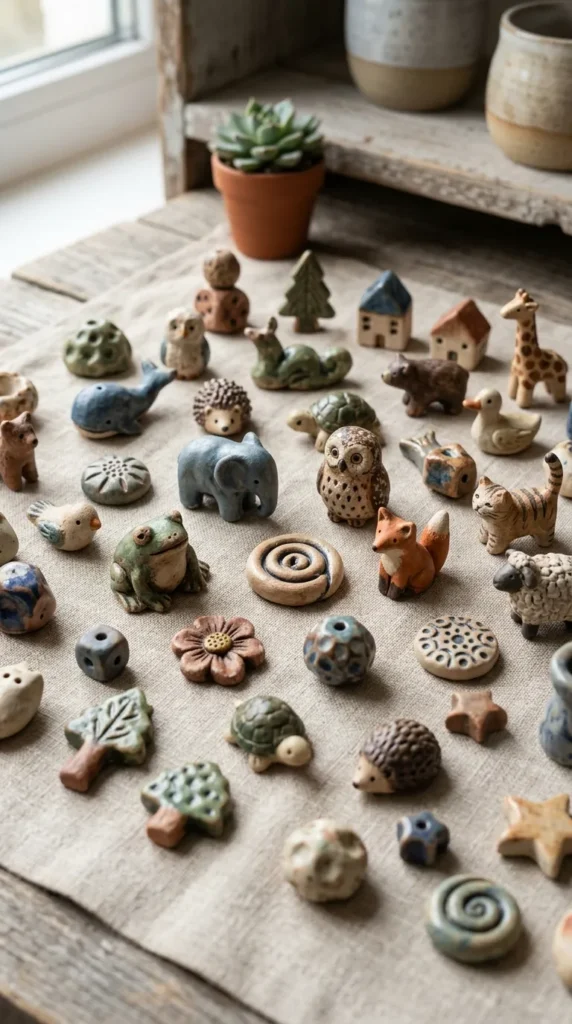
Mini figurines use small clay pieces shaped by hand. Basic forms like animals, shapes, or abstract figures work well.
Tools are not required; fingers and simple sticks can form details.
Each piece develops personality through slight imperfections.
These figurines can sit on desks or shelves as decorative accents.
10. Clay Jewelry Dishes
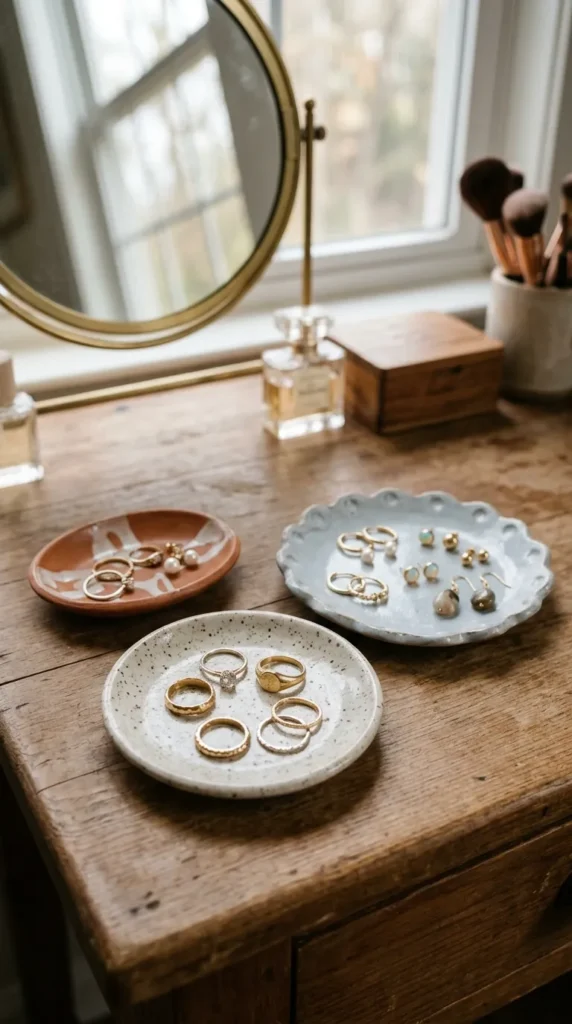
Jewelry dishes are shallow and compact. A thumb-pressed or slab-cut base forms the shape.
Edges can be gently lifted to hold rings and earrings.
Simple patterns like dots or lines keep the surface interesting without complexity.
These dishes are often made in sets for gifting or personal use.
11. Rope Coil Vases
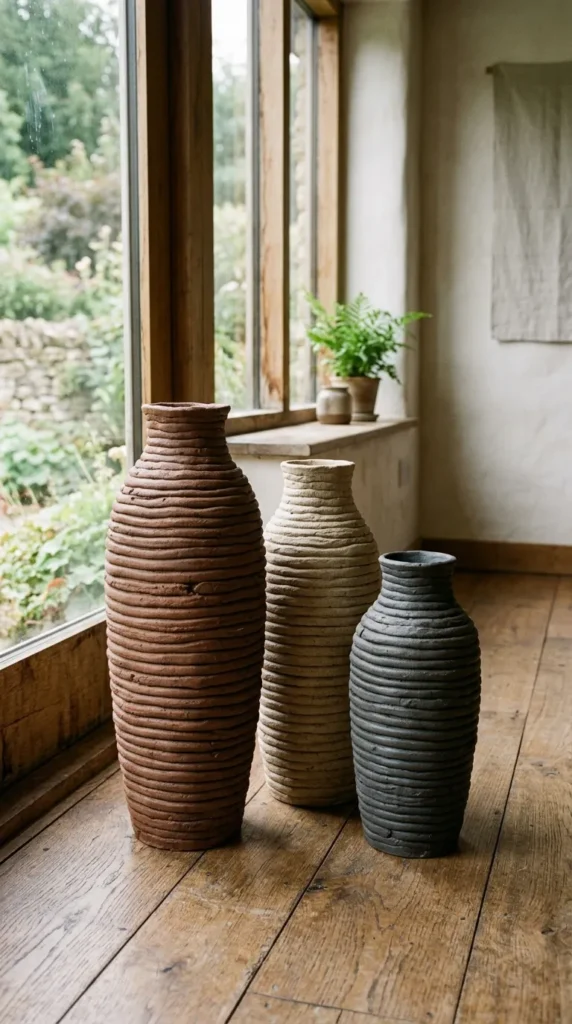
Rope coil vases build upward in stacked circular layers. Each coil adds height and structure.
The outer surface can be blended or left textured.
These vases work for dried flowers or decorative branches.
Even height growth requires patience, keeping each coil level before adding the next.
12. Clay Tea Light Bowls
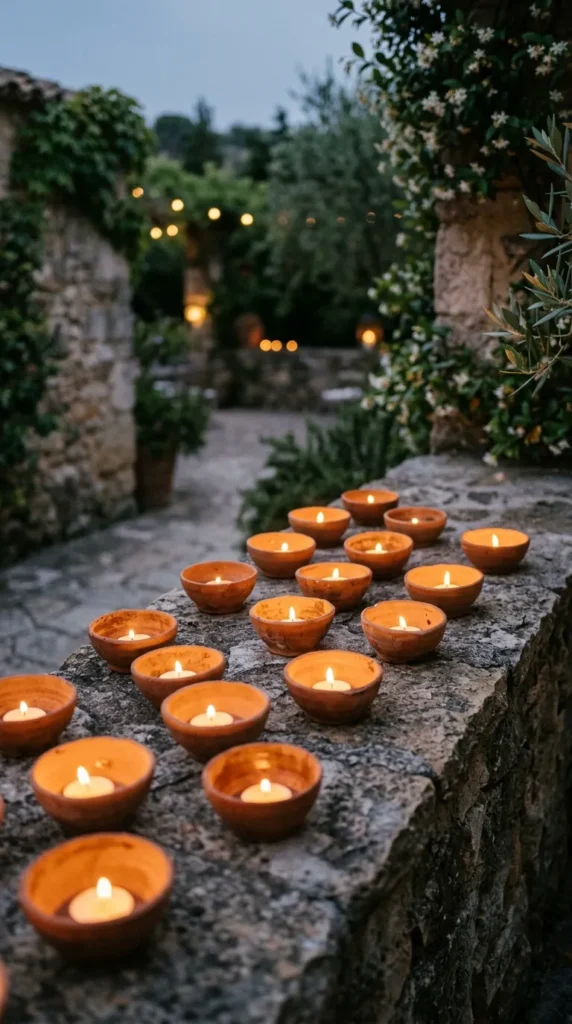
Tea light bowls are small and rounded. A simple thumb press or slab method forms the base.
A shallow cavity holds a candle securely.
The outer surface can include soft texture marks for visual interest.
These bowls are often used in group arrangements for ambient lighting.
13. Pressed Flower Clay Pieces
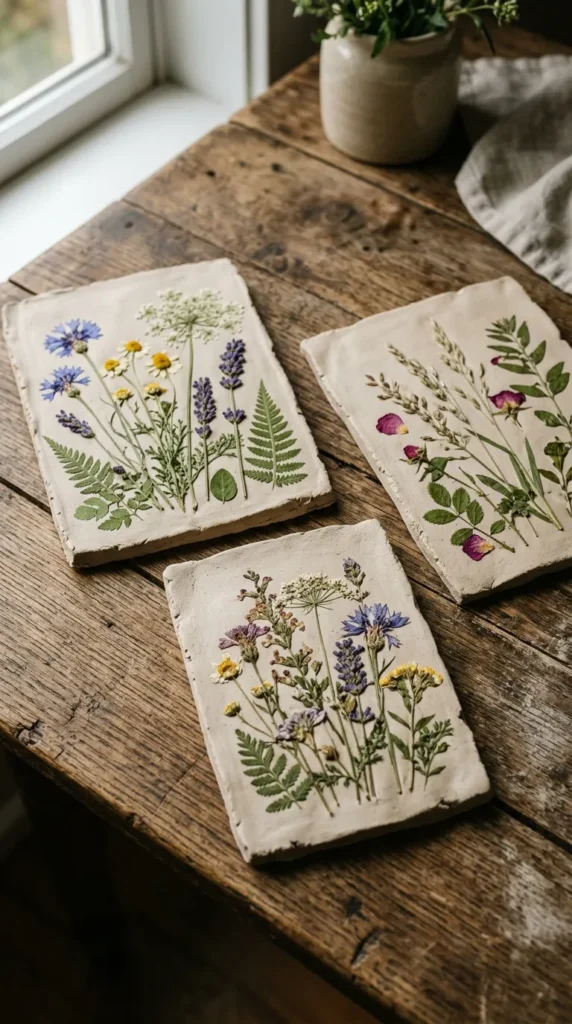
Pressed flowers create delicate impressions in clay slabs. Flowers are placed gently before pressing.
After removal, natural imprints remain in the surface.
These pieces can become wall art or decorative trays.
Different flower types produce varied textures and depth.
14. Clay Pen Holders
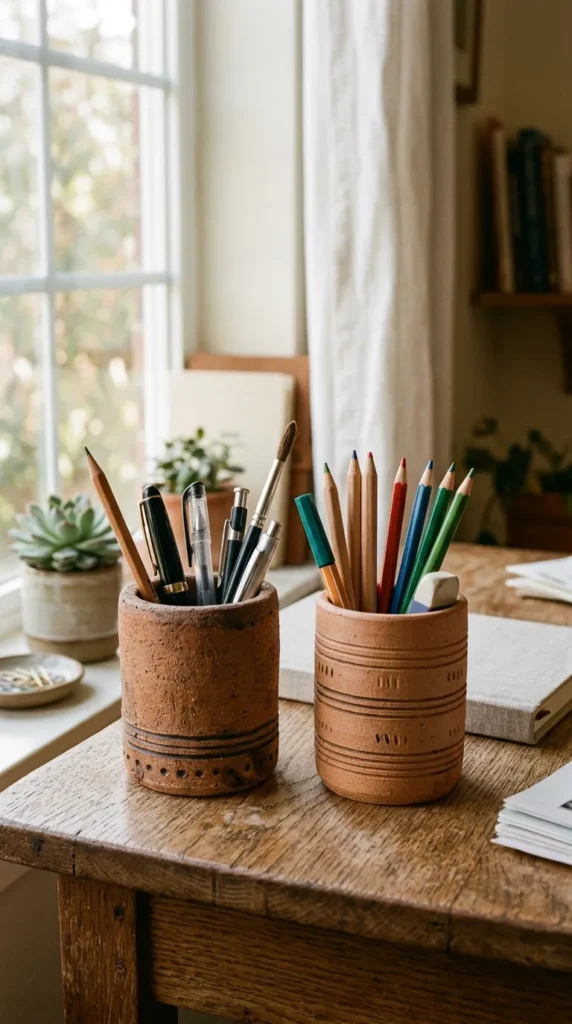
Pen holders use a cylinder shape made from slab or coil techniques.
Height should support pens without tipping.
Simple designs keep focus on function and shape.
These holders fit well on study tables or office desks.
15. Organic Shape Bowls
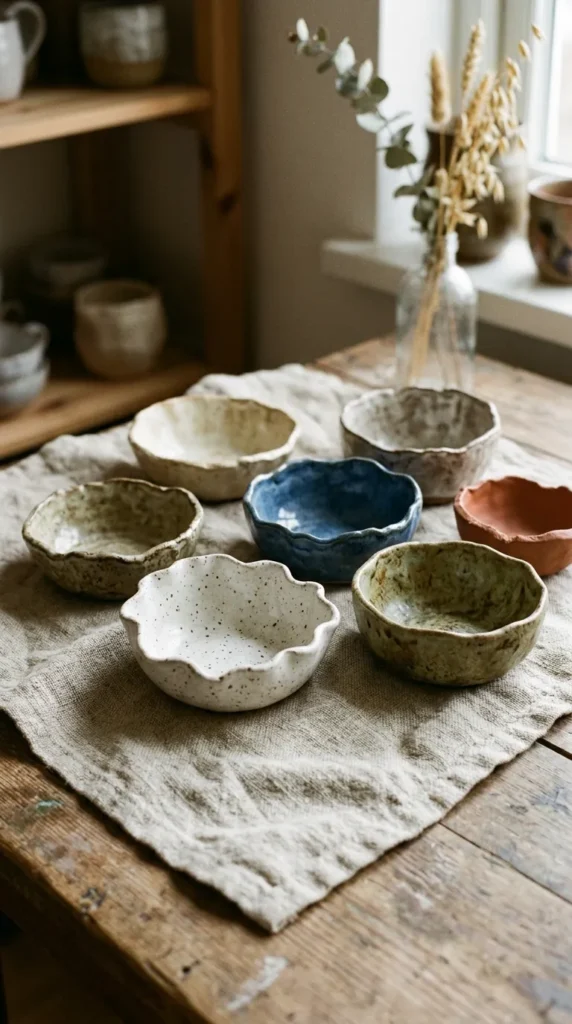
Organic bowls avoid perfect symmetry. Each edge is shaped freely by hand.
This style embraces natural curves and uneven lines.
Small imperfections give each bowl a distinct personality.
These bowls can be used for decor or storage.
16. Clay Button Sets
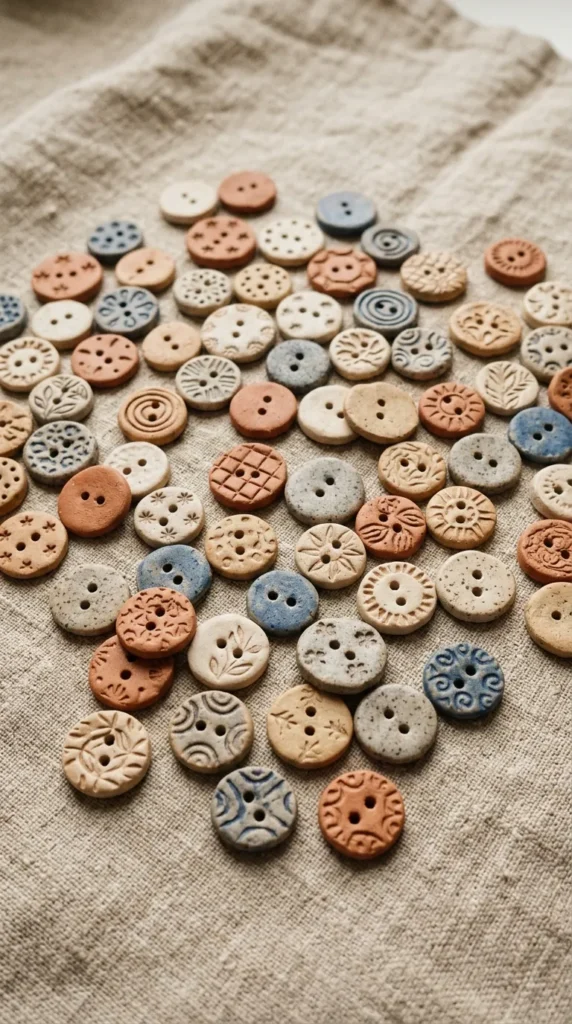
Clay buttons are small, flat pieces with punched holes.
Simple stamps or textures decorate each button.
These can be used in sewing projects or craft decoration.
Uniform thickness helps them dry evenly without cracking.
17. Mini Clay Trays
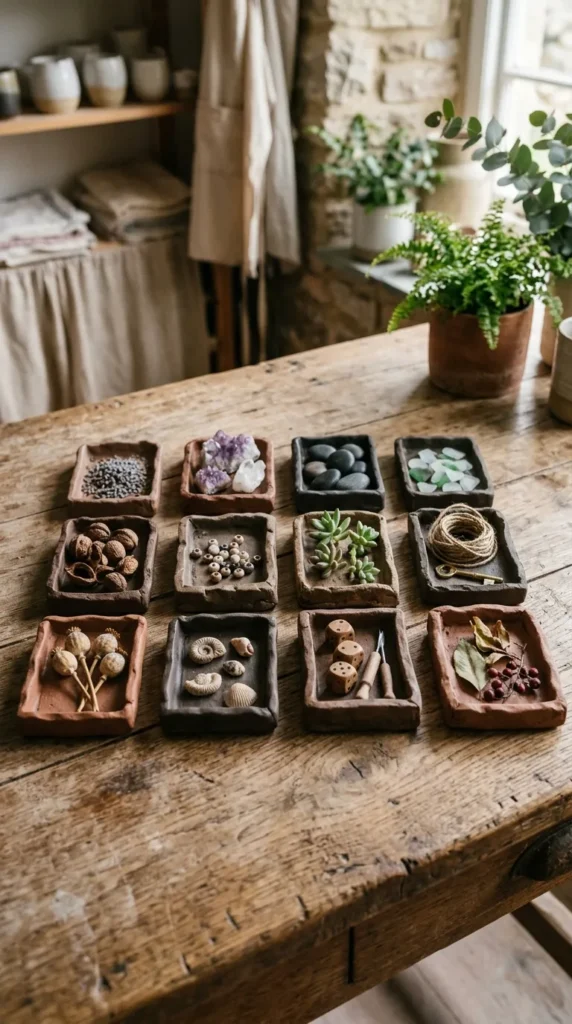
Mini trays are shaped from flat slabs with raised borders.
They can hold keys, jewelry, or small items.
Edges are folded gently before drying.
Simple carved patterns add surface detail.
18. Spiral Clay Bowls
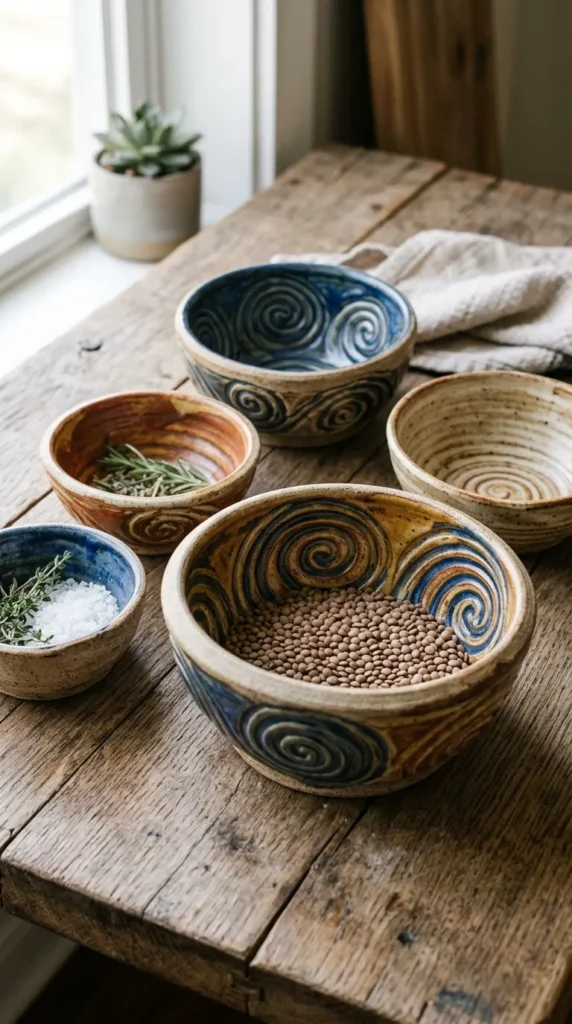
Spiral bowls use coiled clay shaped into circular motion.
The swirl pattern becomes part of the surface design.
Each bowl has a unique flow depending on hand pressure.
These bowls are visually dynamic even without paint.
19. Clay Incense Holders
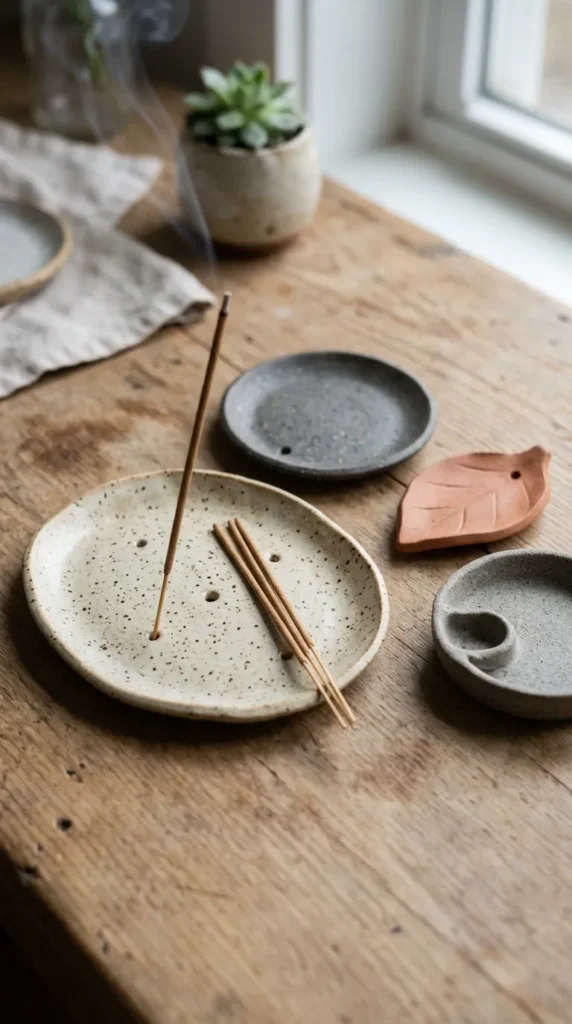
Incense holders are long, flat clay pieces with angled holes.
Ash falls neatly onto the base surface.
Simple carved lines or dots decorate the surface.
These pieces are often used in quiet indoor spaces.
20. Clay Wall Hanging Shapes
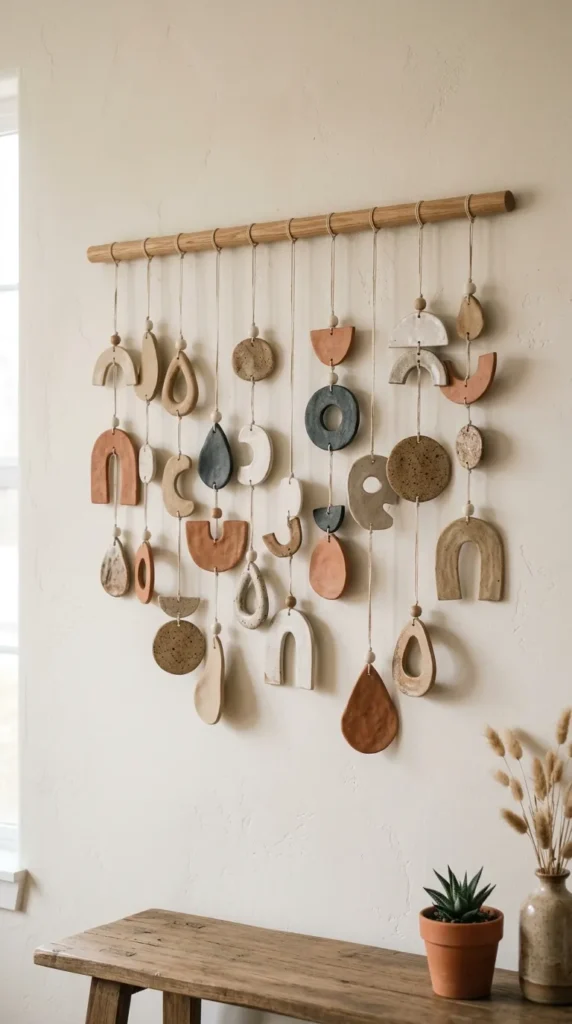
Wall hangings use flat clay shapes with holes for string.
Shapes can include circles, leaves, or abstract forms.
Once dried, they are hung together as decorative sets.
Simple painted accents can be added if desired.
21. Clay Soap Dishes
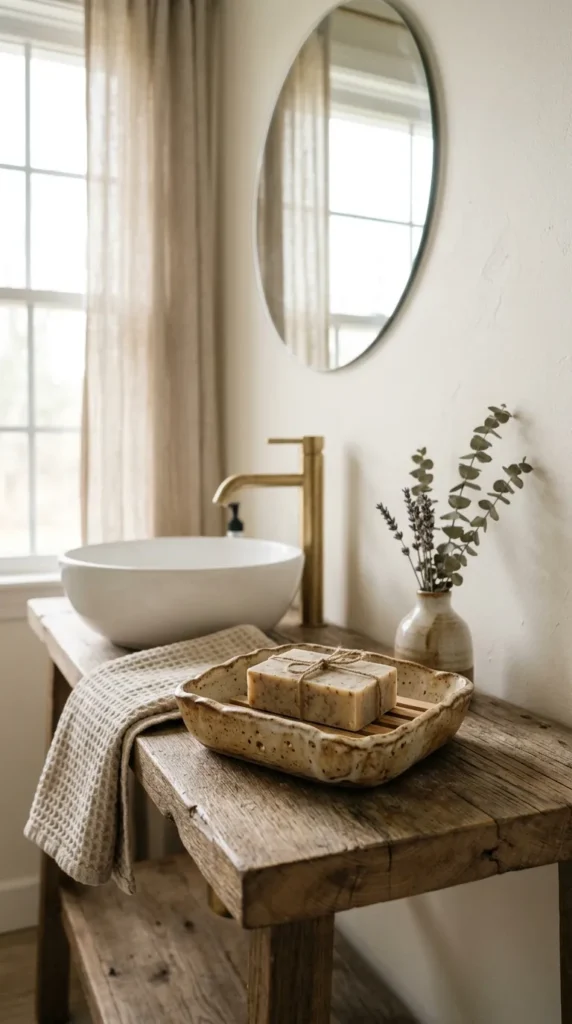
Soap dishes include small ridges or holes for drainage.
A curved base helps hold soap securely.
Surface texture prevents slipping.
These are practical additions to bathroom spaces.
22. Clay Egg Cups
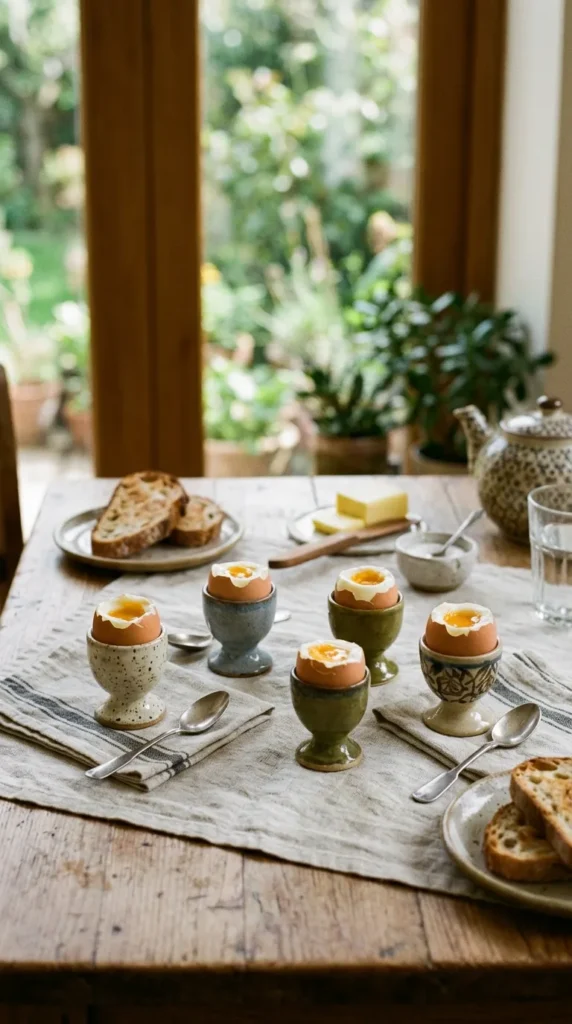
Egg cups are small cylindrical shapes with a stable base.
Simple shaping keeps them functional and balanced.
Each cup can vary slightly in height for a handmade feel.
These pieces fit well in kitchen settings.
23. Clay Storage Pots
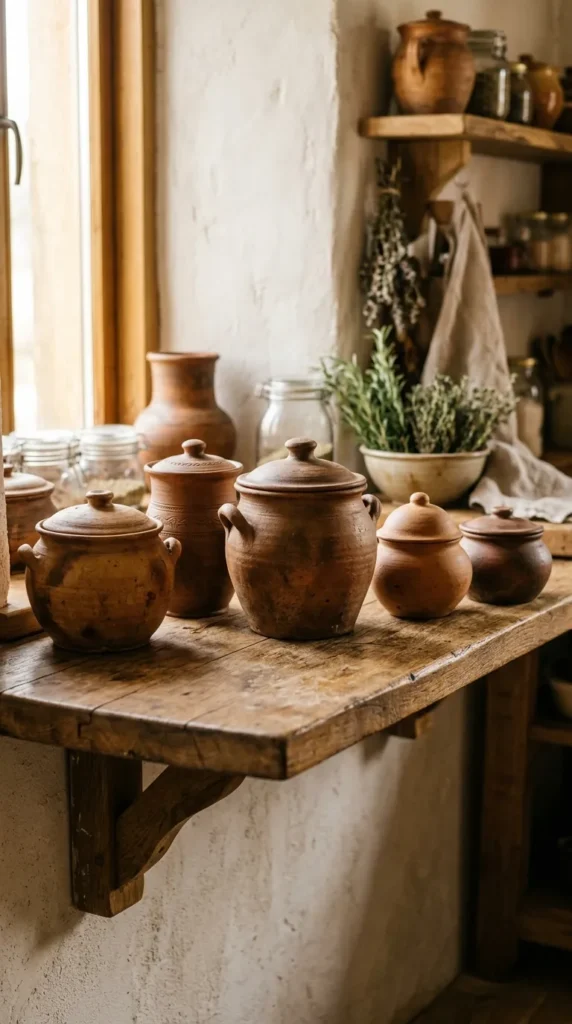
Storage pots use coil or slab techniques with fitted lids.
They hold small items like spices or craft materials.
Simple surface designs keep focus on form.
Grouped together, they create a uniform storage set.
Conclusion
Working with clay brings steady hands-on practice into everyday life. Small projects like bowls, trays, and figurines create useful items while building comfort with shaping methods. Each idea in this list offers a starting point for home-based pottery sessions using basic tools and low-cost materials.