
A prayer board is a gentle way to build a steady faith routine at home. It helps organize thoughts, prayers, gratitude notes, and scripture in one visible space. Beginners often find it easier to stay consistent when reminders are placed where they can be seen daily. This list shares practical, low-cost ideas that fit small spaces and simple routines. Each idea is easy to try using basic supplies like paper, pins, tape, or boards already at home.
1. Cork Board Prayer Wall
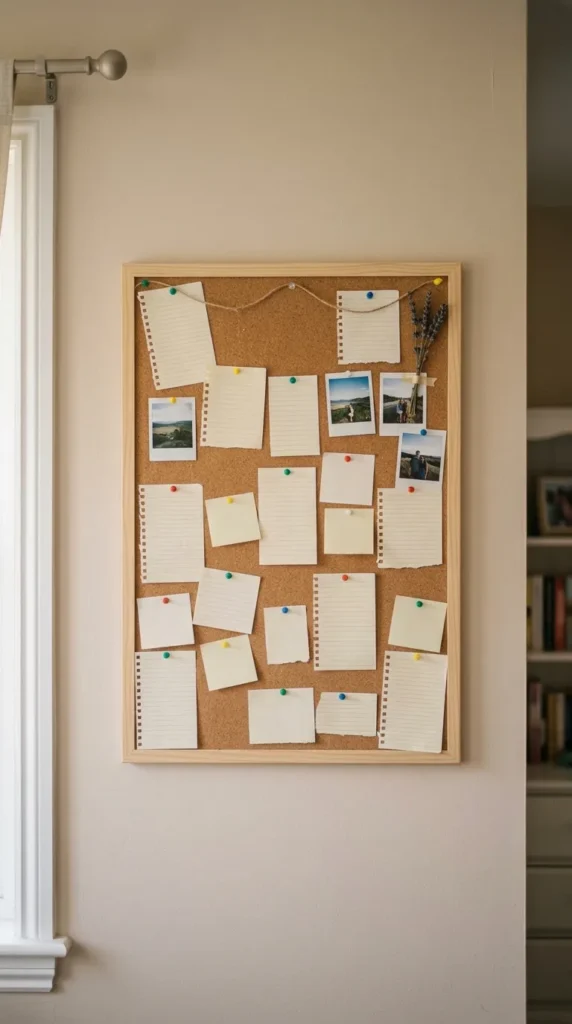
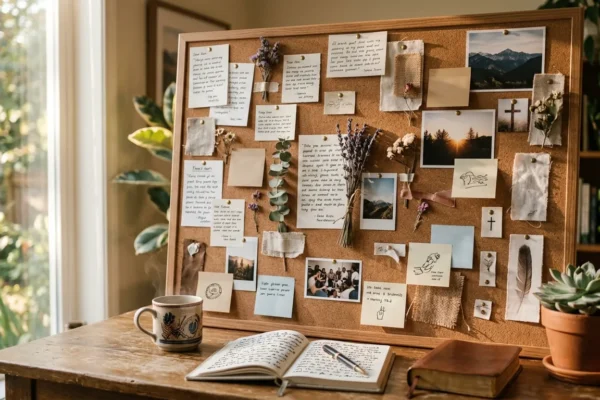
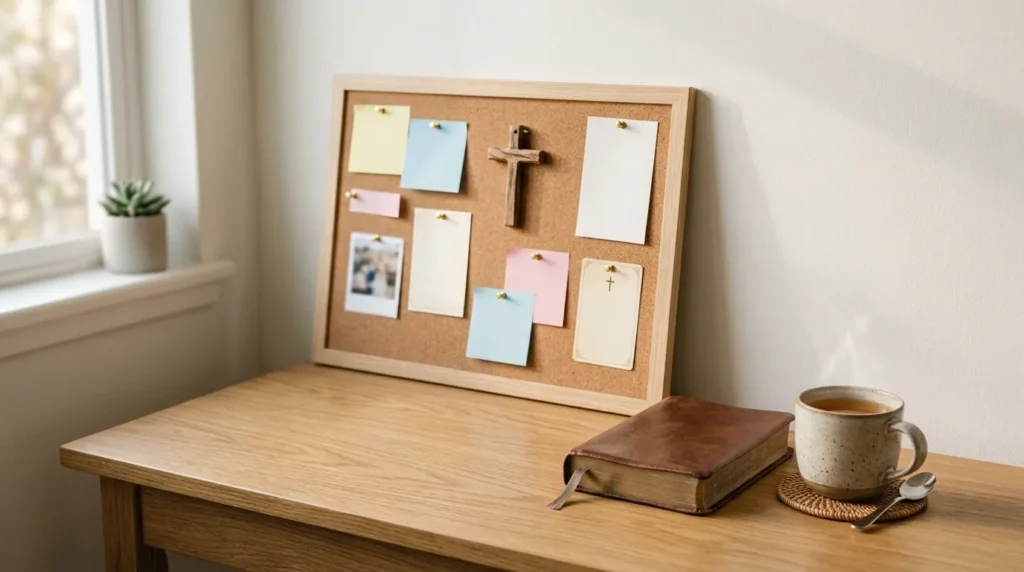
A cork board is one of the easiest ways to begin a prayer board. It is affordable and widely available in most local stores. You can place it in a bedroom corner or study desk wall. Start with small paper cards where each card holds one prayer point or gratitude note.
Keep sections simple. One side for gratitude, another for prayer requests. Use push pins or small clips. Nothing fancy is required. Even recycled cardboard can replace a cork board if needed.
Change notes weekly. Remove old ones and add new thoughts. This keeps the board active without feeling heavy or cluttered. Many beginners find this method helpful because it visually separates daily concerns and answered prayers.
Add a small handwritten verse card if space allows. Use plain markers or pens you already have at home. Avoid overdecorating. A clean layout helps maintain focus and calm while keeping the routine easy to follow.
2. Fridge Prayer Corner
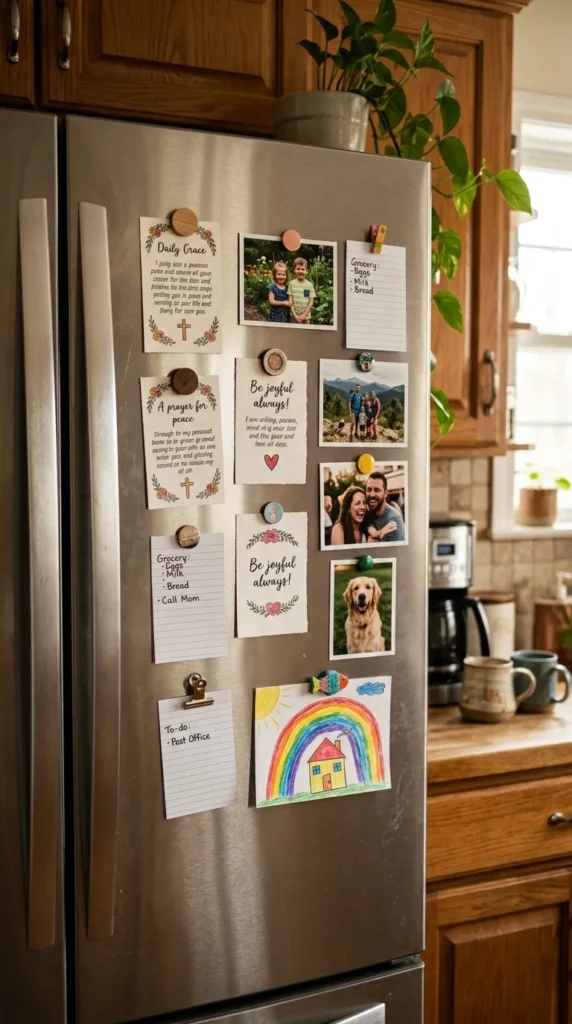
A fridge door can become a simple prayer space. It is already a place you see many times a day, making it useful for reminders.
Use small magnets to attach paper notes. Each note can include a short prayer or gratitude line. Keep cards small so the fridge does not look crowded. Plain white paper or sticky notes work well.
Divide the space loosely. One area for daily prayer points, another for gratitude notes. Rotate them every few days. This keeps the habit active without extra effort.
For beginners, this method works well because it requires almost no setup. You do not need a board or craft supplies. Just paper and magnets are enough.
Families can also use this space together. Each person can add one note per day. Over time, the fridge becomes a shared reflection point that encourages calm thinking during daily routines like cooking or grabbing snacks.
3. Mini Desk Prayer Board
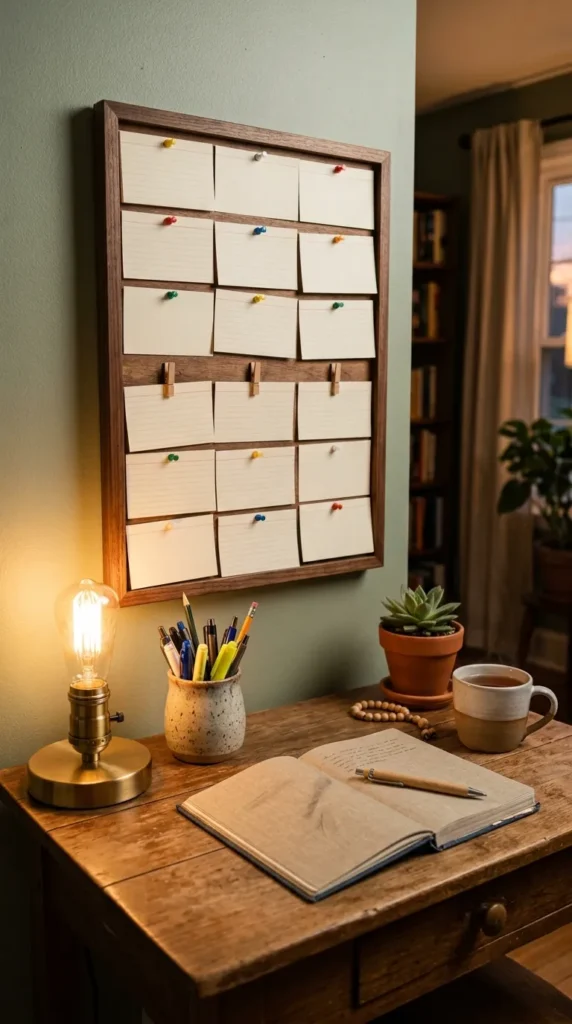
A mini desk prayer board fits small rooms or study areas. It sits directly on your desk and stays within view while working or studying.
Use a small frame or clipboard as the base. Attach index cards with clips or pins. Each card can hold one prayer request or gratitude thought.
Keep the structure very simple. One column for morning thoughts, another for evening reflection. Avoid overcrowding the space.
This setup works well for beginners who want a quiet, personal routine. It can also help during study breaks or work pauses.
You can reuse old notebooks by cutting pages into small cards. This keeps costs low and reduces waste. A simple pen beside the board helps you update it anytime.
The goal is ease. A desk-based setup keeps your prayer routine close, visible, and easy to maintain during daily tasks.
4. Hanging String Prayer Line
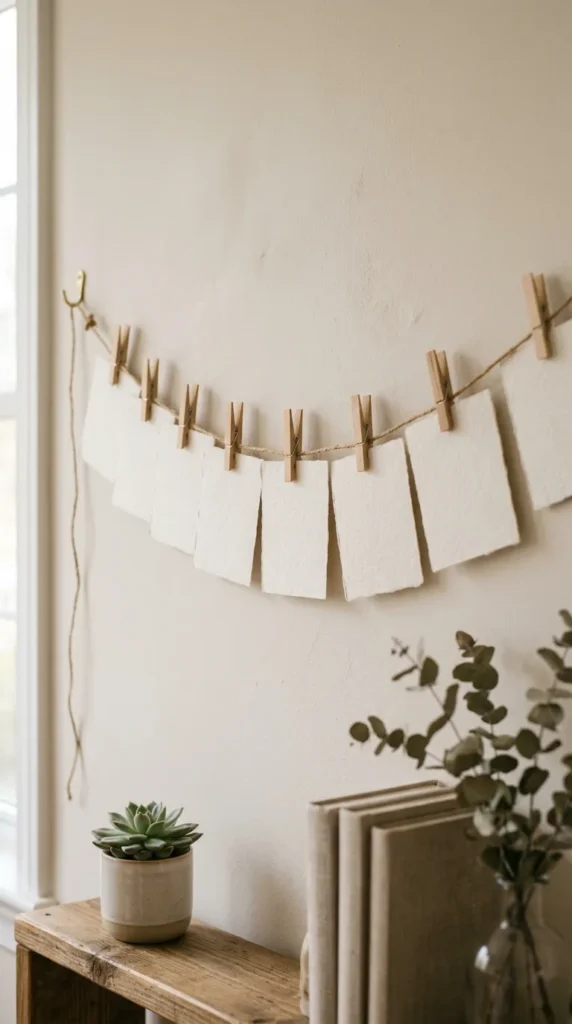
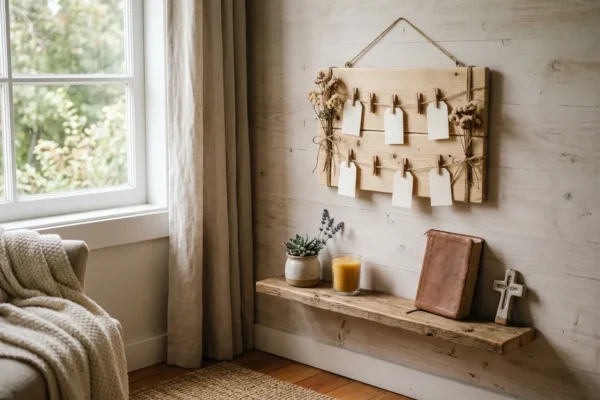
A string prayer line adds a light, creative touch. Stretch a simple thread or twine across a wall and clip notes using small clothespins.
Each card represents a prayer point or gratitude note. You can use colored paper or plain sheets. Keep sizes small for a neat look.
This setup works well for renters since it requires minimal wall damage. Adhesive hooks can hold the string easily.
Rotate cards every few days. Remove older notes and replace them with new ones. This keeps the line fresh and meaningful.
Beginners often enjoy this method because it feels interactive. You physically move and update the cards, which makes the routine more engaging.
Keep decorations minimal. The focus stays on written thoughts rather than design. A clean string line supports a calm and steady practice space.
5. Wooden Frame Prayer Board
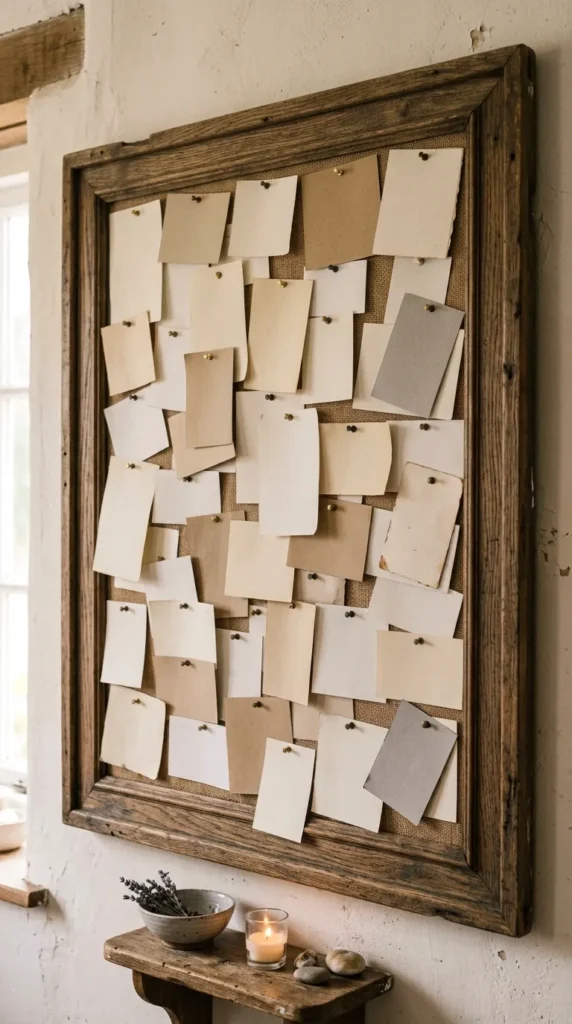
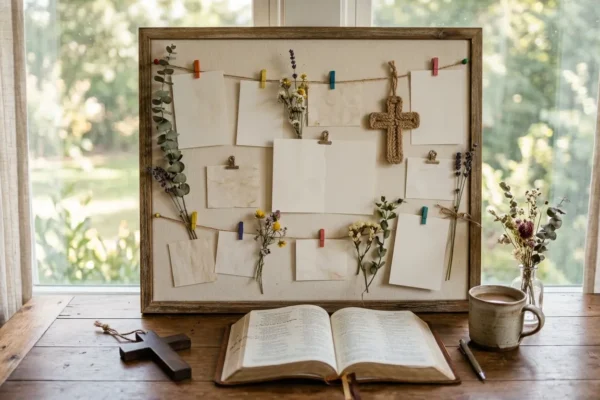
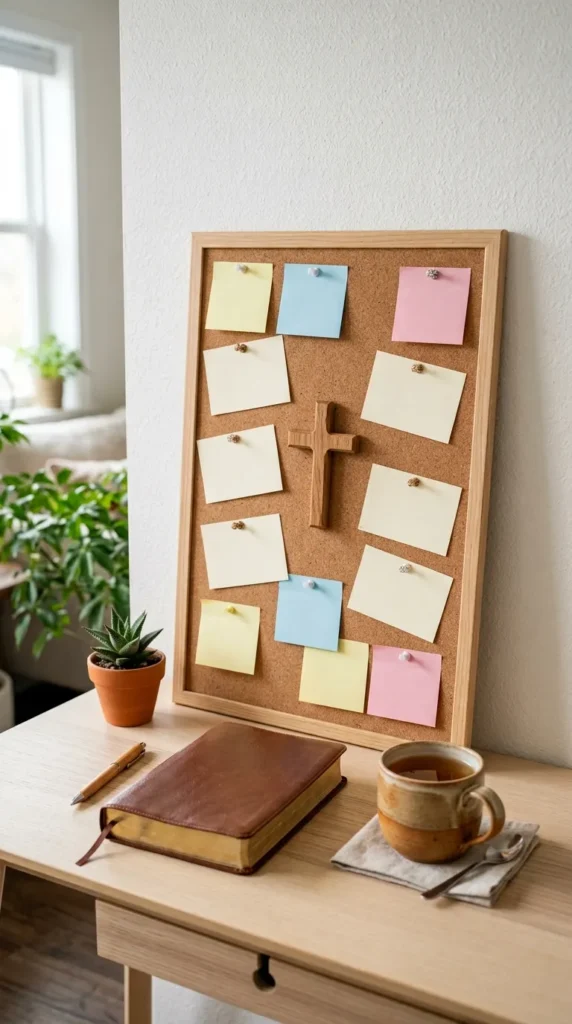
A wooden frame prayer board adds a warm and natural feel. It can be made using an old picture frame with fabric or cork inside.
Pin notes directly onto the surface. Use neutral tones like beige, white, or soft brown paper for a calm appearance.
Divide space into sections using thin string or light pencil lines. One section can hold daily prayers, another for gratitude.
This method is good for beginners who want a more structured look without complexity. It feels organized but still simple to maintain.
You can reuse scrap wood or old frames to keep costs low. Fabric from unused clothing can also act as the backing layer.
Avoid overfilling the board. A small number of meaningful notes works better than many crowded ones. This keeps attention on reflection rather than decoration.
6. Sticky Note Prayer Wall
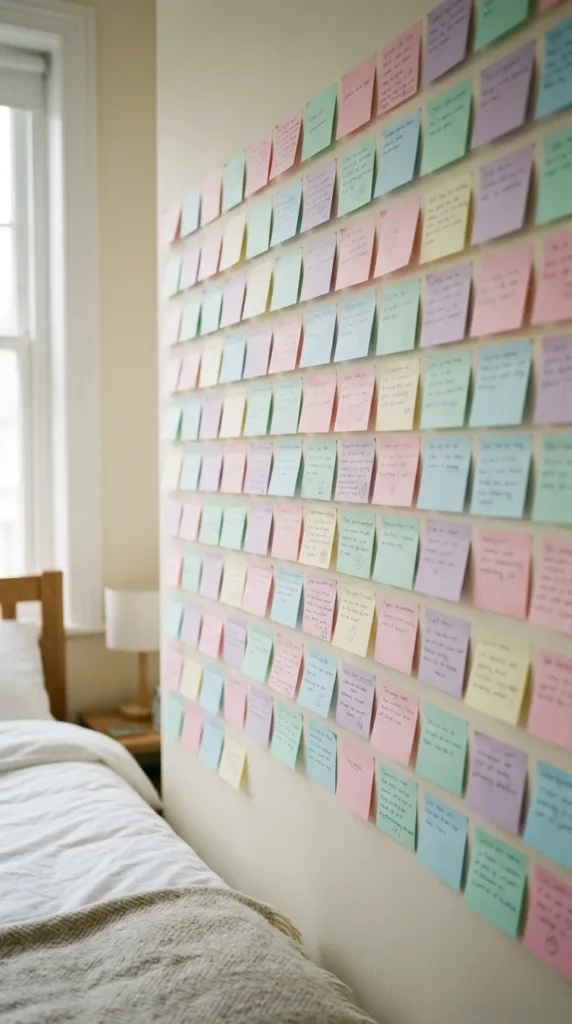
Sticky notes make prayer boards very easy to start. They are affordable and available almost everywhere.
Choose a wall space near your bed or desk. Arrange notes in small clusters. Each note holds a short prayer or thought.
Keep color coding simple. One color for gratitude, one for prayer requests. Avoid too many colors to keep things calm.
Replace notes weekly or whenever needed. This keeps the wall active and meaningful.
Beginners often like this setup because it requires no tools or boards. Just paper and tape are enough.
If space is limited, use a small section of the wall instead of covering the whole area. The goal is consistency, not size.
7. Notebook Prayer Board Pages
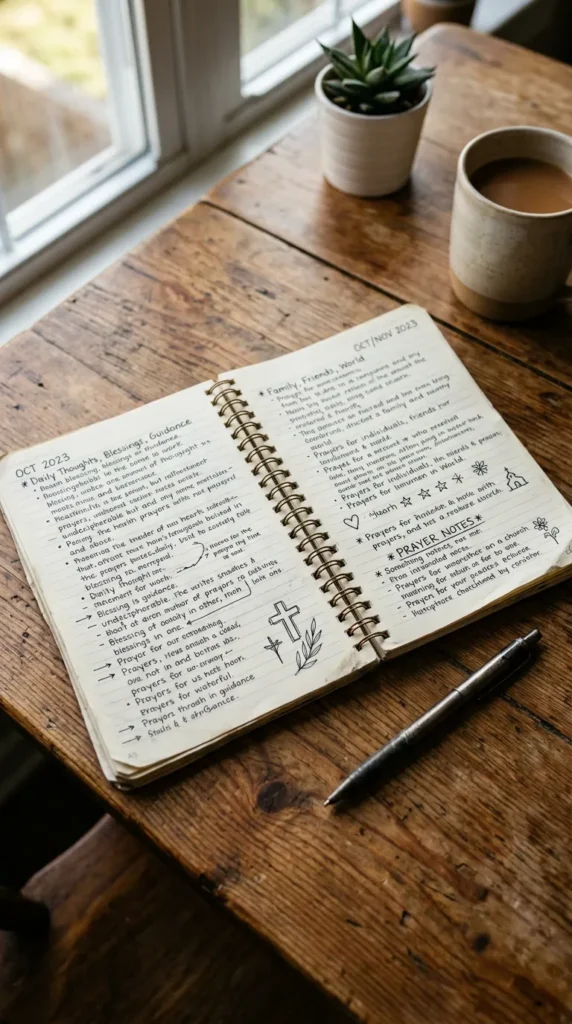
A notebook can become a portable prayer board. It works well for people who prefer writing over wall setups.
Divide pages into sections. One page for gratitude, another for prayer requests. Keep writing short and simple.
Use bullet points instead of long sentences. This makes it easier to update daily.
Carry the notebook around or keep it on your bedside table. It becomes a personal reflection space.
Beginners benefit from this method because it is private and flexible. No wall space is required.
You can decorate lightly using simple borders or small drawings. Avoid cluttered pages so writing stays clear and easy to review later.
8. Magnet Clip Board
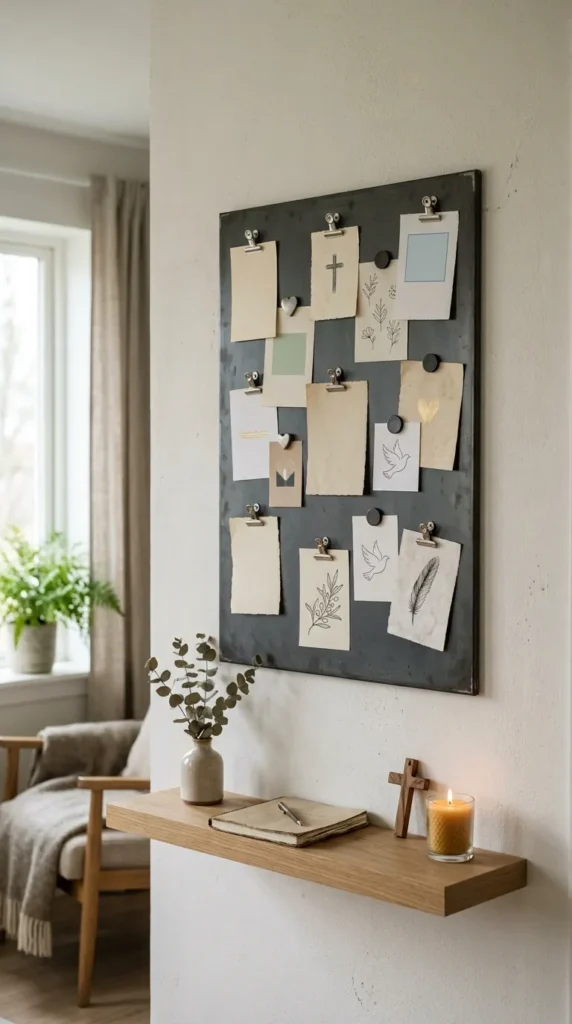
A metal board with magnets offers a clean and modern prayer setup. It works well in kitchens, bedrooms, or offices.
Attach cards using magnetic clips. Each clip holds one prayer or gratitude note.
Keep spacing even so the board stays neat. Avoid filling every space at once.
This setup allows quick updates. You can swap cards in seconds.
Beginners appreciate its simplicity and clean appearance. It also fits small spaces without looking crowded.
Reuse printed cards or cut paper pieces for cost savings. A simple pen is enough to maintain it daily.
9. Daily Verse Prayer Board
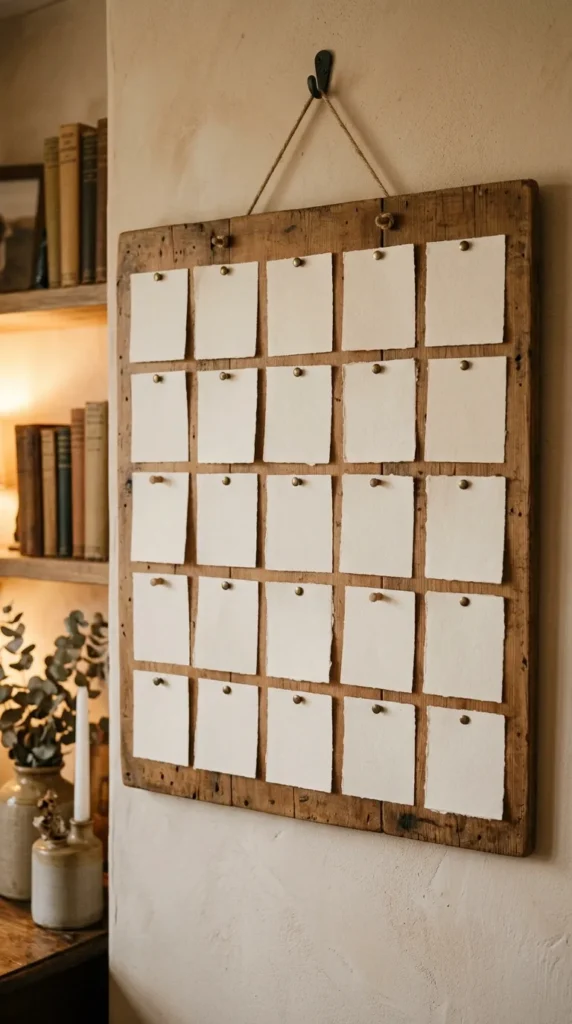
A verse-based prayer board focuses on short scripture notes. Write one verse per card and pin it to the board.
Keep layout simple. One row for daily verses and another for reflection notes.
This method helps build consistency in reading and thinking about faith daily.
Beginners can start with just three or four cards. Add more over time.
Use handwritten cards for a personal touch. Printed templates also work if available.
Avoid overcrowding the board. Let each verse stand on its own space.
10. Rotating Weekly Prayer Board
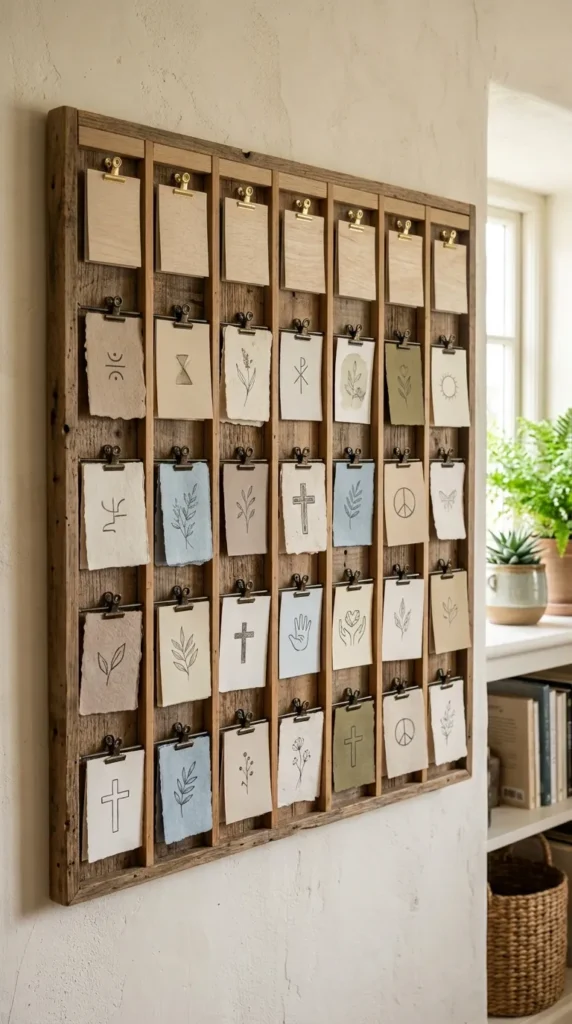
A rotating weekly board changes focus every seven days. Divide space into weekly slots.
Each week holds a new set of prayer points. At the end of the week, replace them.
This keeps the routine fresh and structured.
Beginners find this helpful for tracking progress without long-term pressure.
Keep notes short. One idea per card works best.
Use simple markers or pens for writing. Avoid decorative overload.
11. Family Prayer Board
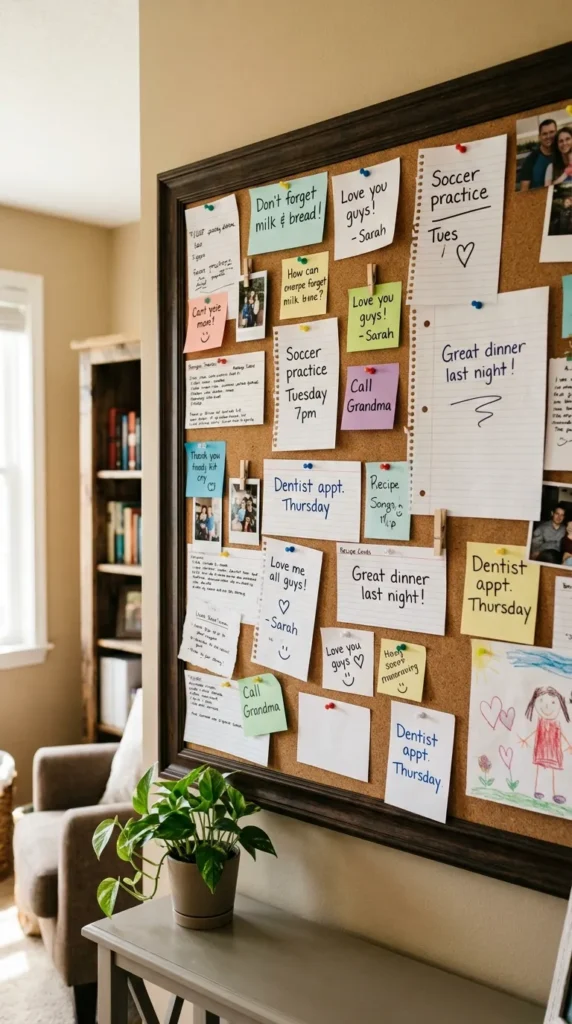
A family prayer board brings shared participation. Each member adds their own note.
Divide sections by name or color. Keep it simple so everyone can join easily.
Use a central board placed in a common area like the living room.
Update it together once or twice a week.
Beginners in families often find this method helpful because it builds shared reflection habits.
12. Gratitude Focus Board
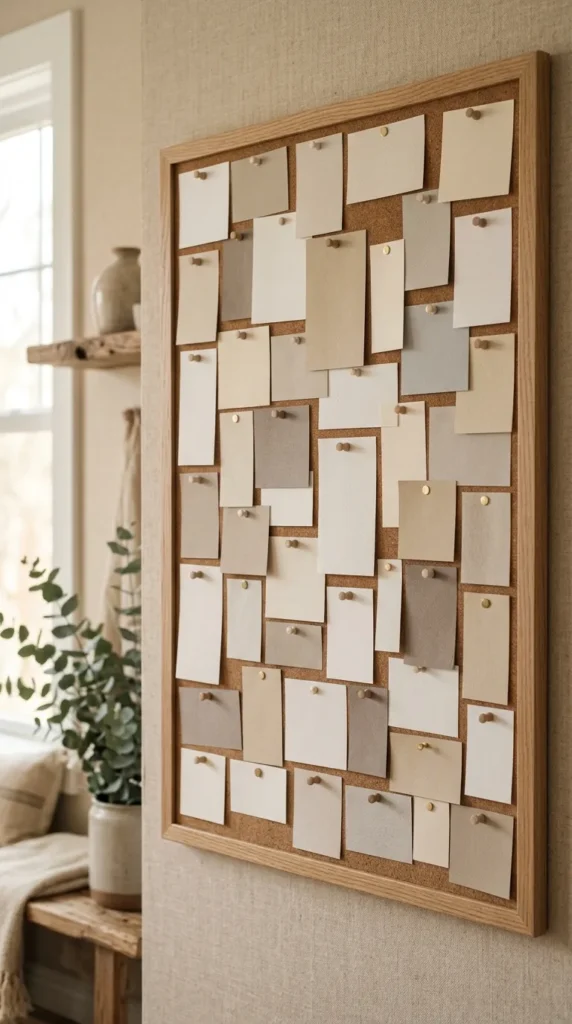
A gratitude-focused board highlights daily positive reflections. Each note represents something appreciated.
Keep it short. One line per note is enough.
Place it somewhere visible like a bedroom wall.
This method helps maintain a steady habit without complexity.
13. Prayer Jar Board Combo
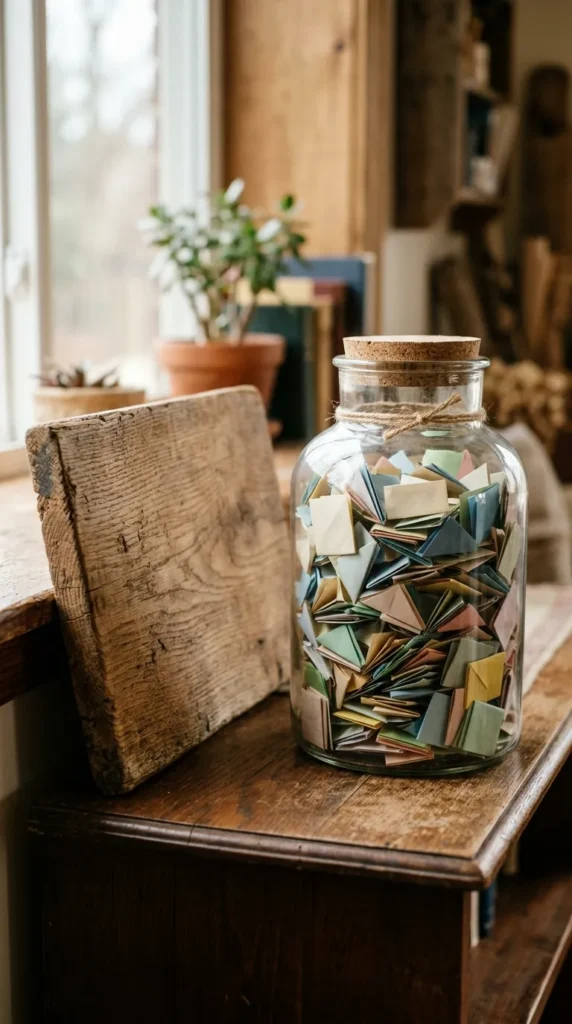
Combine a jar with a small board. Write prayers on folded papers and store them in the jar.
The board holds a few visible notes, while the jar stores the rest.
This keeps the space tidy and meaningful.
Beginners can rotate notes weekly.
14. Minimal Black & White Board
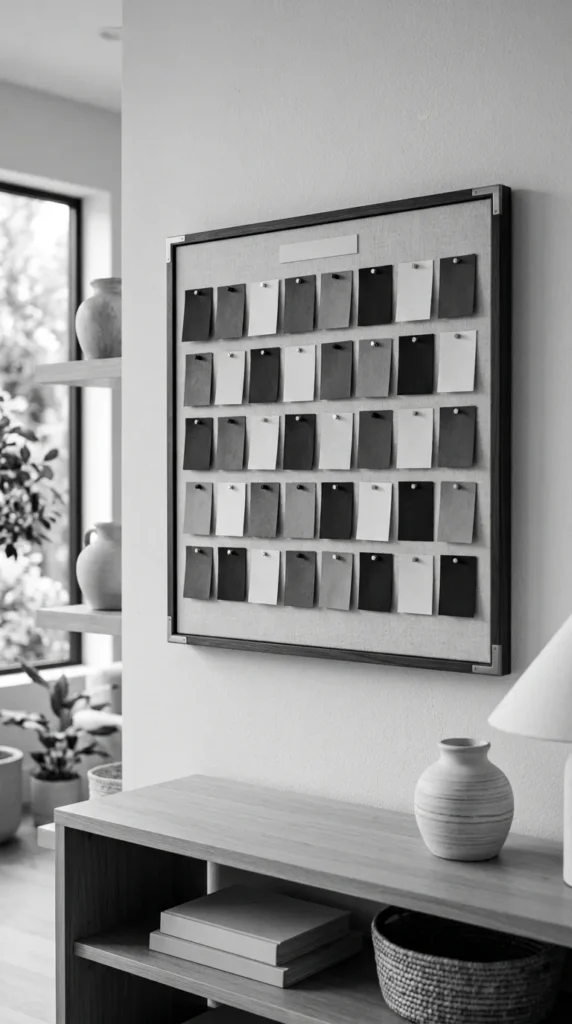
Use only black and white paper for a calm design.
Keep writing simple and clean.
Avoid decoration. Focus on clarity.
15. Travel Size Prayer Board

A travel board fits people on the move. Use a small clipboard or foldable board.
Keep notes compact.
Ideal for maintaining routine during travel.
16. Corner Wall Prayer Grid
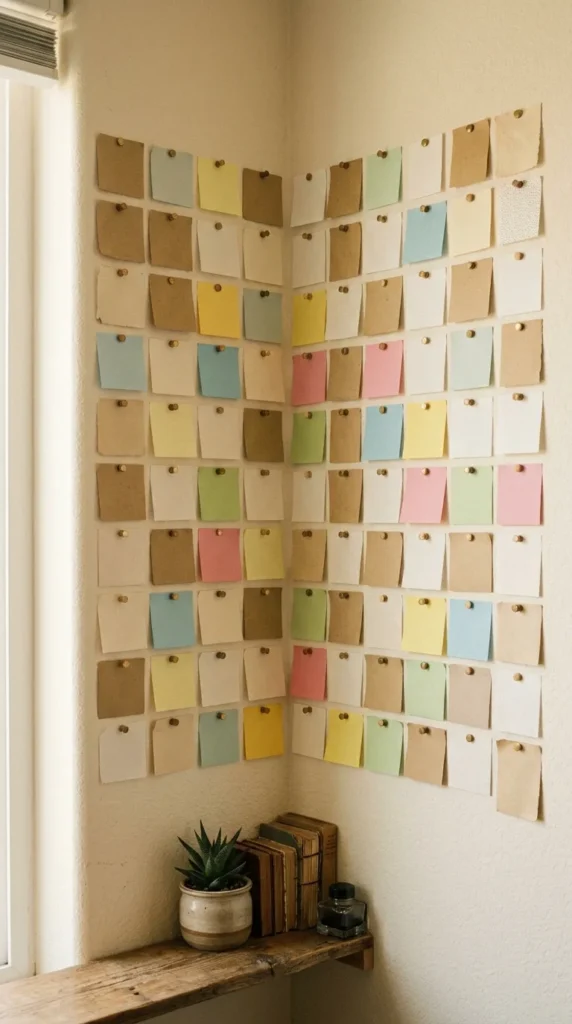
Use a wall corner to form a grid layout.
Place notes evenly.
Keep structure simple and balanced.
17. DIY Cardboard Prayer Board
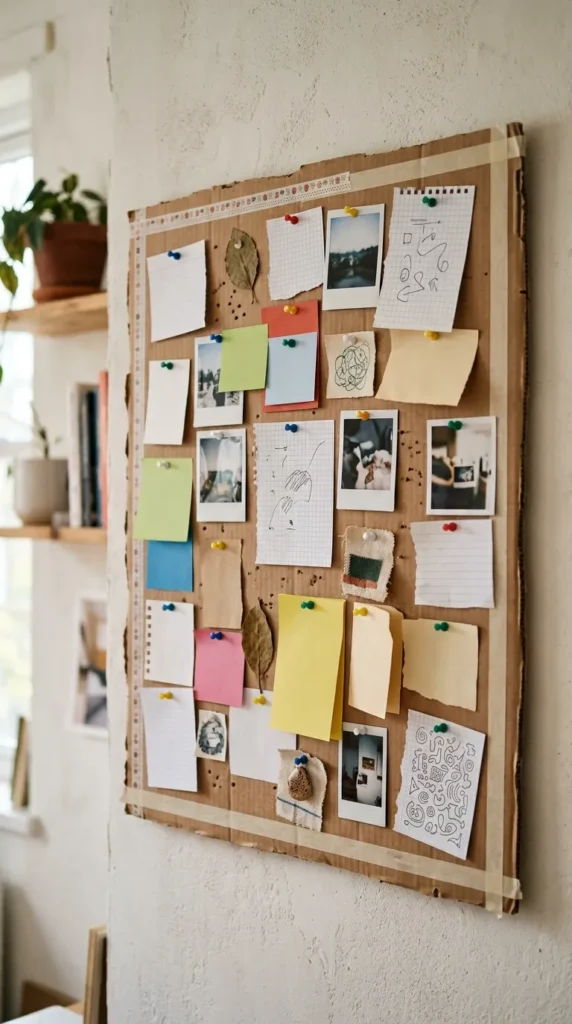
Recycle cardboard as a base.
Cover lightly with paper or cloth.
Pin notes directly.
18. Color Code Prayer Board
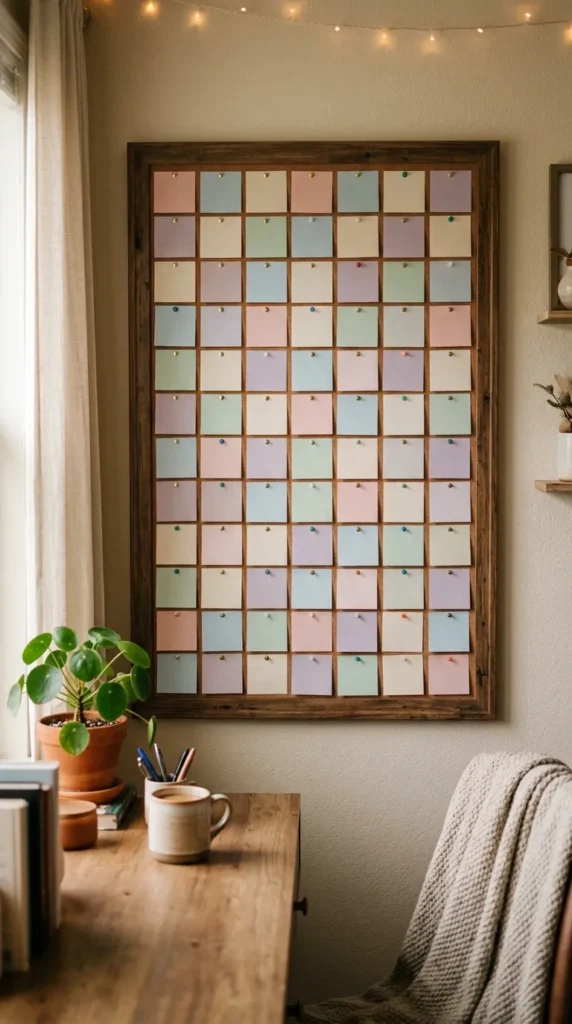
Use colors for categories.
One color per type of prayer.
Keep tones soft and simple.
19. Weekly Reflection Strip Board
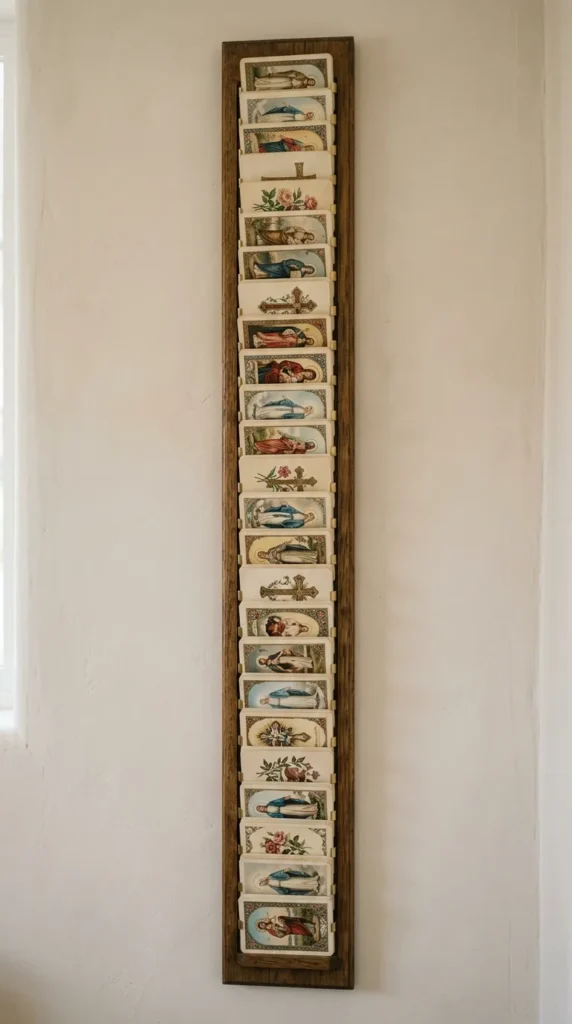
Arrange cards vertically.
Each strip represents one week.
Replace as needed.
20. Window Side Prayer Board
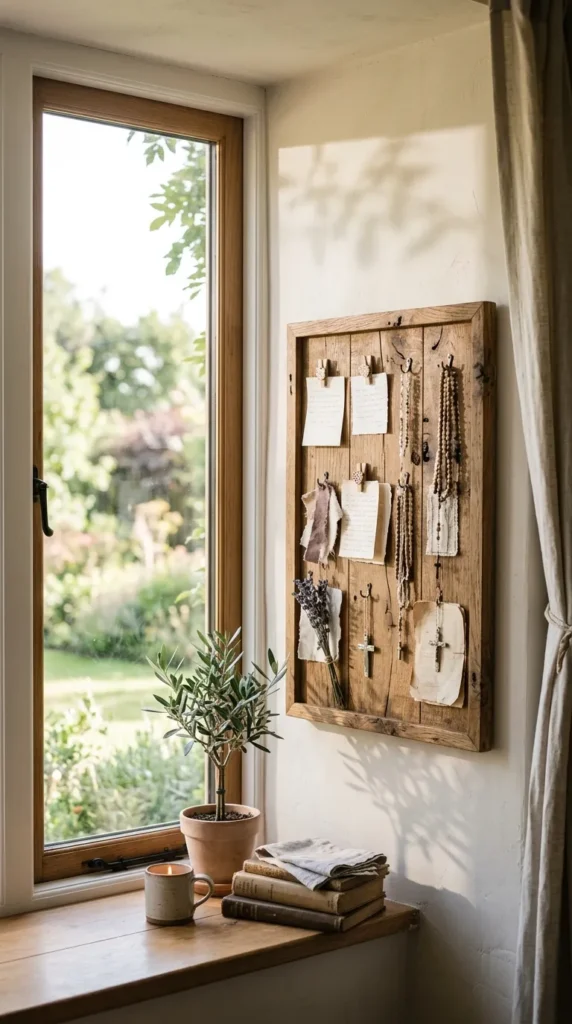
Place board near a window.
Natural light supports calm reflection.
Keep design light and open.
21. Cork Strip Minimal Board
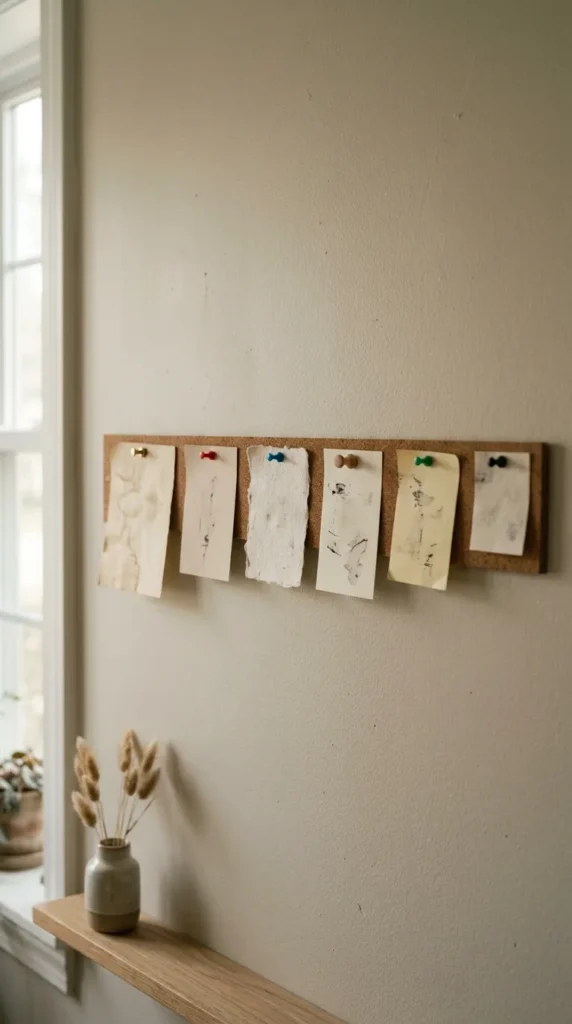
Use a narrow cork strip.
Pin only a few notes.
Keep it uncluttered.
22. Shelf Edge Prayer Board
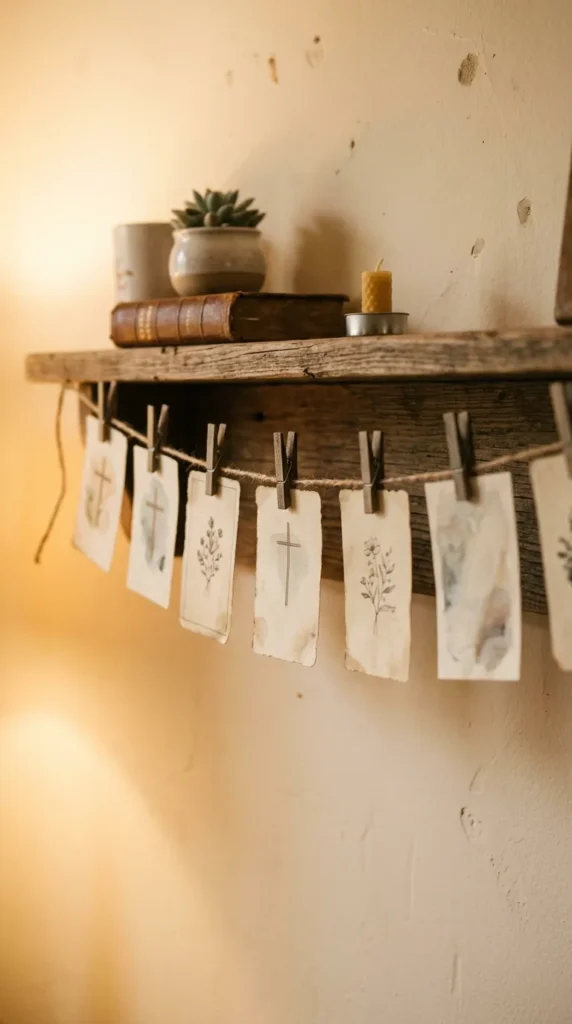
Attach notes to shelf edges.
Use clips or strings.
Keep arrangement light.
23. Bedside Prayer Reminder Board
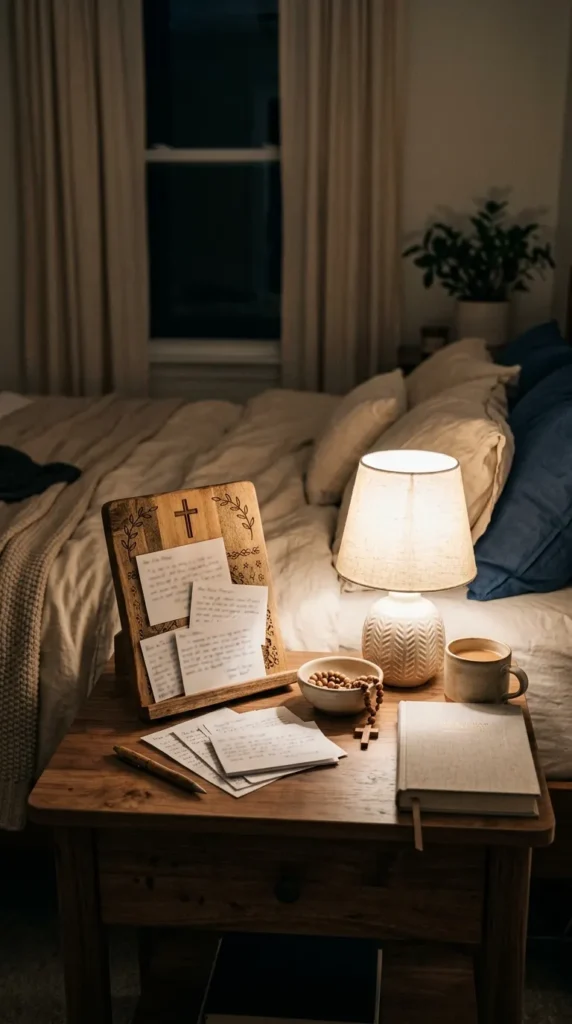
Place a small board near the bed.
Use it for morning and night reflections.
Keep it simple and consistent.
Conclusion
A prayer board helps create a steady space for reflection, gratitude, and daily faith habits. Each idea here fits simple materials and small budgets. Beginners can start with just paper and a wall corner, then build slowly over time. The goal stays the same across all setups: a visible place that supports daily reflection and quiet moments.