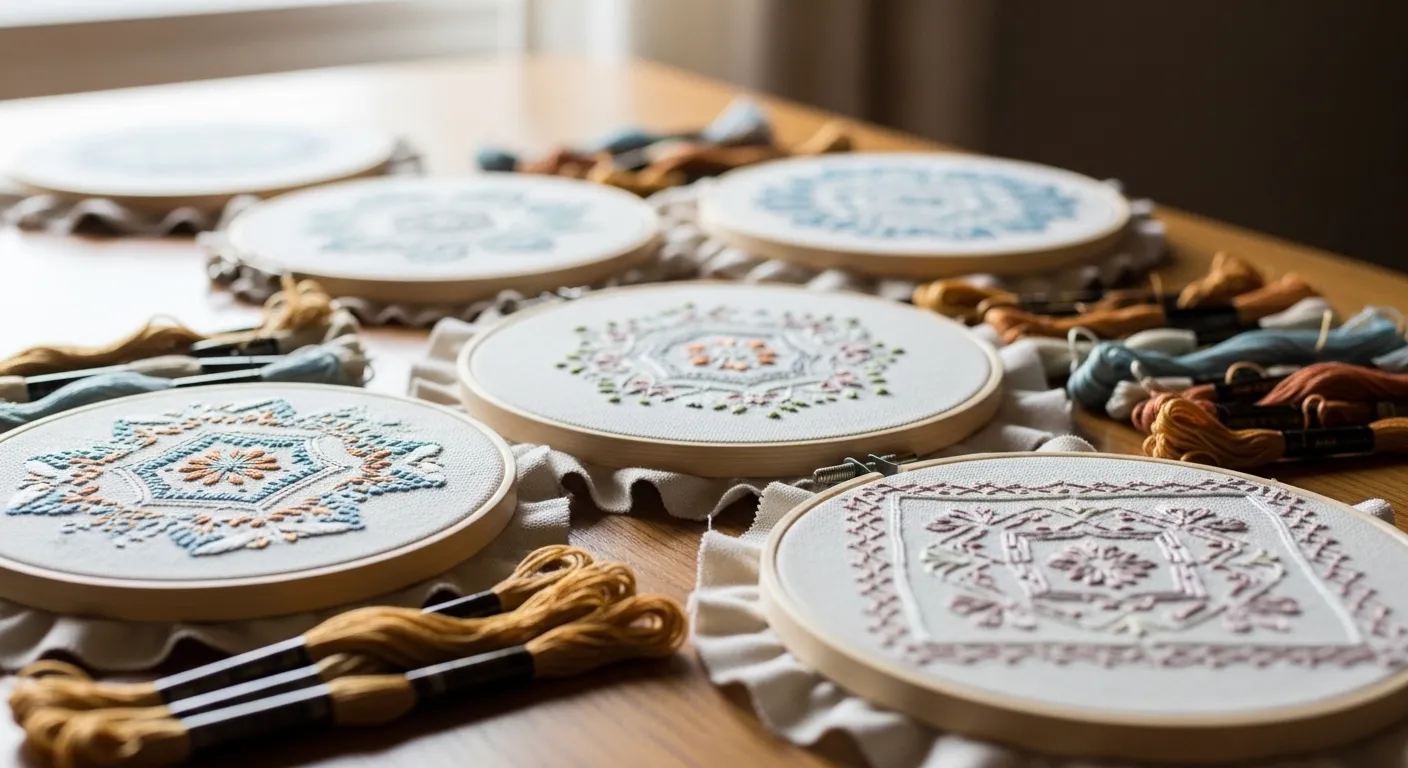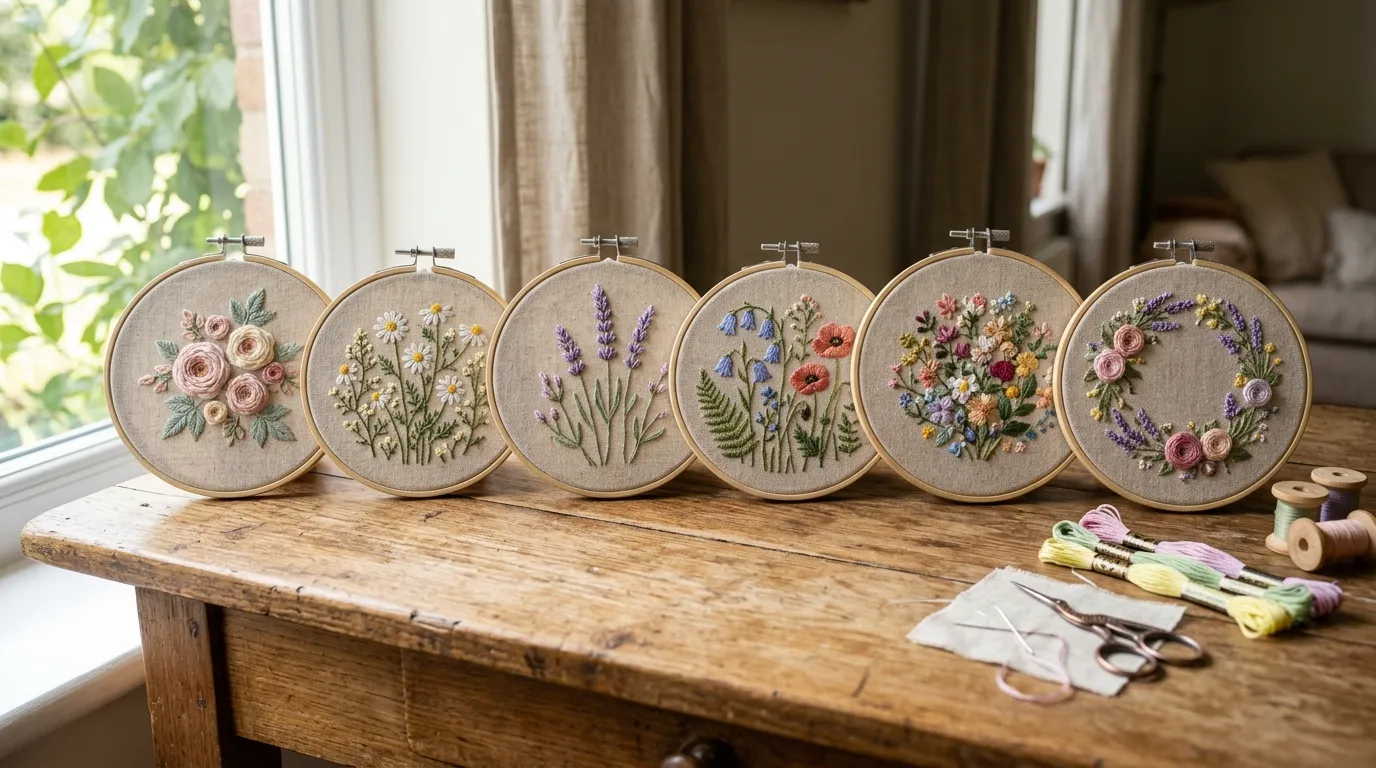


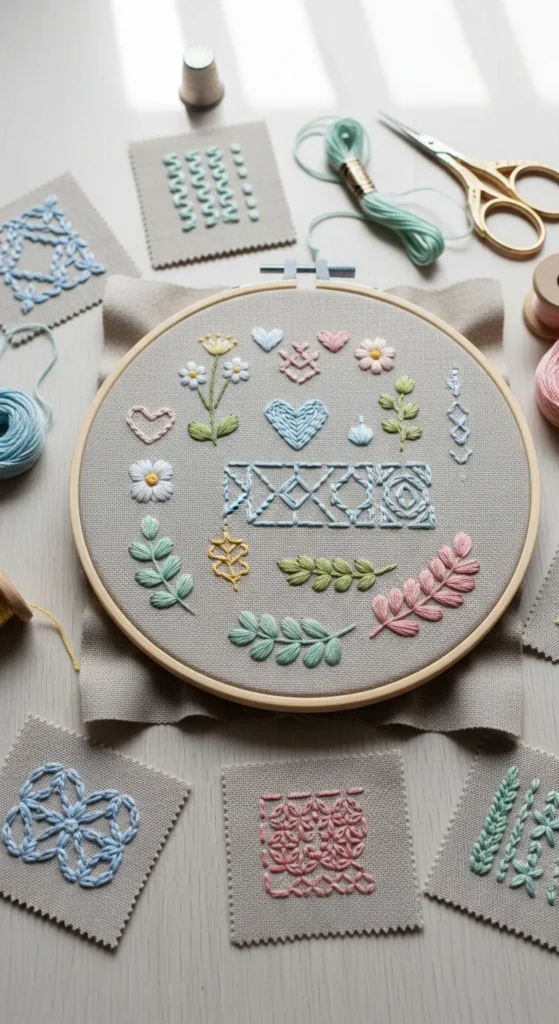
Hand embroidery is a calming craft that helps beginners build focus and hand control through simple stitching. It does not require expensive tools or complex setups. A small hoop, cotton fabric, a needle, and a few thread colors are enough to start. These 22 easy designs are made for practice, slow learning, and creative play. Each idea focuses on basic shapes so you can improve stitch consistency while making something visually pleasing at the same time.
1. Straight Line Stitch Practice
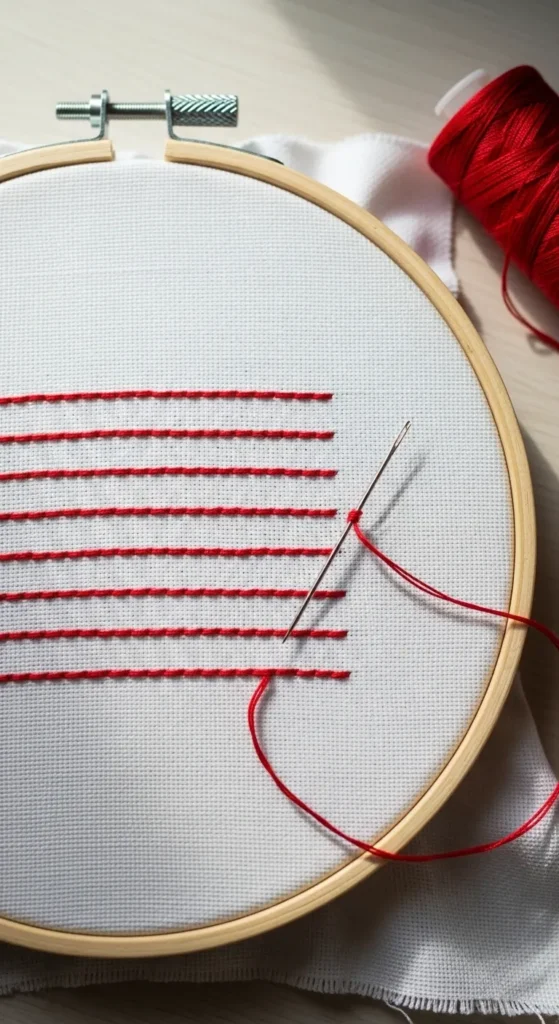
Straight line stitching is the first step in embroidery practice. It teaches control, spacing, and steady hand movement. Draw light guide lines on fabric and follow them with small, even stitches. Keep each stitch similar in length. Do not rush. Slow movement helps accuracy. This design is very low cost since only one thread color is needed. You can use leftover fabric for practice. Try horizontal, vertical, and diagonal lines to build comfort. Once steady, this pattern becomes the base for many other designs.
2. Daisy Flower Outline
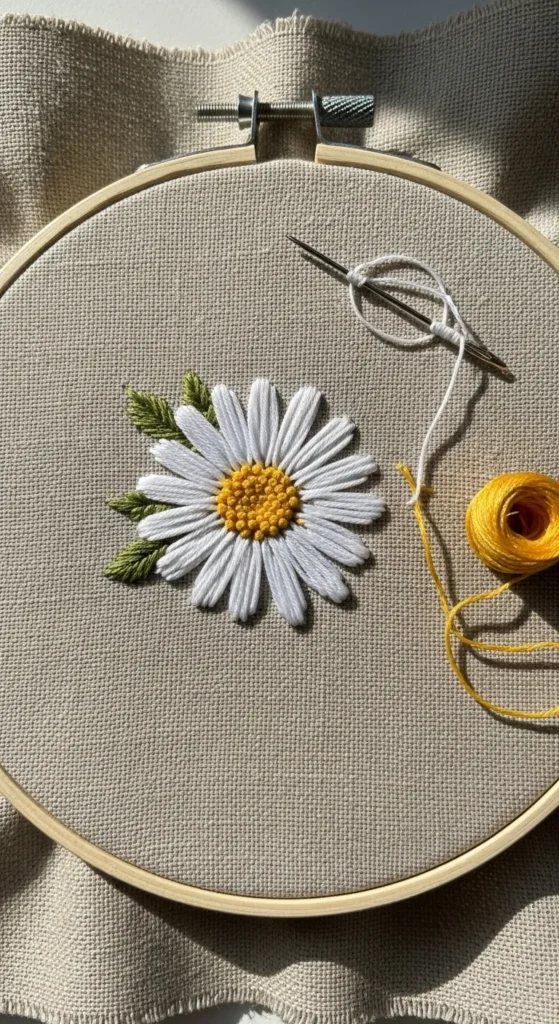
The daisy design is a simple flower made with oval petals around a center circle. Start by sketching a small circle, then add petals evenly around it. Use white thread for petals and yellow for the center. Stitch slowly along outlines to keep shape clean. It is perfect for decorating small items like pouches or cloth patches. This design helps beginners learn curved stitching without difficulty. You can repeat daisies in rows for extra practice. It is simple, low-cost, and very forgiving for new learners.
3. Tiny Heart Pattern
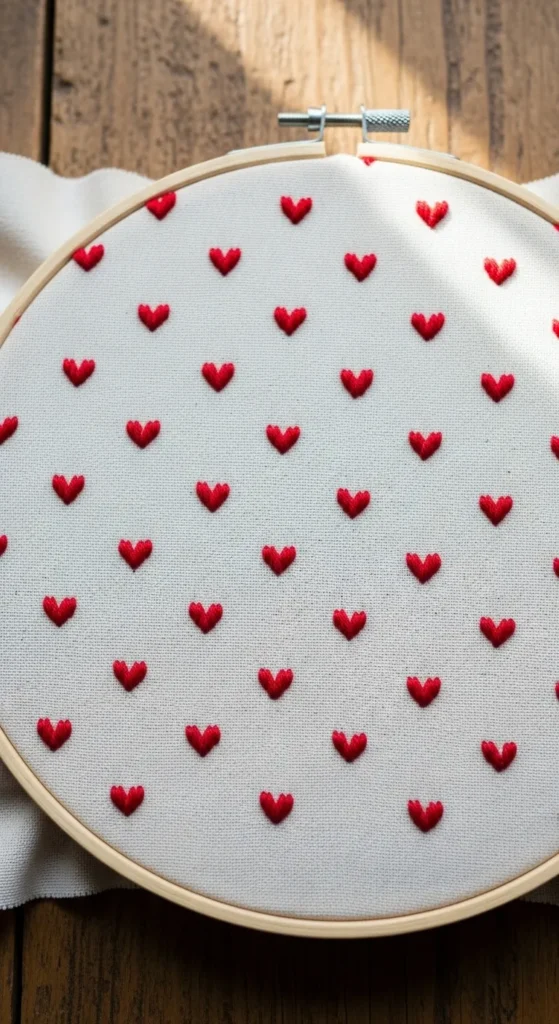
Tiny hearts are easy and fun to stitch. Draw small heart shapes lightly on fabric and follow the outline with short stitches. Red or pink thread works well. Keep shapes slightly imperfect for a natural look. Space hearts evenly or cluster them together for different effects. This design improves control over curves and spacing. It is also budget-friendly since only one thread color is needed. You can decorate handkerchiefs, tote corners, or small fabric pieces with this pattern.
4. Leaf Chain Pattern
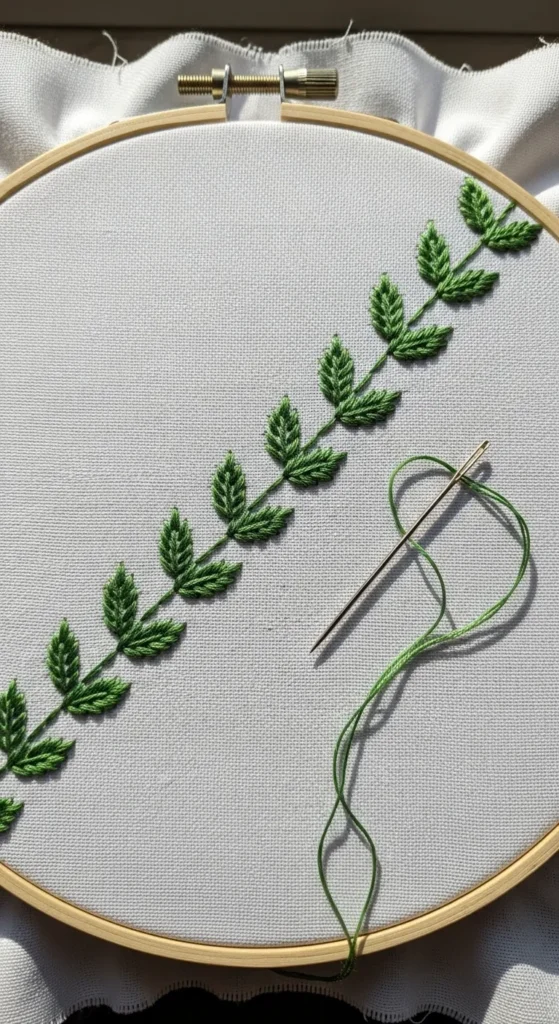
Leaf chains are flowing patterns made of repeating leaf shapes along a curved line. Draw a soft curve first, then add small leaves along it. Use green thread for a natural feel. Stitch each leaf with a simple outline. Keep spacing even or vary it slightly for practice. This pattern is useful for borders on fabric edges or sleeves. It is very low-cost and only needs basic materials. Practicing this design helps improve rhythm and smooth stitching flow.
5. Circle Dot Stitch Pattern
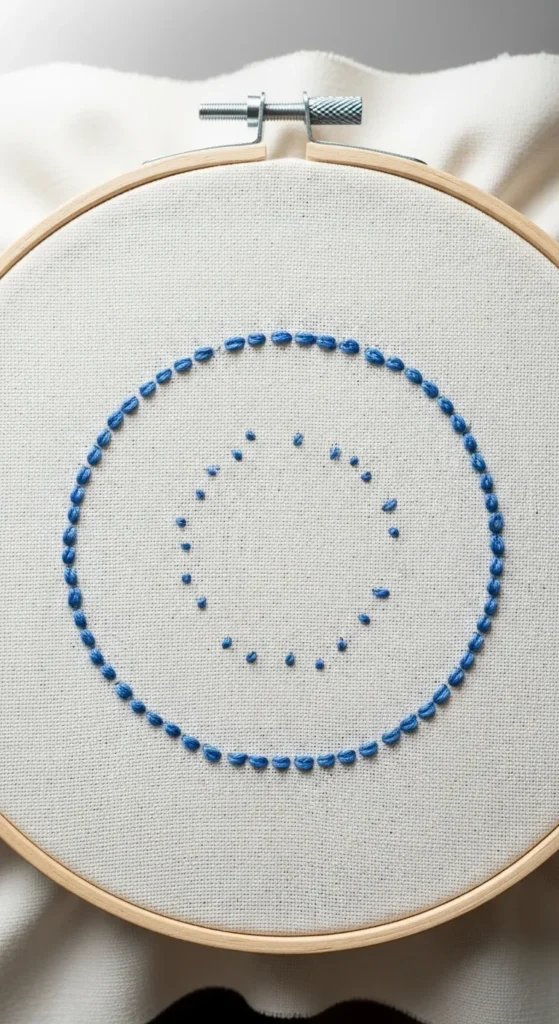
Circle dots are simple shapes that help improve spacing control. Mark small dots on fabric and stitch tiny circles over them. Keep each circle similar in size. Use blue or black thread for clear visibility. Arrange dots in rows or scattered patterns. This exercise improves precision and consistency. It is also affordable since it uses minimal thread. Fabric scraps work perfectly for practice. Over time, this pattern builds better control for more complex designs.
6. Wavy Line Stitch Practice
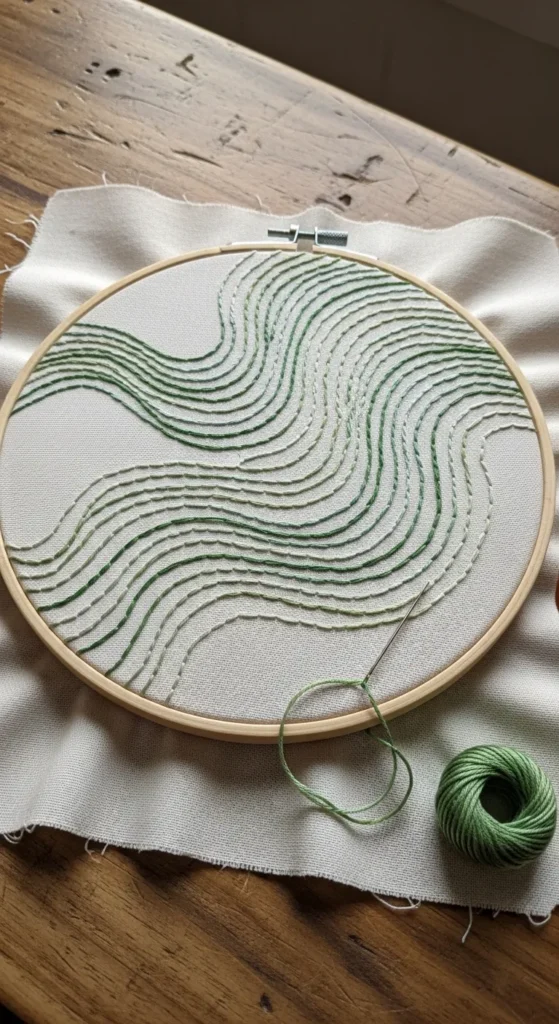
Wavy lines help train smooth hand movement. Draw gentle waves across fabric and follow them with small stitches. Avoid sharp turns. Keep motion soft and steady. Green thread works well for this calming pattern. This design is often used for backgrounds or decorative borders. It costs very little and only requires basic tools. Practice different wave sizes to improve control. Small waves improve precision while larger waves help with flow.
7. Sun Outline Design
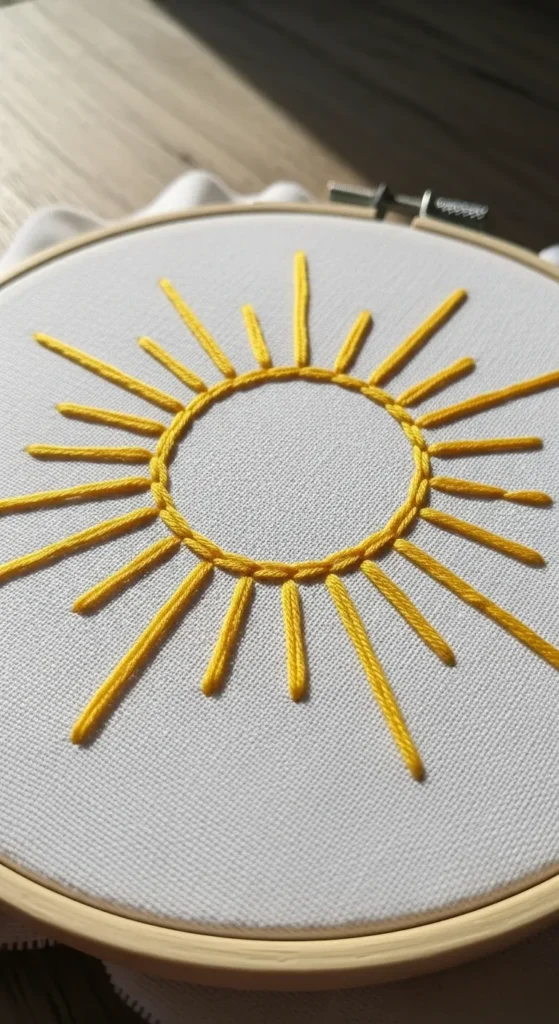
The sun design uses a simple circle with straight rays. Draw a circle first, then add straight lines around it. Stitch carefully using yellow thread. Keep rays evenly spaced. This pattern is great for practicing straight stitches. It can be used on small fabric items like patches or bags. It is very affordable and beginner-friendly. Try changing ray lengths for variation. This helps build confidence in straight line control.
8. Minimal Star Pattern
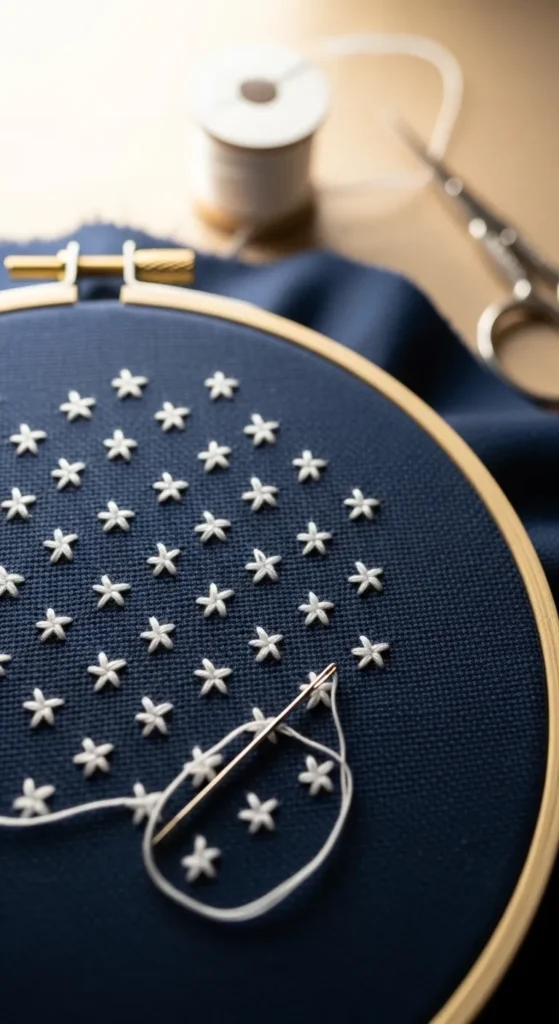
Star patterns are made using intersecting straight lines. Draw a simple star shape and stitch along it. White thread works well on darker fabric. Keep stitch lengths short for neat edges. Stars can be arranged randomly or in groups. This design helps with angle control and placement practice. It is low-cost and easy to repeat. You can vary star sizes to improve skill gradually.
9. Tulip Bud Design
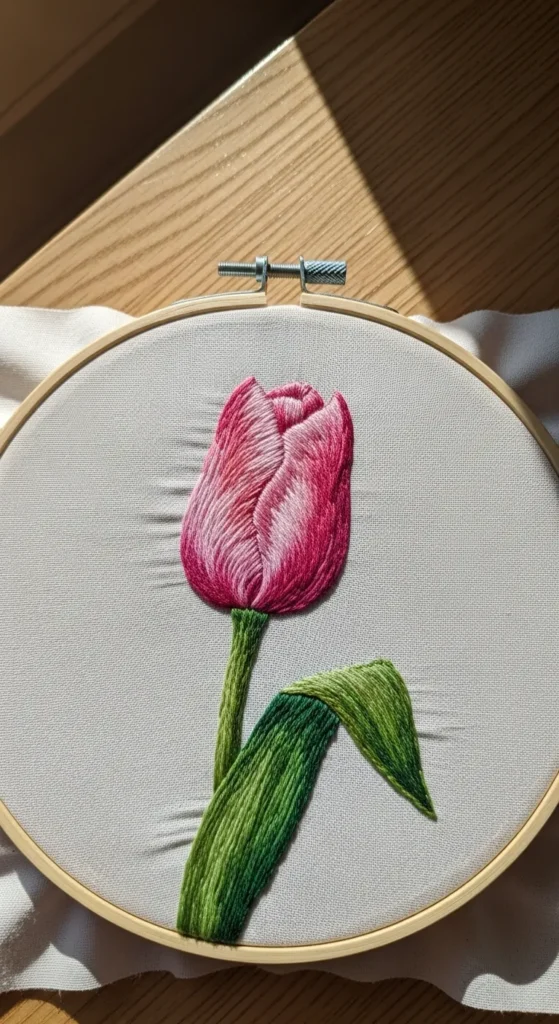
Tulip buds combine curved petals with a simple stem. Draw a teardrop shape for the bud and a straight line for the stem. Use pink thread for petals and green for stem. Stitch slowly around curves for smooth edges. This design is beginner-friendly and works well for small decorations. It is affordable and only uses basic thread colors. Practice helps improve curve control.
10. Simple Vine Pattern
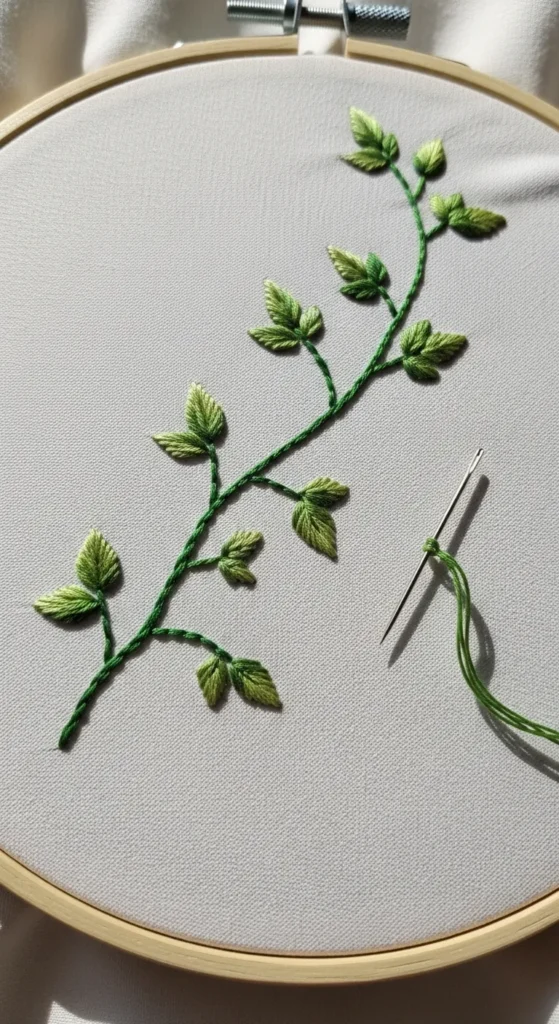
Vine patterns are flowing lines with small leaves attached. Draw a curved line and add leaf shapes along it. Stitch using green thread. Keep movement smooth and steady. This design is commonly used for borders. It is easy and low-cost. Practicing vines improves hand flow and curve consistency. It works well on clothing edges or fabric frames.
11. Cloud Outline Design
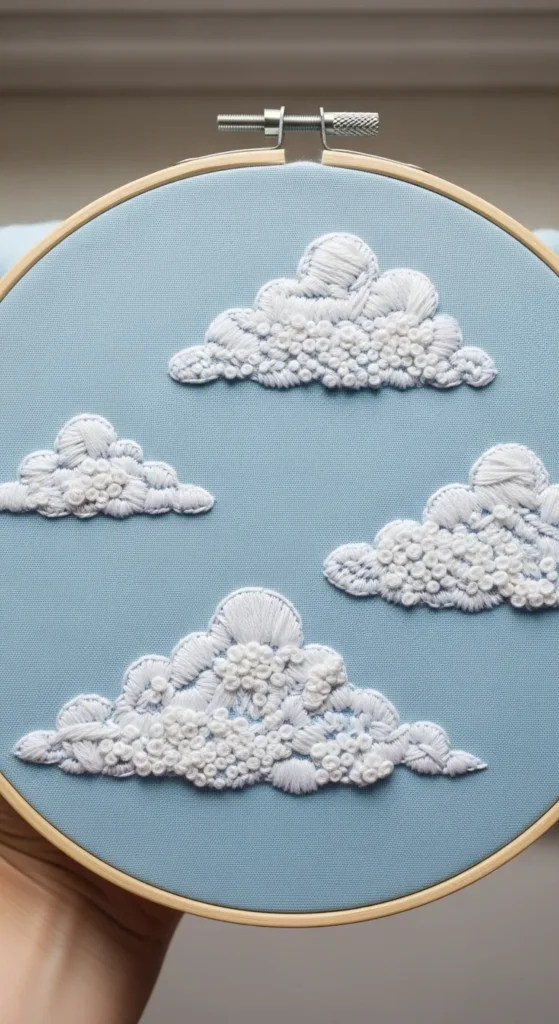
Cloud outlines are soft curved shapes stitched in white thread. Draw rounded shapes and follow them with gentle stitches. Keep edges smooth and uneven for a natural look. This pattern is relaxing and simple. It helps beginners practice curved stitching. It is also very budget-friendly. You can repeat clouds across fabric for a light decorative effect.
12. Butterfly Shape
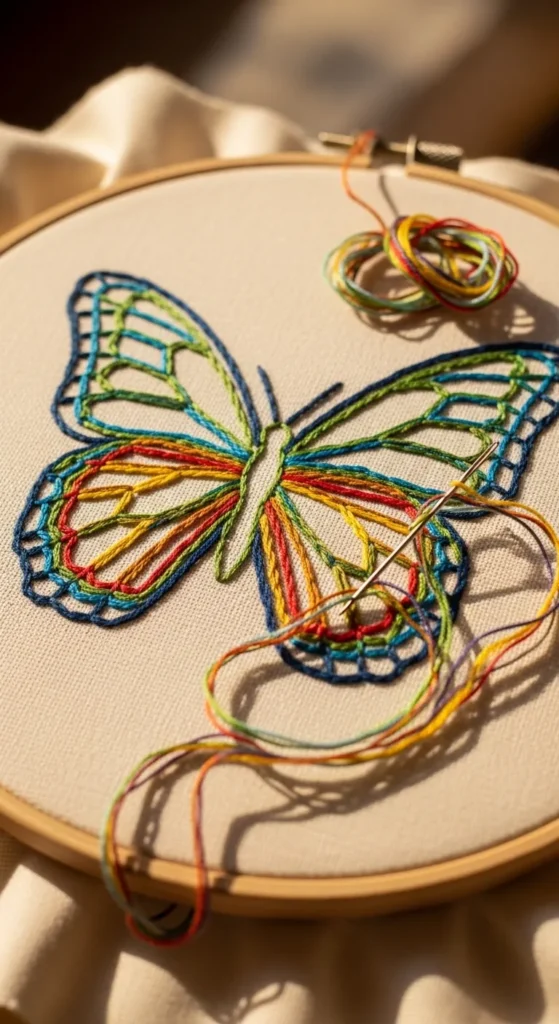
Butterflies use simple symmetry with two wings on each side. Draw a basic outline and stitch carefully along edges. Use two thread colors if available. Keep stitches small and even. This design improves shape control. It can be used on clothing or fabric patches. It is beginner-friendly and easy to customize.
13. Letter Initial Stitch
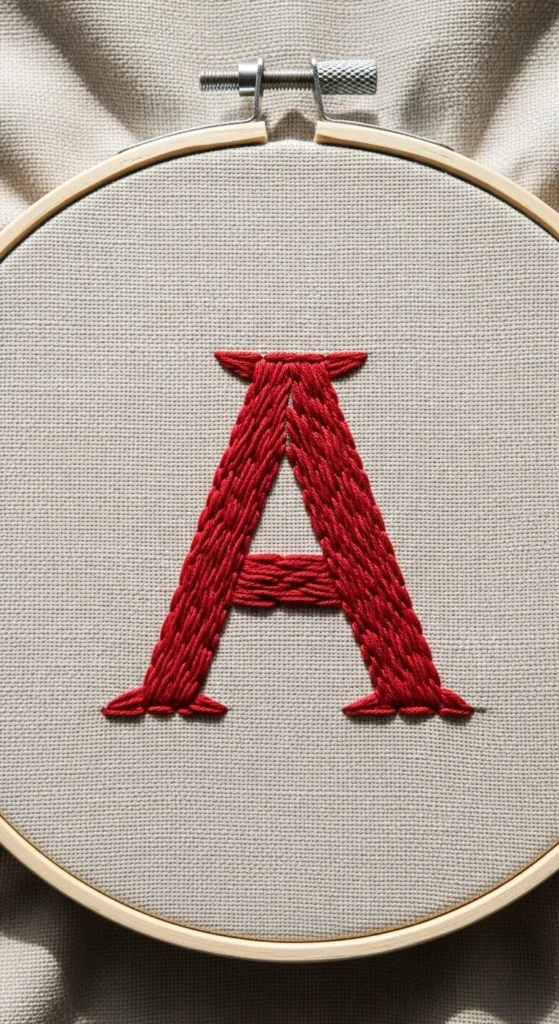
Letter initials are simple and personal. Draw one alphabet letter and stitch along its outline. Use straight or back stitches. Red or black thread works well. This design helps with line control and customization. It is low-cost and useful for gifts or labels. Keep strokes clean and steady.
14. Geometric Square Pattern
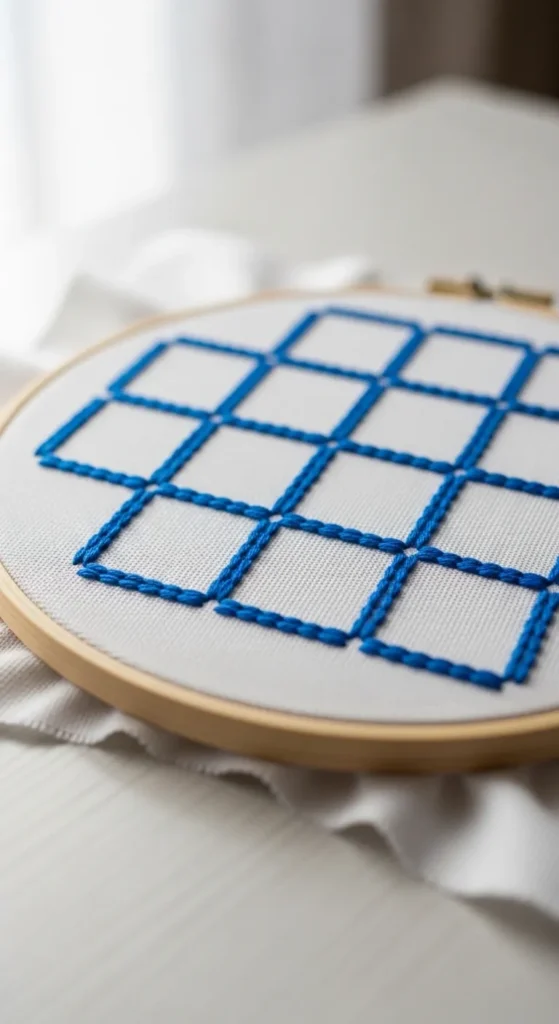
Geometric squares are simple shapes repeated in rows. Draw squares evenly spaced and stitch along edges. This helps improve straight line control. Use blue thread for clear visibility. It is useful for practicing consistency. Fabric scraps are enough for this design. It is very beginner-friendly.
15. Berry Cluster Design
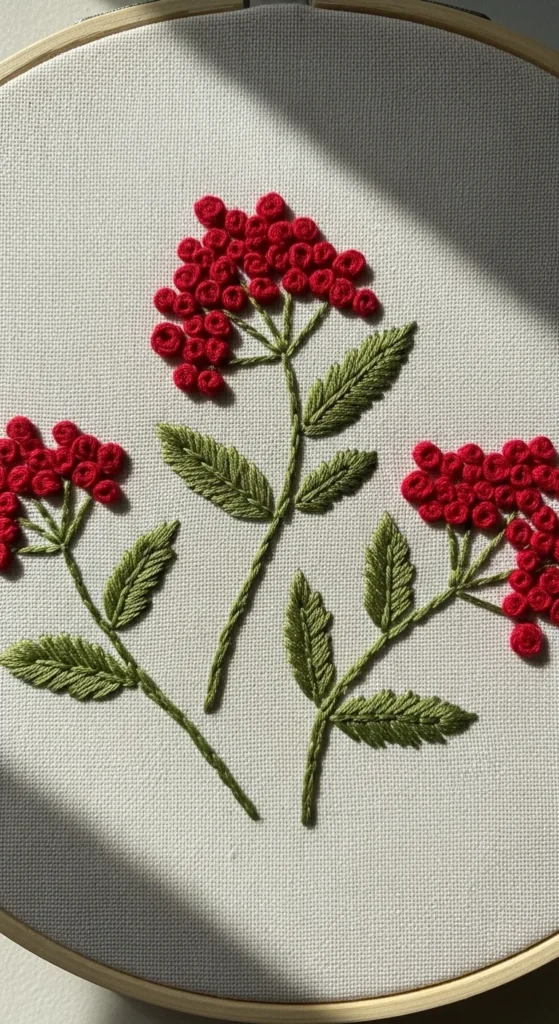
Berry clusters are made using small round stitches grouped together. Add tiny green stems for detail. Use red thread for berries. Keep clusters small and simple. This design improves placement and grouping control. It is affordable and easy to repeat.
16. Simple Rose Outline
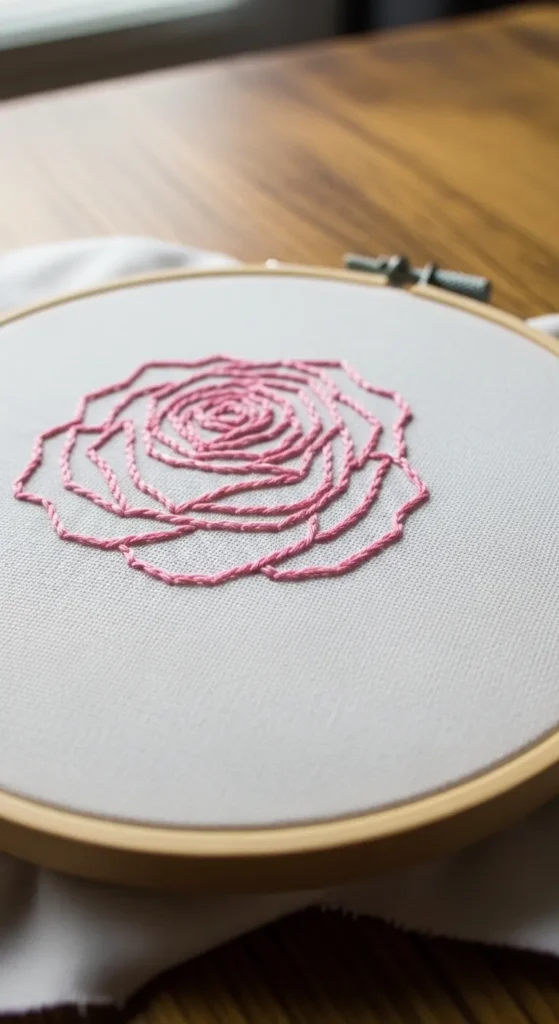
A rose outline uses curved spiral lines. Draw a small swirl and stitch along it. Use pink thread. Keep stitches soft and rounded. This design helps practice curved flow. It is simple and budget-friendly. Works well for decorative fabric pieces.
17. Zigzag Line Practice
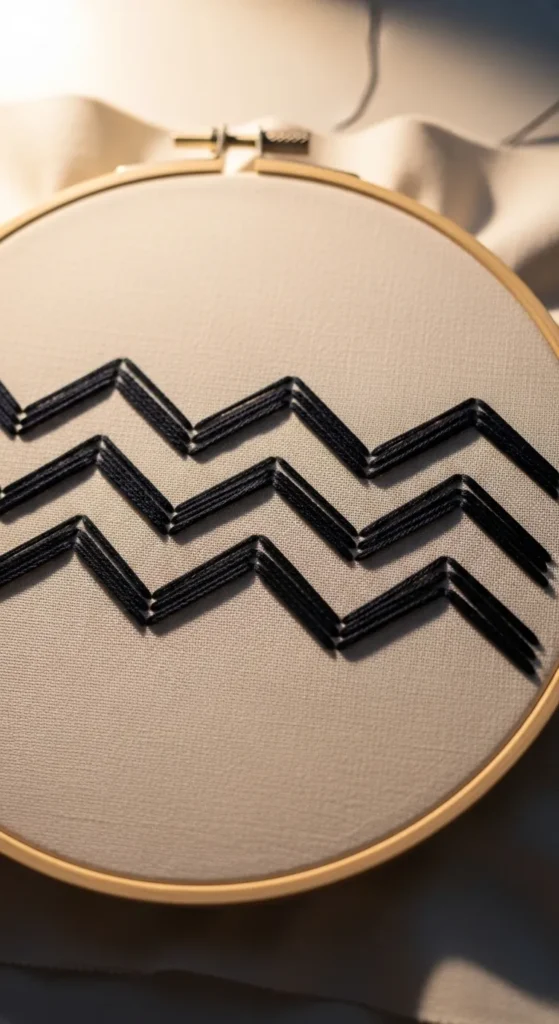
Zigzag lines are sharp and repetitive patterns. Draw angled lines and stitch carefully along them. Keep angles even. This design improves hand control and precision. It is low-cost and uses minimal materials. Practice helps improve sharp movement control.
18. Heart Vine Combination
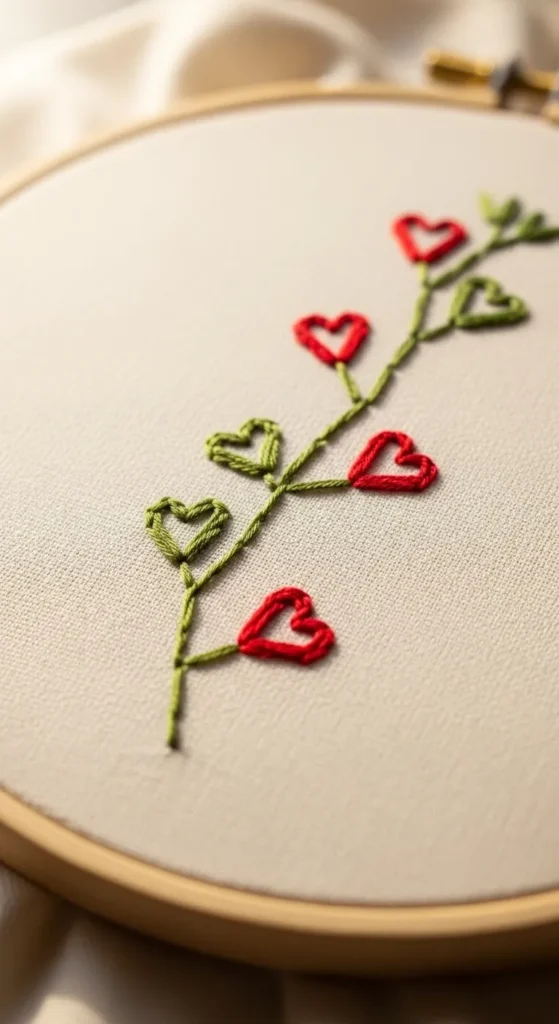
This design combines vines and hearts. Draw a curved vine and add small hearts along it. Use green for vine and red for hearts. Stitch slowly for clean shapes. It is decorative and beginner-friendly. Helps practice mixing patterns.
19. Small Tree Silhouette
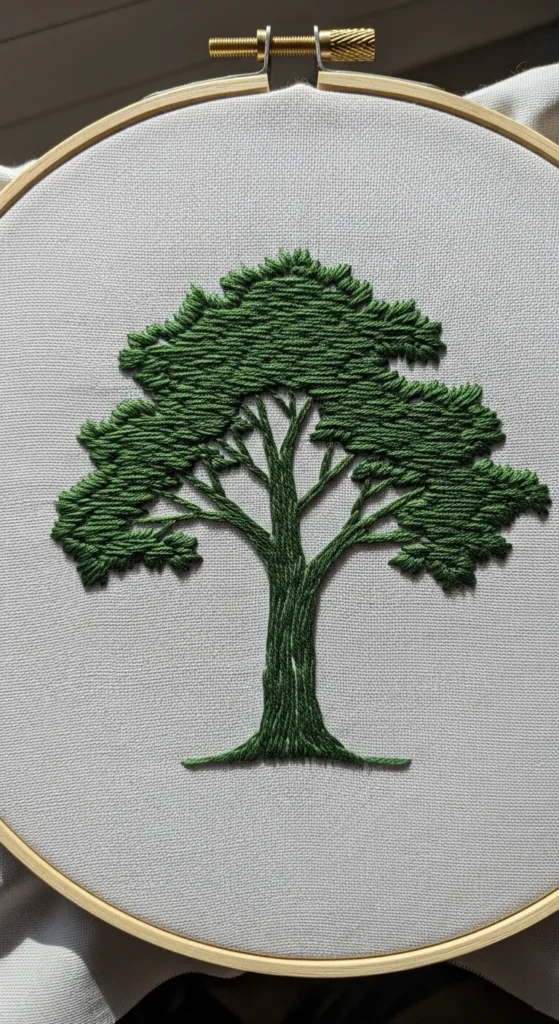
A tree silhouette uses a trunk and branching lines. Draw a simple tree shape and stitch outline. Keep branches minimal. This design helps practice structure control. It is easy and low-cost. Works well for nature-themed fabric pieces.
20. Feather Stitch Line
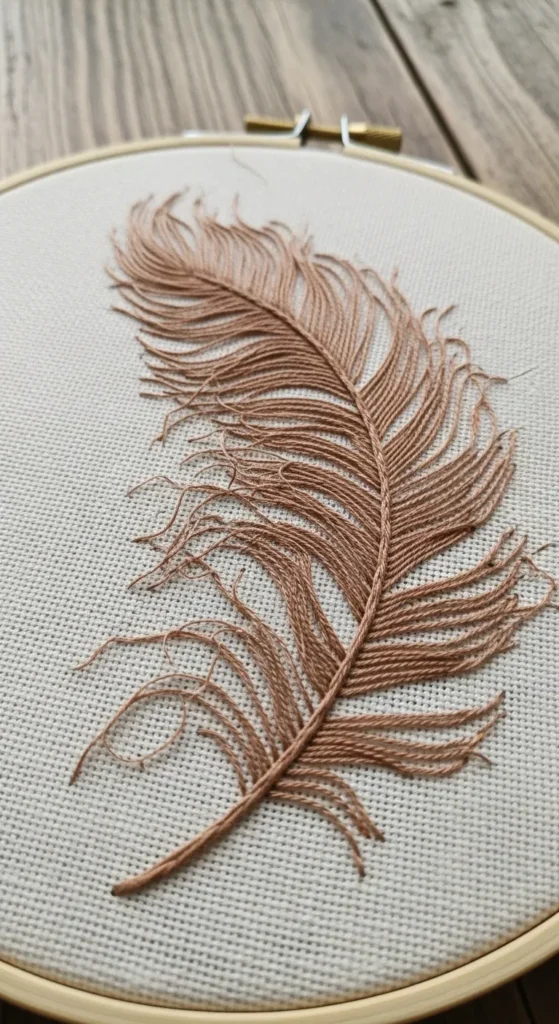
Feather stitch is made using diagonal loops along a central line. Stitch slowly to form soft feather shapes. This design improves rhythm and flow. It is simple and affordable. Works well for borders and decorative strips.
21. Flower Pot Design
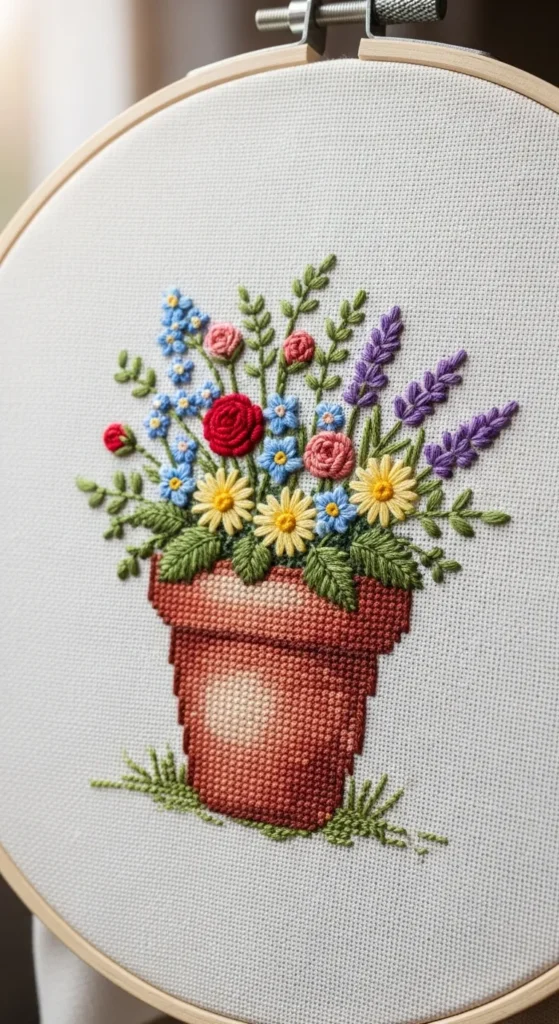
A flower pot design includes a simple pot shape with small flowers above it. Use different thread colors. Keep shapes simple and balanced. This design helps practice multiple elements together. It is beginner-friendly and decorative.
22. Mini Pattern Sampler
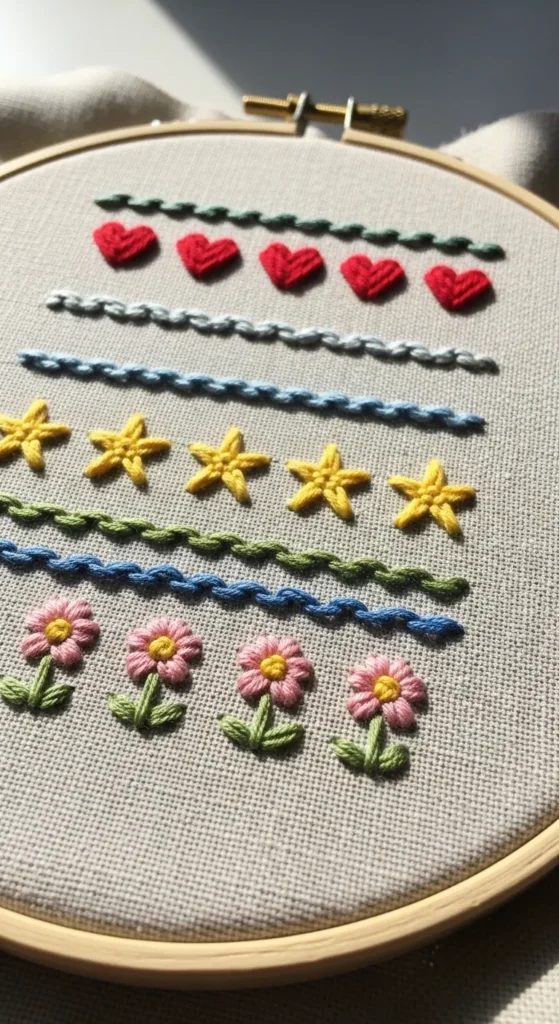
A sampler combines many small designs in one fabric piece. Include hearts, lines, stars, and leaves. Use leftover threads for variety. This helps review all basic stitches in one place. It is affordable and perfect for practice tracking.
Conclusion
These 22 hand embroidery designs give a simple path for beginners to build confidence step by step. Each pattern focuses on basic shapes that improve control, spacing, and smooth stitching. With just a few tools and low-cost materials, anyone can start practicing at home. Over time, these small exercises build strong skills for more detailed embroidery work and creative projects.